

Morocco's olive oil has made a surprising entrance into Spain, the world's largest producer, with imports surging nearly 10,000% in early 2026. This dramatic increase has raised questions about the shifting dynamics of the global olive oil market and the factors driving Morocco's newfound competitiveness.
Spain has long dominated global olive oil production, typically accounting for around 40% of the world's supply. However, between January and April 2026, Spain imported 10,384.7 tonnes of Moroccan olive oil, compared to just 103 tonnes in the same period a year earlier. The value of these imports jumped from €340,000 to €32.76 million, marking a significant shift in trade patterns.
Find Original Home Decor sparking conversation at Grand Goldman Shop.

Why Morocco's Olive Oil Exports to Spain Skyrocketed
The surge in Moroccan olive oil exports to Spain is not a coincidence. After several years of drought that severely affected olive yields, Morocco has invested heavily in modernizing its olive groves and improving irrigation techniques. These efforts have paid off, leading to a bumper harvest and increased export capacity.
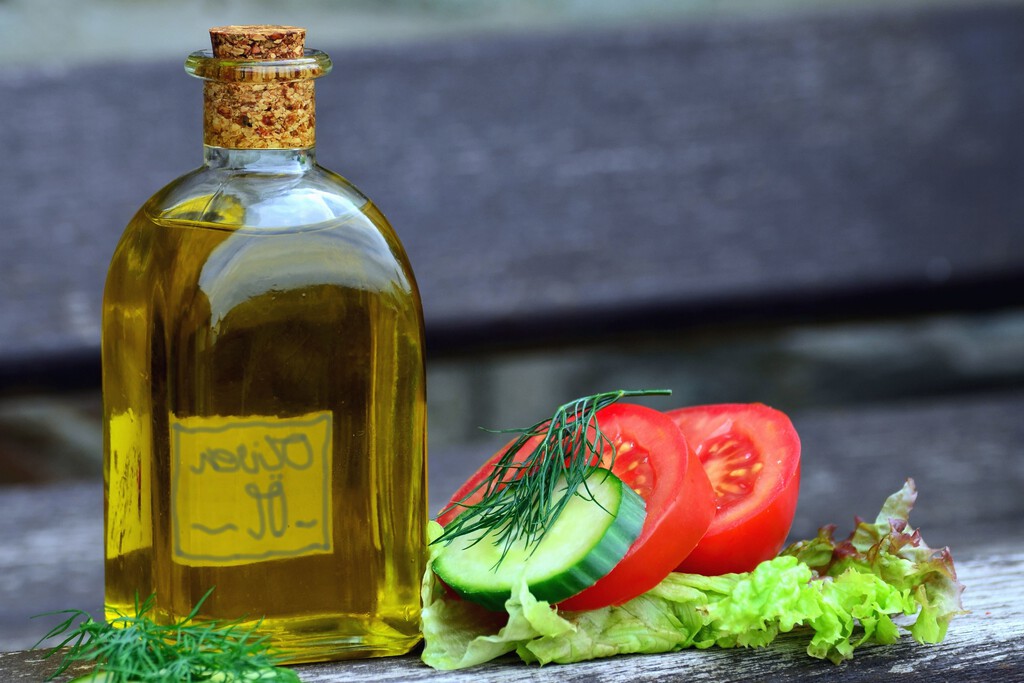
Additionally, Spain's own olive oil production has faced challenges, including drought and rising production costs, which have made imported oil more attractive to Spanish buyers. The price competitiveness of Moroccan olive oil has also played a role, as it offers a cost-effective alternative for Spanish producers and retailers.
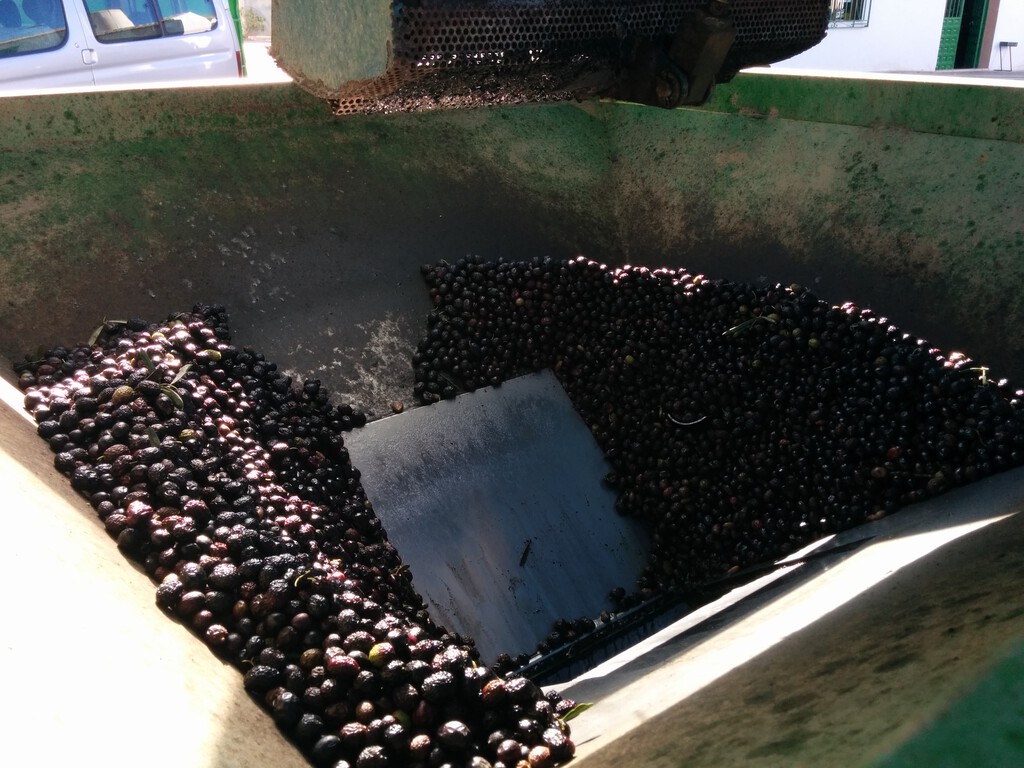
The Impact on Spain's Olive Oil Market
The influx of Moroccan olive oil has disrupted Spain's domestic market. In just one year, Morocco climbed from the tenth to the fourth largest supplier of olive oil to Spain, trailing only Tunisia, Portugal, and Italy. This shift has raised concerns among Spanish producers about the long-term implications for their industry.
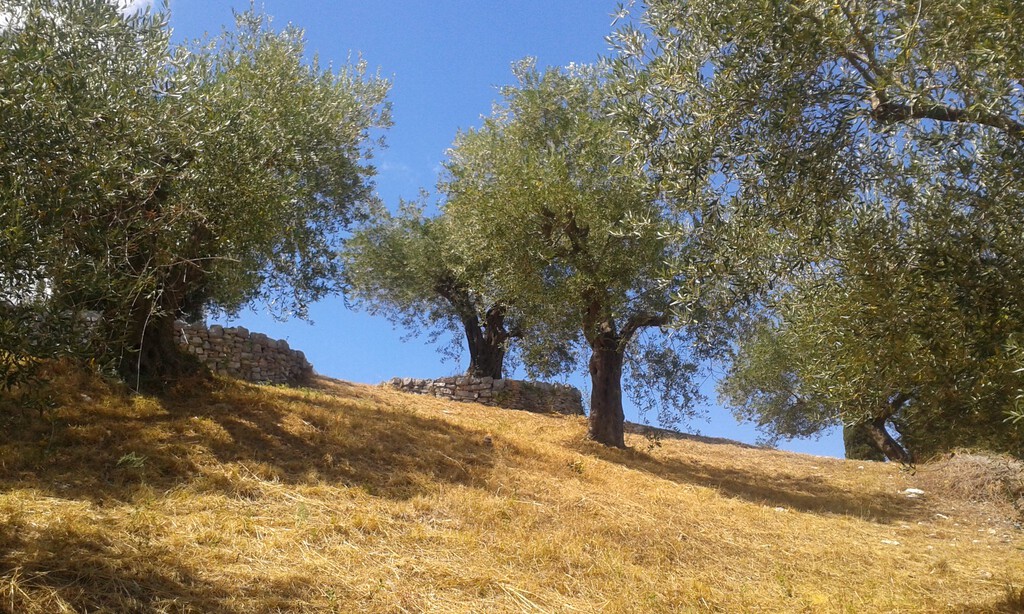
While Spain remains the world's largest olive oil producer, the growing presence of Moroccan oil could pressure prices and challenge the dominance of Spanish brands. It also highlights the increasing globalization of the olive oil trade, where quality and price competitiveness are key. The background to this story is set out in Spain's Tariff Loophole: 76% of Tunisian Olive Oil Enters Duty-Free. A related thread runs through Spain May Trigger Olive Oil Withdrawal to Stop Price Collapse. Earlier coverage in Melitzanosalata: Smoky Greek Eggplant Dip with Olive Oil 61 shows how the argument developed.
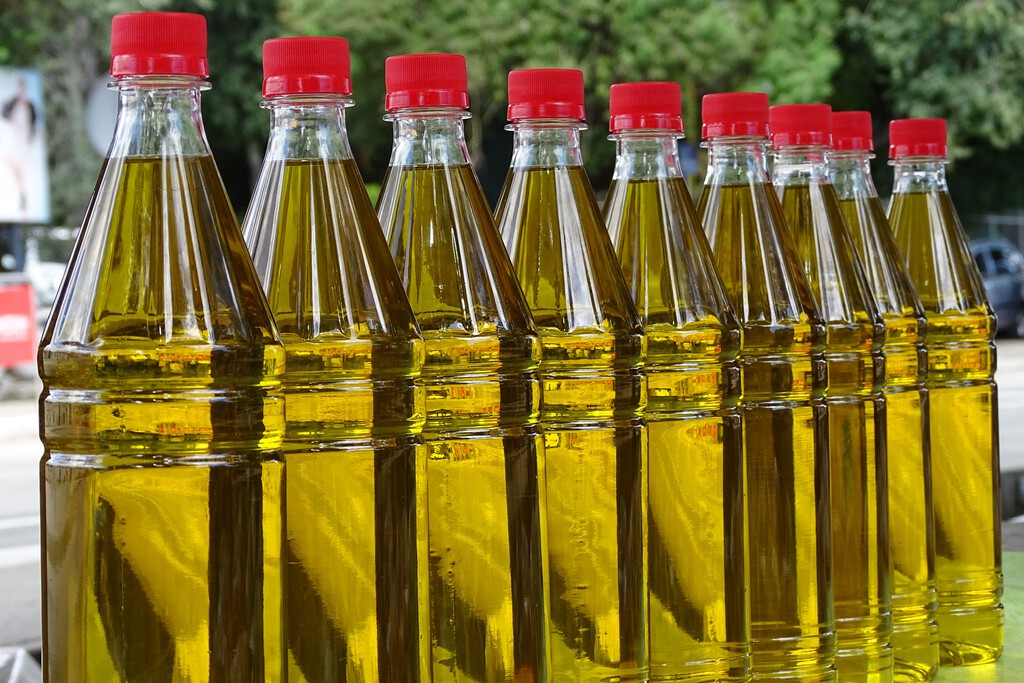
What This Means for the Global Olive Oil Market
Morocco's success in penetrating the Spanish market signals a broader trend of emerging producers gaining ground in the global olive oil industry. As climate change continues to affect traditional production regions, countries like Morocco are stepping up with improved agricultural practices and strategic investments. A closer look at the same subject appears in Olive Oil Prices Rise Again as European Crops Suffer Heat. Anyone following the wider picture can start with Spain and Portugal Olive Mills Face 27% Closure Crisis. The same theme surfaces in Microsnobbery in Food Trends: Why Olive Oil Status Matters, which takes a different angle.
This shift could lead to a more diversified supply chain, reducing reliance on a single dominant producer. For consumers, it may mean more choices and potentially lower prices, but for Spanish producers, it represents a new competitive threat. Context on how this played out before sits in Microsnobbery Trends: Why Your Olive Oil Story Matters. A companion piece, Olive Oil Price Rise Expected as Europe Crops Suffer Heat, approaches the same subject from another angle.
- Morocco's olive oil exports to Spain increased from 103 tonnes to 10,384.7 tonnes in early 2026.
- The value of imports jumped from €340,000 to €32.76 million.
- Morocco rose from the 10th to the 4th largest olive oil supplier to Spain.
- Improved irrigation and modern farming techniques boosted Morocco's production.
- Spain's own production challenges made imported oil more attractive.
Comparing Olive Oil Production: Spain vs. Morocco
| Metric | Spain | Morocco |
|---|---|---|
| Global production share | ~40% | ~5% |
| 2026 exports to Spain (Jan-Apr) | N/A (domestic) | 10,384.7 tonnes |
| Year-over-year export growth | N/A | ~10,000% |
| Main challenges | Drought, rising costs | Historical drought, now improving |
FAQ
Why did Morocco's olive oil exports to Spain increase so dramatically?
Morocco invested in modernizing its olive groves and irrigation after years of drought, leading to a surge in production. At the same time, Spain's own production faced challenges, making imported oil more attractive.
How does this affect Spanish olive oil producers?
Spanish producers face increased competition from cheaper Moroccan oil, which could pressure prices and market share. However, Spain remains the dominant global producer.
Is Moroccan olive oil quality comparable to Spanish olive oil?
Moroccan olive oil has improved significantly in quality due to modern extraction methods and better farming practices. It is increasingly recognized in international markets.
What does this mean for consumers?
Consumers may benefit from more choices and potentially lower prices as competition increases. However, they should check labels for origin and quality certifications.
The rise of Moroccan olive oil in Spain is a clear signal that the global olive oil market is evolving. While Spain's dominance is not immediately threatened, the success of Morocco highlights the importance of adaptation and innovation in agriculture.
For Spanish producers, the challenge is to maintain quality and competitiveness while navigating climate and market pressures. For Morocco, the opportunity is to build on this momentum and establish itself as a reliable supplier in the global market.
Browse the Shop
 Acacia frida deluxe solid wood bed frame |
Bedroom bench |
Bed chest drawers |
Lingerie dresser |
Frame base |
Mirror with jewelry storage |
30 Bathroom Vanity |
Memory foam queen mattress |
Mattresses for back pain |
Nightstand set of 2 |
Grand Goldman Shop |
Civil Lawyer
Deutschland Trikot WM 2026







