

You send a message, then a small notice appears and the conversation suddenly feels confusing. Understanding what a recall notice really means starts with knowing how chat apps label their alerts, much like decoding why a text says sent from web when you never opened a browser.
Most of these labels are simple shorthand that people misread every day. The same confusion shows up with GTG meaning in casual chats and with FR explained in quick replies, so a tiny acronym can change the whole tone of an exchange.
Find Original Home Decor sparking conversation at Grand Goldman Shop.

The trick is to slow down and read the notice in context instead of guessing. Learning to decode this message mean takes only a moment, and knowing what AFK stands for helps you avoid assuming the worst when someone goes quiet.
What Does “Recall” Mean in Chat or Text?
The recall meaning in chat usually falls into two main categories:
1. To Remember Something (Classic Meaning)
The most basic meaning of recall is:
“To remember or bring something back into your mind.”
Example:
- “I don’t recall telling you that.”
- “Can you recall what happened yesterday?”
This is the traditional definition and is still widely used in texts and conversations.
2. To Take Back or Delete a Message (Modern Chat Meaning)
In texting apps, recall often means:
“To remove or unsend a message after sending it.”
You’ll see this especially in apps like:
- WhatsApp (“This message was deleted”)
- Instagram (“Message unsent”)
- Slack or Teams (“Message deleted”)
Example:
- “Oops, I recalled that message.”
- “Why did you recall your text?”
In this context, recall = unsend/delete a message.
3. Formal or Technical Meaning (Less Common in Chat)
In more serious contexts, recall can mean:
- Bringing something back (like a product recall)
- Calling someone back (like recalling workers or employees)
Example:
- “The company issued a recall on faulty products.”
This meaning is less common in casual texting but still important to know.
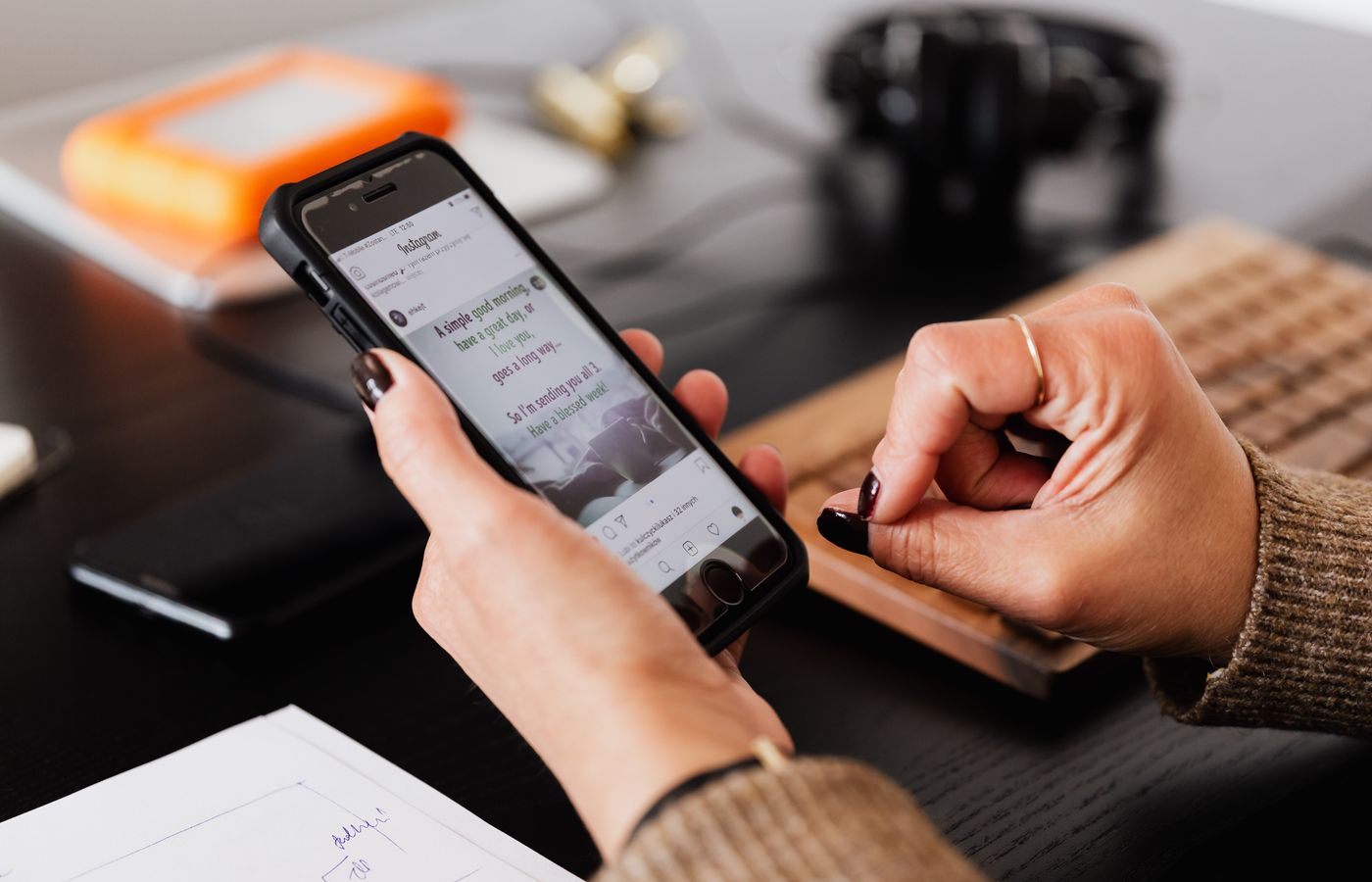
How People Use “Recall” in Real Conversations
The recall meaning slang depends heavily on the situation and platform. Let’s look at how people actually use it in everyday chats.
1. In Messaging Apps
On platforms like WhatsApp or Messenger:
- “I recalled it because I sent it to the wrong person.”
- “Did you just recall that message?”
Here, it clearly means unsending a message.
2. On Social Media (Instagram, Snapchat, Discord)
People use it casually, often jokingly:
- “Too late, I saw it before you recalled it.”
- “Don’t recall it now, I already read it.”
It adds a bit of humor or drama to conversations.
3. In Casual Texting Between Friends
Sometimes it’s used in a more natural, everyday way:
- “I can’t recall his name.”
- “Do you recall that embarrassing moment?”
This is the memory-related meaning.
When It’s Appropriate vs Awkward
Appropriate:
- When talking about deleting messages
- When referring to remembering something
- In semi-formal or neutral conversations
Awkward:
- Using “recall” instead of “delete” in very casual chats
- Overusing it where simpler words fit better
Example:
- Awkward: “I will recall this message now.”
- Better: “I’ll delete that message.”
Real-Life Examples of “Recall” in Text Messages
Let’s break down some realistic chat examples so you fully understand the recall meaning in text.
Example 1: The Accidental Text
Chat:
- A: “Wait… wrong chat 😭”
- A: “Message recalled”
- B: “LOL too late, I saw it”
Meaning:
A sent a message by mistake and quickly deleted (recalled) it—but B already read it.
Example 2: Memory Context
Chat:
- A: “Do you recall what the teacher said?”
- B: “Nope, I wasn’t paying attention”
Meaning:
Here, recall = remember.
Example 3: Suspicious Friend
Chat:
- A: “Why did you recall that message?”
- B: “Nothing important 😅”
Meaning:
This often creates curiosity or suspicion because recalling a message can seem secretive.
Example 4: Workplace Chat
Chat:
- Manager: “Please recall that email immediately.”
- Employee: “Done.”
Meaning:
In professional tools like Outlook, recall = attempt to unsend an email.
Example 5: Funny Situation
Chat:
- A: “I confessed my crush… then recalled it”
- B: “That’s not how life works 😂”
Meaning:
A humorous take—because in real life, you can’t “unsend” emotions.

Common Mistakes & Misunderstandings
Even though the word seems simple, people often misunderstand the recall meaning slang.
1. Confusing “Recall” with Just “Delete”
While they’re similar, they’re not always the same:
- Delete: Remove a message (may still be visible to others)
- Recall: Remove it for everyone (if the app allows)
2. Thinking It Always Means Memory
Some users get confused when they see:
- “Message recalled”
They might think:
- “What does remembering a message mean here?”
But in this context, it’s about unsending, not memory.
3. Using It in the Wrong Tone
“Recall” can sound:
- Formal
- Slightly technical
So using it in super casual chats can feel unnatural.
4. Overthinking It
Sometimes people assume recalling a message means something suspicious or secret. In reality, it’s often just:
- A typo
- Wrong chat
- Regret
Related Slangs & Abbreviations
To better understand recall in chat, it helps to know similar terms people use.
Common Related Terms:
-
Unsend
Used mostly on Instagram and Messenger
Example: “I unsent that message.” -
Delete
More general term
Example: “I deleted it.” -
Edit
Instead of recalling, some apps allow editing
Example: “Let me edit that message.” -
Ghosting
Not replying after deleting messages or disappearing
Example: “He ghosted me after that.” -
Oops text
A message sent by mistake
Why Recall Trips People Up in Group Chats
I once watched a family group chat spiral over three words: message recalled. One aunt assumed someone had died, a cousin thought it was a prank, and nobody asked the obvious question. The sender had simply deleted a typo. That moment taught me that recall is less about vocabulary and more about who is reading it and what they expect. I keep SFS Meaning bookmarked.
The mistake I see most is assuming the tech meaning every time. If a colleague writes that they cannot recall the meeting time, replying with delete jokes lands badly. Match the tone to the room: formal in work threads, playful with friends, neutral in group chats with mixed ages. When in doubt, ask a short clarifying question instead of guessing. Our notes on casual chat acronyms and everyday text shorthand help you read the room faster, and our piece on reply habits people misread explains why a vague answer often creates more confusion than a direct one. I covered that in STTM Meaning. I tested it, see TTS Meaning< I also keep STFU Meaning bookmarked for that reason. There is more on KMKM Meaning if you want the longer version./a>.
FAQs About “Recall Meaning”
1. What does “recall” mean in text messages?
It usually means either remembering something or unsending/deleting a message, depending on the context.
2. What does “message recalled” mean?
It means the sender has removed or unsent the message, so you can no longer see it.
3. Is “recall” the same as delete?
Not always. Recall often means removing the message for everyone, while delete might only remove it from your side.
4. Why do people recall messages?
Common reasons include:
- Sent to the wrong person
- Typo or mistake
- Regret after sending
5. Can you still see a recalled message?
Usually no, but sometimes:
- Notifications may still show it
- The other person might have already read it
Conclusion
Understanding the recall meaning is easier once you see it in context. In modern chat culture, it has two main uses:
- To remember something (classic meaning)
- To unsend or delete a message (modern slang usage)
The key is to look at the situation. If it’s a normal sentence, it likely means memory. If it’s in a chat app notification, it usually means a message was removed.
Now you won’t be confused the next time someone says “message recalled.”
Browse the Shop
 Acacia frida deluxe solid wood bed frame |
Bedroom bench |
Bed chest drawers |
Lingerie dresser |
Frame base |
Mirror with jewelry storage |
30 Bathroom Vanity |
Memory foam queen mattress |
Mattresses for back pain |
Nightstand set of 2 |
Grand Goldman Shop |
Civil Lawyer
Deutschland Trikot WM 2026







