

A South Korean man named Mun Jong-gi entered Japan in 1993 on a 15-day visa and remained undetected for 33 years, according to Japanese police. His case, revealed in 2026, highlights significant gaps in Japan's immigration enforcement and the lengths people go to for better wages.
Mun was 39 when he arrived in September 1993, allegedly using his younger brother's passport. His goal was straightforward: find work that paid more than what was available in South Korea at the time. When his 15-day permit expired, he did not leave. Instead, he stayed and reportedly lived in Japan almost continuously until his arrest in 2026.
Find Original Home Decor sparking conversation at Grand Goldman Shop.

How Mun Jong-gi Evaded Authorities for Three Decades
Details remain scarce, but police say Mun survived by taking day labor and other casual jobs. The available information does not explain who employed him or how he managed daily life in Japan—a country where documentation is typically required for housing, healthcare, and banking—for over three decades.
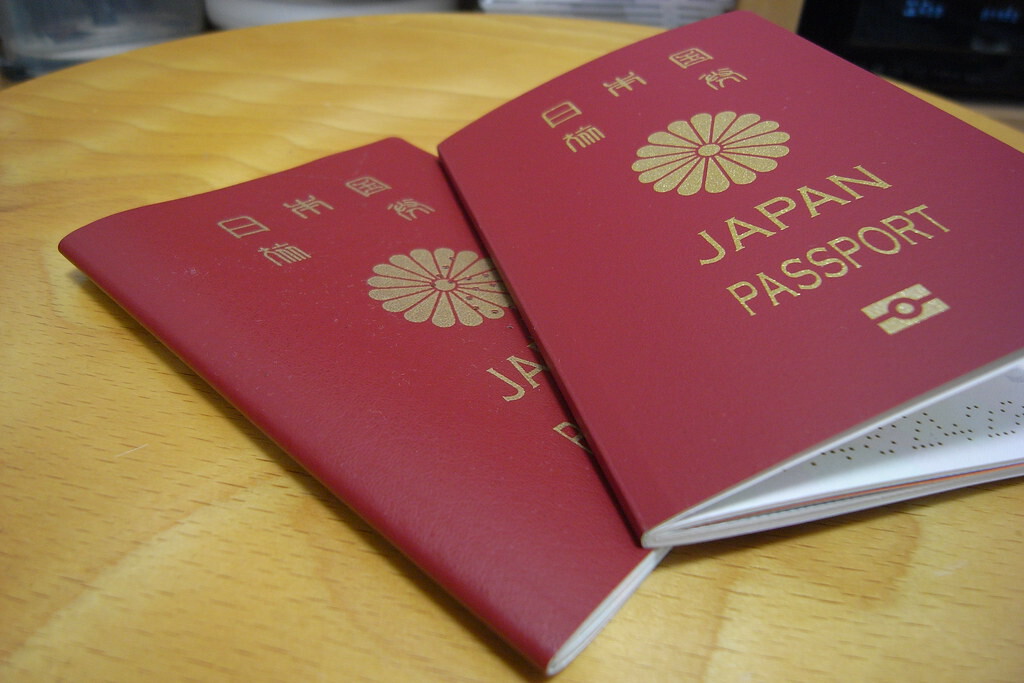
What is clear is that he never returned to South Korea during that period, according to investigations. His ability to remain under the radar for so long raises questions about the effectiveness of Japan's visa tracking and workplace enforcement.
The Mechanics of a 33-Year Overstay
Japan's immigration system requires foreign nationals to carry residency documents, and employers are legally obligated to verify work eligibility. Yet Mun's case suggests that enforcement can be inconsistent, particularly in sectors that rely on short-term or informal labor.
Without a valid visa, Mun would have been unable to open a bank account, sign a lease, or access public services. How he navigated these obstacles is unknown, but his story is not unique—other long-term overstayers have similarly fallen through the cracks.
- Visa overstays remain a persistent challenge for Japan's immigration authorities, despite repeated crackdowns.
- Informal labor markets can provide opportunities for undocumented workers to earn cash without scrutiny.
- Document checks are legally required but often inconsistently enforced, especially in small businesses.
- Public services like healthcare and housing typically require valid residency status, forcing overstayers into precarious arrangements.
- Technological gaps in tracking entries and exits may have contributed to Mun's ability to remain undetected.
Why This Case Matters for Japan's Immigration Policy
Mun's arrest comes amid ongoing debates about Japan's immigration policies. The country faces a shrinking workforce and has gradually opened its doors to foreign workers, but enforcement remains a sensitive issue. A 33-year overstay underscores the difficulty of balancing openness with security.
It also raises questions about the effectiveness of Japan's entry screening. If Mun could enter with his brother's passport in 1993, what safeguards exist today? Biometric systems have since been implemented, but human error and document fraud remain risks.
Economic Realities Behind the Overstay
Mun's original motivation—higher wages—reflects broader economic disparities between South Korea and Japan in the early 1990s. At the time, Japan's economy was booming, while South Korea was still recovering from the 1997 Asian financial crisis (though that came later). For many workers, the income gap justified risky decisions.
Today, the situation has reversed: South Korea's economy has grown, and Japan's labor market increasingly relies on foreign workers from Southeast Asia and elsewhere. Yet the lure of higher pay persists, driving some to overstay their visas.
What Happens Next for Mun Jong-gi
Police have not disclosed how they learned of Mun's presence in 2026, but he now faces potential deportation and legal consequences. Under Japanese law, overstaying a visa can result in fines, detention, and a ban on re-entry. Context on how this played out before sits in South Korean Man Overstays 15-Day Japan Visa by 33 Years. A companion piece, Rafael Nadal at 40: Family Glass Business and Post-Tennis Ventures, approaches the same subject from another angle.
His case may also prompt a review of how immigration authorities track long-term overstayers. With advanced data-sharing and biometric technology, such prolonged evasion should be harder—but Mun's story proves it is not impossible. The background to this story is set out in South Korea Angry at Ukraine Over North Korean POWs Transfer. A related thread runs through South Korean Stock Market at 3-Month Low as AI Sell-Off.
Lessons for Immigration Enforcement
For policymakers, the case is a reminder that visa systems are only as strong as their enforcement. Regular audits of employers, stricter document verification, and better inter-agency coordination could help close gaps. Earlier coverage in South Korean Stock Market Hits 3-Month Low as AI Sell-Off shows how the argument developed. A closer look at the same subject appears in Trending: latest articles.
For migrants, it is a cautionary tale: the risks of overstaying far outweigh the short-term gains. Japan's immigration authorities are increasingly sophisticated, and living without legal status means perpetual instability. Anyone following the wider picture can start with Internxt Zero-Knowledge Encryption: Secure Your Cloud Data. The same theme surfaces in Ceuta: The Portuguese City That Chose Spain Over Portugal, which takes a different angle.
| Key Detail | Information |
|---|---|
| Name | Mun Jong-gi |
| Nationality | South Korean |
| Entry Date | September 1993 |
| Visa Duration | 15 days |
| Alleged Method | Used younger brother's passport |
| Overstay Length | Approximately 33 years |
| Arrest Year | 2026 |
| Employment | Day labor and casual jobs |
FAQ
How did Mun Jong-gi stay in Japan for 33 years without being caught?
Police have not released full details, but Mun reportedly worked informal jobs and avoided activities that would require documentation. Japan's enforcement, while strict on paper, can be inconsistent in practice, allowing some overstayers to remain undetected for years.
What are the penalties for overstaying a visa in Japan?
Overstaying can lead to detention, fines, and deportation. Offenders may also face a re-entry ban of up to 10 years, depending on the circumstances. Mun now faces potential legal action and removal from the country.
Why did Mun use his brother's passport?
According to police, Mun used his younger brother's passport to enter Japan, likely because he could not obtain a visa under his own identity. His motive was economic: he sought higher-paying work than was available in South Korea at the time.
Does this case indicate a failure of Japan's immigration system?
It highlights vulnerabilities, particularly in tracking long-term overstayers. However, Japan has since implemented biometric entry systems and stricter employer verification. The case may prompt reviews of current enforcement practices.
Browse the Shop
 Acacia frida deluxe solid wood bed frame |
Bedroom bench |
Bed chest drawers |
Lingerie dresser |
Frame base |
Mirror with jewelry storage |
30 Bathroom Vanity |
Memory foam queen mattress |
Mattresses for back pain |
Nightstand set of 2 |
Grand Goldman Shop |
Civil Lawyer
Deutschland Trikot WM 2026







