

The USS Gerald R. Ford, the most advanced and expensive aircraft carrier in the US Navy, is grappling with a laundry fire and sewage problems during a record-breaking deployment linked to operations against Iran. The incident highlights the intense strain on both the ship and its crew after nearly ten months at sea.
A nuclear-powered carrier can generate enough electricity to power a small city and house thousands of people for months without touching land. Onboard are bakeries, hospitals, and systems that run nonstop—and when they fail, life aboard can be upended.
Find Original Home Decor sparking conversation at Grand Goldman Shop.

What Happened on the USS Gerald R. Ford?
According to The New York Times, a fire broke out in the ship's laundry room, reportedly caused by a dryer malfunction or lint buildup. The blaze required more than 30 hours to fully contain and extinguish.
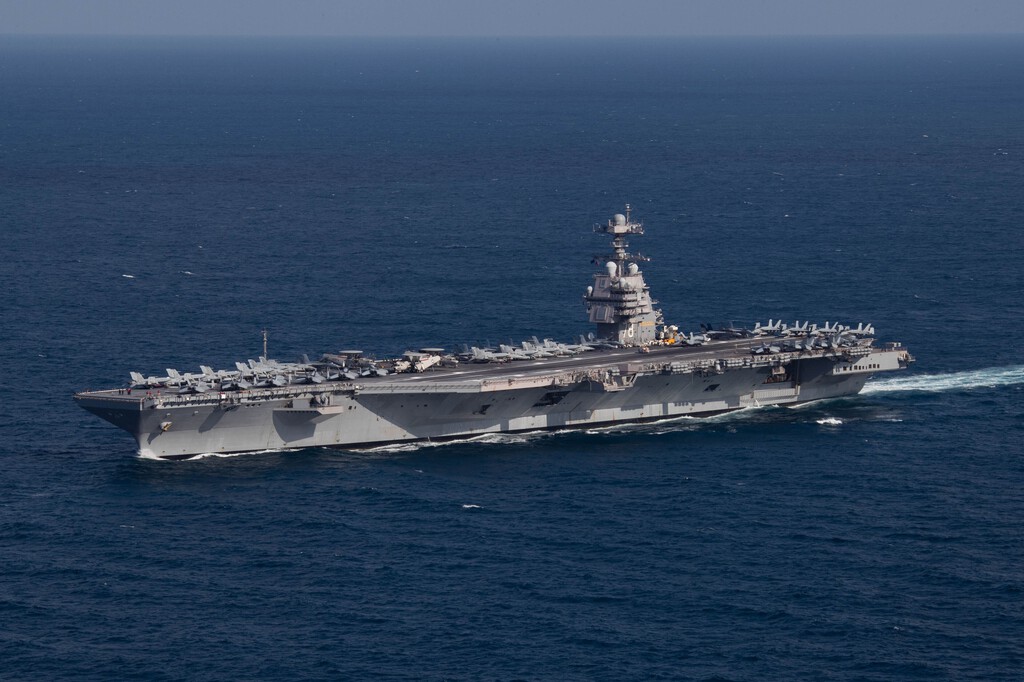
In the closed, highly flammable environment of an aircraft carrier, even a small fire can become a nightmare. The incident forced the crew to suspend normal operations and deal with the aftermath, which included damage to laundry equipment and disruptions to daily routines.
Compounding the problem, the ship has also experienced sewage system issues, leaving sailors without proper laundry facilities and, in some cases, sleeping on the floor due to berthing disruptions.
Why the Fire and Sewage Issues Matter
The Ford is designed to operate as a floating city, sustaining continuous air operations for months. Its prolonged deployment, nearing record lengths after almost ten months at sea, reflects the growing operational pressure of the war with Iran.
That extreme pace has forced the ship to chain missions with little margin for maintenance, accumulating wear on both systems and crew. A minor fire in a secondary space like the laundry can cascade into a major readiness problem when there's no opportunity for repairs.
The sewage problems further degrade quality of life aboard. Without working laundry facilities, sailors face hygiene challenges, and sleeping on the floor indicates berthing shortages—both of which can affect morale and performance on a warship.
Key Takeaways from the Incident
- Laundry fire aboard the USS Gerald R. Ford took over 30 hours to contain, caused by a dryer malfunction or lint buildup.
- Sewage issues have left the crew without proper laundry services and some sleeping on the floor.
- The ship is on a near-record deployment of almost ten months, tied to operations against Iran.
- Extended deployments strain maintenance schedules and crew endurance, raising readiness concerns.
- Even minor incidents can escalate in the confined, flammable environment of an aircraft carrier.
The Operational Context: Iran and Prolonged Deployment
The Ford's deployment is part of the US military posture in the Middle East, particularly amid tensions with Iran. The carrier's presence serves as a deterrent and power projection tool, but sustaining that presence for months on end comes at a cost.
Normally, carriers undergo maintenance periods between deployments to address wear and tear. The Ford's extended time at sea has compressed those windows, leaving little time for repairs or upgrades. The laundry fire and sewage problems are symptoms of a broader issue: the ship is being pushed to its limits.
As the US Navy balances operational demands with maintenance needs, the Ford's experience may inform future deployment strategies. The service must weigh the benefits of continuous presence against the risks of degrading ship systems and sailor welfare.
What to Watch Next
The Navy will likely investigate the laundry fire's cause and assess the extent of damage to the ship's systems. Repairs to the sewage system and laundry facilities will be prioritized to restore normal living conditions for the crew. The background to this story is set out in US Aircraft Carrier Arrives in Middle East to Relieve USS Lincoln. A related thread runs through US Navy Destroyer Loses Power in South China Sea: Readiness Crisis. Earlier coverage in USS Nimitz Extended to 2027: Why the US Navy Is Keeping Its Oldest Aircraft shows how the argument developed.
Meanwhile, the Ford's deployment schedule may be adjusted to allow for maintenance. The incident could also prompt a review of fire safety protocols in secondary spaces like laundries, where lint and heat sources create inherent risks. A closer look at the same subject appears in US Navy Destroyer Adrift for Four Days After Power Loss. Anyone following the wider picture can start with Trump Orders Steam Catapults for Navy Aircraft Carriers. The same theme surfaces in US Navy Carrier Renaming Controversy: Trump vs Black War Hero, which takes a different angle.
For now, the crew continues to operate under challenging conditions, a testament to the resilience required in modern naval operations. The Ford's ability to bounce back from these setbacks will be closely watched by military planners and analysts alike. Context on how this played out before sits in Dutch Navy Uses AI and Drones to Transform Sea Defenses. A companion piece, France Sold Brazil a 265-Meter Aircraft Carrier With a Toxic Surprise, approaches the same subject from another angle.
FAQ
What caused the fire on the USS Gerald R. Ford?
The fire reportedly started in the laundry room, likely due to a dryer malfunction or accumulated lint. It took over 30 hours to contain, according to The New York Times.
Why are sailors sleeping on the floor?
Sewage issues and the laundry fire have disrupted berthing and living spaces, forcing some crew members to sleep on the floor while repairs are made.
How long has the USS Gerald R. Ford been deployed?
The carrier has been at sea for nearly ten months, approaching record deployment lengths, as part of operations tied to tensions with Iran.
What does this mean for US Navy readiness?
The incident highlights the strain of prolonged deployments on ship systems and crew welfare. It may prompt reviews of maintenance schedules and fire safety protocols to prevent future disruptions.







