

A gardener in Denmark has unearthed the largest Viking silver treasure ever found, a clay vessel filled with kilograms of silver pieces from the 10th century. The discovery, made in Rebild, North Jutland, includes hundreds of ingots, coins, and brooches, and offers a rare glimpse into the Viking Age.
The unnamed man was digging in a private garden to build a terrace when he struck something metallic. "After half an hour of digging, I hit something that made a strange noise," he said. "At first I thought it was old iron, fence wire, or pottery fragments, but when I started digging with my hands, I pulled out one metal object after another."
Find Original, High-end Home Decor that spark conversation at Grand Goldman Shop.
What Was Found in the Viking Silver Hoard?
The hoard was contained in a clay pot and consists of hundreds of silver artifacts, including ingots, coins, and brooches. The sheer volume makes it one of the most significant Viking silver discoveries to date. The items date to the 10th century, a period of extensive Viking trade and expansion.
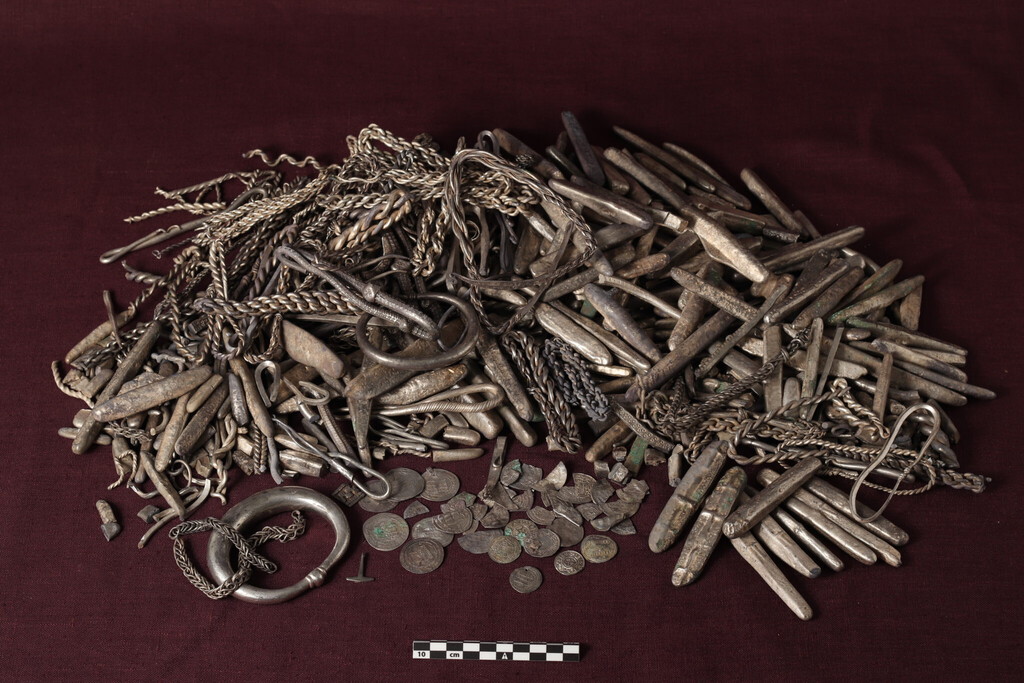
Silver was a key measure of wealth in Viking society, often used in trade and as a store of value. The presence of coins from various regions suggests wide-ranging trade networks. The brooches, typically worn as fasteners for clothing, indicate personal adornment and craftsmanship.
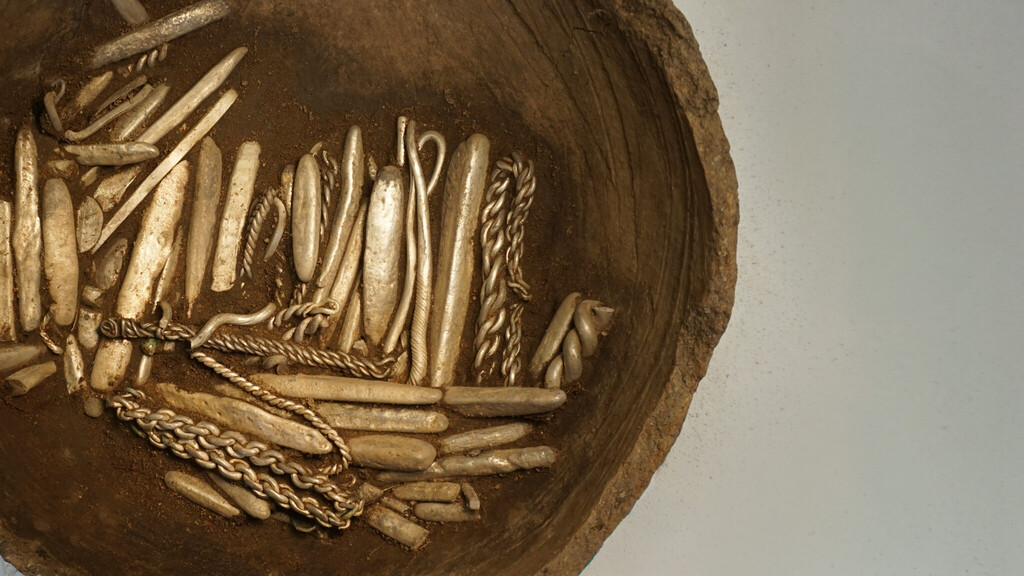
- Clay vessel containing the hoard was buried intact, preserving its contents.
- Hundreds of silver items include ingots, coins, and brooches.
- 10th-century date places the treasure in the heart of the Viking Age.
- North Jutland location aligns with known Viking activity in Denmark.
- Accidental discovery highlights the role of chance in archaeology.
Why Is This Viking Treasure So Important?
The discovery is important not only for its content but also for the story it tells about the Viking era. According to archaeologists, such hoards were often buried for safekeeping during times of unrest or as offerings to gods. The Rebild find could shed light on local trade, wealth distribution, and cultural practices.
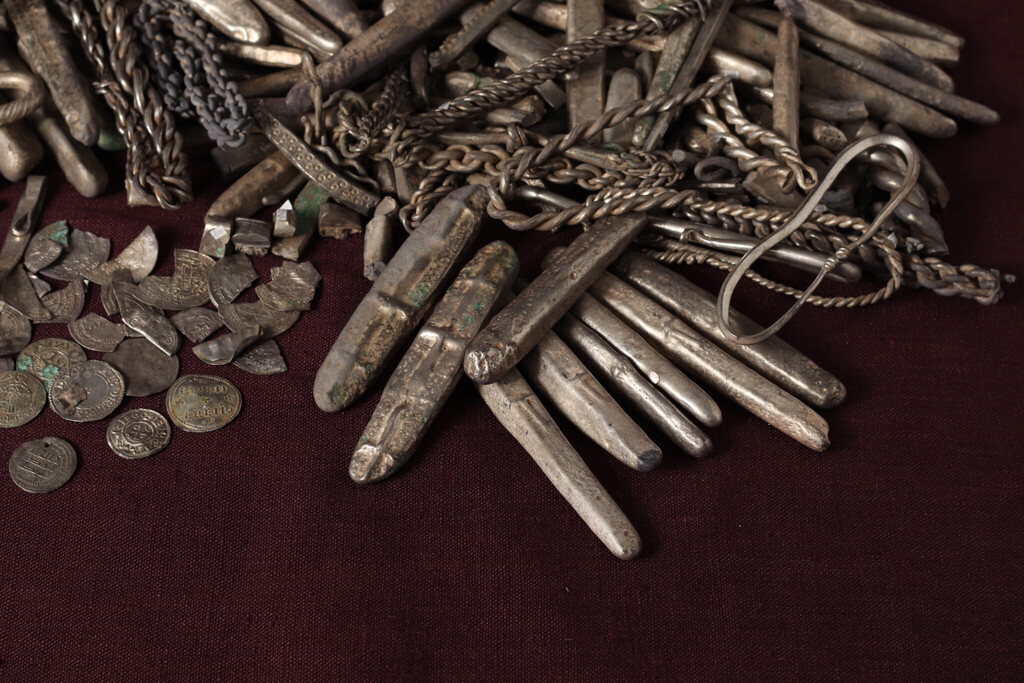
The fact that the treasure was found in a garden rather than a known archaeological site underscores how much of the Viking past remains hidden. It also raises questions about the circumstances of burial: was it a private stash, a ritual deposit, or a casualty of conflict?
How Does This Compare to Other Viking Hoards?
Denmark has seen several notable Viking silver hoards, but the Rebild discovery stands out for its size and completeness. The table below compares it with other famous finds.
| Hoard | Location | Date | Notable Contents |
|---|---|---|---|
| Rebild Hoard | North Jutland, Denmark | 10th century | Hundreds of silver ingots, coins, brooches |
| Cuerdale Hoard | Lancashire, England | c. 905 | Over 8,600 items, mostly silver |
| Vale of York Hoard | North Yorkshire, England | c. 927 | 617 coins, silver objects |
| Spillings Hoard | Gotland, Sweden | 9th century | Over 14,000 coins, silver objects |
While the Spillings Hoard is larger in total items, the Rebild find is remarkable for its concentration of silver in a single vessel and its Danish context. It may rival the Cuerdale Hoard in sheer silver weight.
Who Found the Treasure and What Happens Next?
The discoverer, who wishes to remain anonymous, described the moment as "the biggest surprise of my life." He immediately contacted local authorities, and the site has been secured for further investigation. Under Danish law, treasure finds of this nature are considered danefæ (treasure trove) and belong to the state, with finders typically receiving a reward.
Archaeologists are now examining the hoard to determine its exact composition and historical significance. The context of the find—buried in a garden—may provide clues about the landscape and settlement patterns of the time.
What Does This Mean for Viking History?
This discovery adds to the growing body of evidence about Viking silver economy and trade. It also highlights the importance of metal-detecting and accidental finds in uncovering history. As archaeologists continue to study the hoard, we can expect new insights into the 10th-century Viking world. The background to this story is set out in Trending: latest articles.
For now, the Rebild treasure stands as a testament to the enduring allure of the Viking Age and the surprises that still lie beneath our feet. A related thread runs through Calais Migrant Camps: Life Harsher a Decade After Jungle Demolition. Earlier coverage in 2,400-Year-Old Iberian Head Found in Lezuza May Reveal Lost Necropolis shows how the argument developed.
FAQ
What is the Rebild Viking silver treasure?
The Rebild treasure is a large Viking silver hoard discovered in a garden in North Jutland, Denmark. It consists of hundreds of silver items, including ingots, coins, and brooches, dating to the 10th century.
Who found the Viking treasure and how?
An anonymous gardener found the treasure while digging a terrace in a private garden. He initially thought it was scrap metal but soon realized it was a significant archaeological find.
Why is this Viking treasure important?
The treasure is important for its size and contents, which provide valuable information about Viking trade, wealth, and cultural practices in the 10th century. It also underscores the role of chance discoveries in archaeology.
What happens to the treasure now?
Under Danish law, the treasure belongs to the state. Archaeologists will study it, and the finder may receive a reward. The hoard will likely be displayed in a museum.
Browse the Shop
 Acacia frida deluxe solid wood bed frame |
Bedroom bench |
Bed chest drawers |
Lingerie dresser |
Frame base |
Mirror with jewelry storage |
30 Bathroom Vanity |
Memory foam queen mattress |
Mattresses for back pain |
Nightstand set of 2 |
Grand Goldman Shop |
Civil Lawyer
Deutschland Trikot WM 2026







