

AI is so good at chess that it's changing how humans play the game, especially at the elite level. The image of two players locked in a pure battle of intellect, trying to outthink each other over the board, still holds for most of us. But in top-tier chess, the game has transformed—not because chess itself has broken, but because increasingly powerful engines have altered how players study, prepare, and compete.
This shift didn't happen overnight, but it produced a striking moment in 2018. The World Chess Championship between Magnus Carlsen and Fabiano Caruana ended with all 12 classical games drawn—a first in the tournament's history dating back to 1886. That result wasn't an isolated oddity; it was the visible sign of a trend that had been building for years.
Find Original Home Decor sparking conversation at Grand Goldman Shop.

How AI Engines Became Chess Superpowers
Grandmasters have worked with engines for years. These programs analyze positions and find optimal continuations with precision far beyond human capability. Early engines relied on brute-force calculation, but modern neural-network engines like AlphaZero and Leela Chess Zero have taken things further. They evaluate positions in ways that sometimes seem almost alien to human intuition.
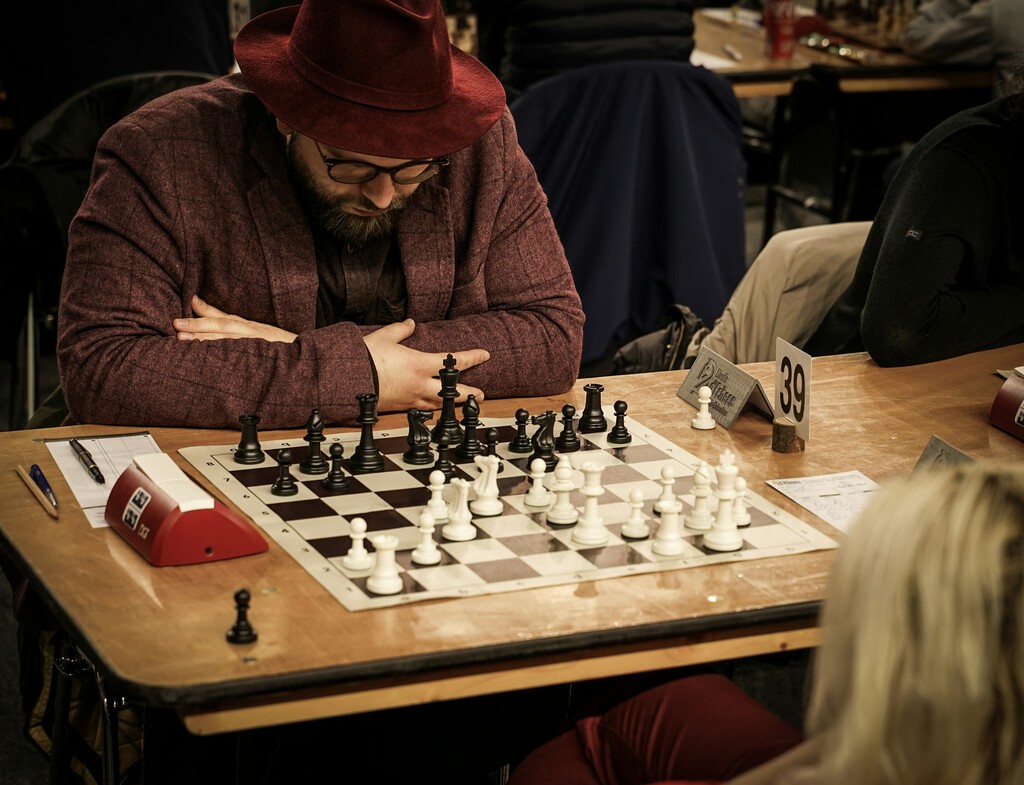
Players now use engines not just to check tactics but to explore opening ideas, test positional sacrifices, and refine endgame technique. The result is a level of preparation that was unimaginable a few decades ago.
The Draw Problem: When Preparation Meets Preparation
The 2018 Carlsen–Caruana match highlighted a growing issue: the more players rely on engines, the narrower the margin for surprise. Both players arrived with meticulously prepared openings, often backed by engine analysis that stretched deep into the middlegame. When both sides know the same lines, breaking the balance becomes extremely difficult.
This doesn't mean draws are bad—they're a natural part of chess. But the frequency of draws at the top level has raised concerns about the game's excitement for spectators. Organizers have experimented with different formats, such as faster time controls and tiebreaks, to encourage decisive results.
What This Means for Human Creativity
Some feared that AI would kill creativity in chess. In reality, the opposite has happened. Engines have shown players new ideas and unconventional moves that humans might never have considered. Players now study engine games to expand their repertoire and find hidden resources.
However, there's a trade-off: the sheer volume of engine lines can be overwhelming. Players must choose which ideas to trust and which to discard, relying on their own judgment and intuition. The human element remains crucial—engines suggest, but players decide.
Key Takeaways for Chess Enthusiasts
- AI engines have revolutionized chess preparation, allowing players to analyze positions with unprecedented depth.
- The 2018 World Championship saw all 12 classical games drawn, a historic first that underscored the impact of engine-driven preparation.
- Draws at the elite level have become more common as players neutralize each other's prepared lines.
- Creativity hasn't disappeared; engines have introduced new ideas and strategies that humans are still exploring.
- The human element persists: players must interpret engine output and make decisions under pressure.
How AI Has Changed Chess Study and Competition
Today, a serious chess player's routine involves hours of engine analysis. They use databases of engine games to prepare openings and study typical middlegame plans. This has raised the overall level of play, but it has also made preparation more demanding. Context on how this played out before sits in AI Is So Good at Chess It's Changing How Humans Play.
In competition, players must be wary of falling into prepared traps. The psychological aspect has shifted: instead of just outcalculating opponents, players now try to outprepare them, anticipating which engine lines they might have studied. The background to this story is set out in Ai Video: latest articles. A related thread runs through China's AI Talent Surge Outpaces US in Global Engineer Race.
Comparison of Traditional vs. AI-Assisted Chess Preparation
| Aspect | Traditional Preparation | AI-Assisted Preparation |
|---|---|---|
| Analysis method | Human analysis, books, intuition | Engine evaluation, deep calculation |
| Opening preparation | Based on personal experience and classic games | Engine-recommended lines, often unconventional |
| Time required | Less intensive, more generalized | Highly intensive, specialized |
| Surprise factor | Higher, as opponents rely on general principles | Lower, as both sides anticipate engine moves |
| Creativity | Driven by human imagination | Enhanced by engine suggestions, but filtered by human judgment |
What to Watch Next in AI and Chess
The relationship between AI and chess continues to evolve. Researchers are exploring how AI can be used to train human players more effectively, and some tournaments are experimenting with rules to limit engine preparation. Meanwhile, the rise of online chess and AI-powered training tools is making high-level analysis accessible to amateurs. Earlier coverage in AI App Development Boom Overwhelms Apple's App Store Review shows how the argument developed. A closer look at the same subject appears in Best Low-Tech Gifts: Analog Ideas for a Screen-Free Life.
One thing is clear: AI has permanently altered the chess landscape. The game remains a battle of minds, but those minds now have powerful digital allies. Anyone following the wider picture can start with Famous World Chess Championship Games: From Fischer to Carlsen. The same theme surfaces in Carlsen's Winless Streak Threatens World No 1 and 2800 Rating, which takes a different angle.
FAQ
Why did all 12 games in the 2018 World Championship end in draws?
Both players, Magnus Carlsen and Fabiano Caruana, were extremely well-prepared with engine analysis. Their deep opening knowledge neutralized each other's attempts to create winning chances, leading to a historic all-draw result.
Do chess engines stifle human creativity?
Not necessarily. Engines have introduced new ideas and unconventional moves that humans might not have discovered. While some players rely heavily on engine lines, others use engines as a tool to enhance their own creativity, filtering suggestions through human judgment.
How has AI changed the way chess players prepare?
Players now spend hours analyzing positions with engines, exploring opening lines and middlegame plans in great depth. This has raised the overall level of play but also made preparation more time-consuming and specialized.
What does the future hold for AI in chess?
AI will likely continue to shape chess training and competition. We may see more experiments with tournament formats and rules to balance engine preparation, as well as wider accessibility of AI tools for amateur players.
Browse the Shop
 Acacia frida deluxe solid wood bed frame |
Bedroom bench |
Bed chest drawers |
Lingerie dresser |
Frame base |
Mirror with jewelry storage |
30 Bathroom Vanity |
Memory foam queen mattress |
Mattresses for back pain |
Nightstand set of 2 |
Grand Goldman Shop |
Civil Lawyer
Deutschland Trikot WM 2026







