

Claude Fable 5.2, Anthropic's latest large language model, has moved beyond vibe coding to design physical devices that work in the real world. The company unveiled both Fable 5.2 and Mythos 5.2, and the headline isn't benchmark scores—it's that the model now generates hardware designs, not just software.
The timing is notable: Anthropic is reportedly preparing an investor roadshow ahead of a potential IPO. The launch positions the company as a leader in AI-driven engineering, not just coding assistance.
Find Original Home Decor sparking conversation at Grand Goldman Shop.

What Exactly Is Claude Fable 5.2?
In practice, Fable 5.2 and Mythos 5.2 are the same underlying model. The difference lies in safeguards: Fable includes cybersecurity and biology restrictions and is available to all users. Mythos, like previous versions, drops those limits and is offered only to verified organizations in sensitive fields, such as those in Project Glasswing.

Anthropic claims substantial improvements across all areas. But external benchmarks tell a more nuanced story. SemiAnalysis concludes the gains are marginal, which explains the version number 5.2 rather than 5.5.

Benchmark Performance and Cost
Fable 5.2 leads in software engineering, tops the GDPx ranking, and dominates chip design by a wide margin. However, it's also the most expensive model in the ranking. Anthropic notes it's cheaper than its predecessor at $8 per million input tokens and $40 per million output tokens, but that's still a premium price.
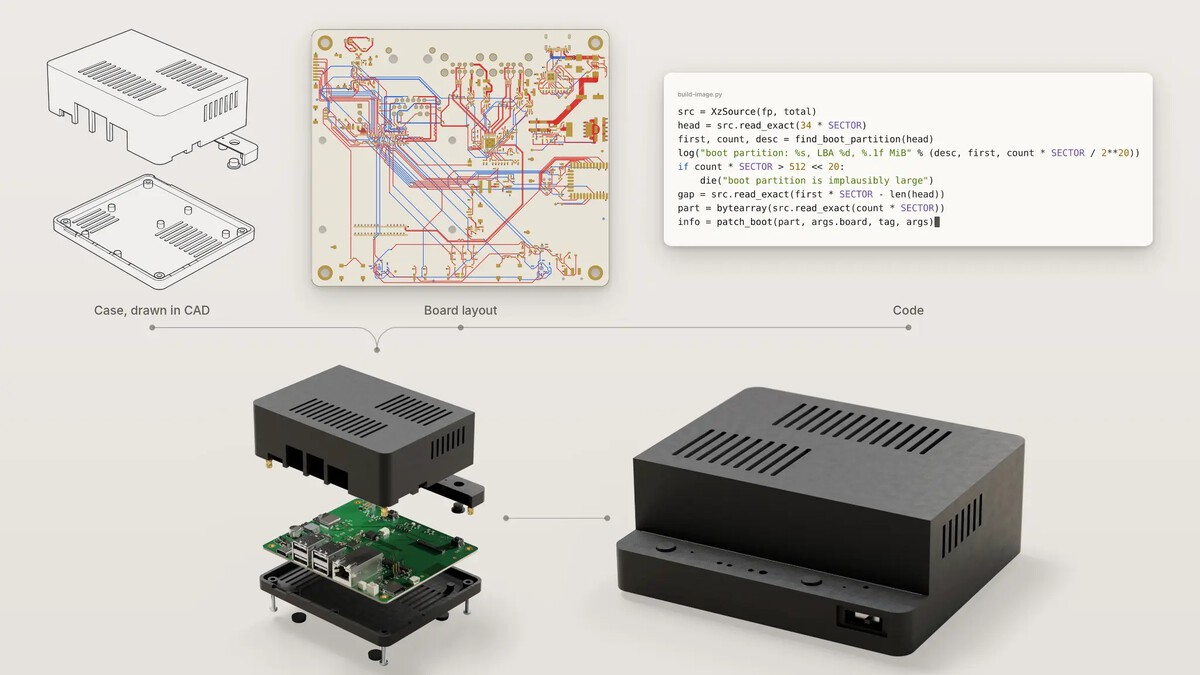
For teams building AI-powered tools, the cost may be justified by the model's ability to generate functional hardware designs. This could accelerate prototyping and reduce reliance on specialized engineers.
From Vibe Coding to Physical Device Design
Vibe coding—using natural language to generate code—was a major step forward. Now, Fable 5.2 extends that capability to physical devices. The model can propose designs that are manufacturable and functional, according to Anthropic.
This shift matters because hardware development is traditionally slow and expensive. AI that can suggest viable designs could compress timelines and lower barriers for startups. It also raises questions about safety and verification, especially for devices with real-world impact.
Key Takeaways
- Claude Fable 5.2 and Mythos 5.2 are the same model with different safeguards.
- Fable 5.2 leads in software engineering, GDPx, and chip design benchmarks.
- External analysis calls the improvement marginal, hence the 5.2 version number.
- Pricing is $8 per million input tokens and $40 per million output tokens.
- The model can design physical devices, moving beyond vibe coding.
How Fable 5.2 Compares to Previous Models
Anthropic positions Fable 5.2 as a substantial upgrade, but independent benchmarks suggest otherwise. The table below summarizes key differences based on available information.
| Model | Availability | Safeguards | Input Price (per 1M tokens) | Output Price (per 1M tokens) | Key Strength |
|---|---|---|---|---|---|
| Claude Fable 5.2 | All users | Cybersecurity and biology | $8 | $40 | Chip design, software engineering |
| Claude Mythos 5.2 | Verified organizations | None | Not disclosed | Not disclosed | Sensitive research |
| Previous Claude (e.g., 5.1) | All users | Similar to Fable | Higher | Higher | General coding |
Note: Pricing for Mythos 5.2 is not publicly available. The comparison is based on Anthropic's statements and external analysis.
Why This Matters for AI and Hardware
The ability to design physical devices has implications beyond convenience. It could democratize hardware innovation, allowing small teams to compete with established manufacturers. But it also introduces risks: flawed designs could lead to unsafe products if not properly vetted.
Anthropic's dual-model approach addresses this by restricting Mythos to verified organizations. Still, the line between software and hardware is blurring, and regulators may struggle to keep up. The background to this story is set out in Anthropic Launches Claude Fable 5.2 and Mythos 5.2 AI Models. A related thread runs through Anthropic's $6.6 Million Per Employee: The Nvidia Benchmark.
What to Watch Next
Anthropic's investor roadshow will likely highlight Fable 5.2's capabilities. Watch for real-world case studies of devices designed by the model. Also monitor how competitors respond—OpenAI and Google are surely working on similar features. Earlier coverage in Anthropic Launches Claude Science for Laboratory Research shows how the argument developed. A closer look at the same subject appears in Logitech Zone Vibe Pro: Repairable Headphones Launch in Spain.
For now, Fable 5.2 is available to all users, while Mythos 5.2 remains limited. The pricing suggests Anthropic is targeting enterprise customers who need high-end design work. Anyone following the wider picture can start with Anthropic: Claude May Aid Biological Weapons Development. The same theme surfaces in Anthropic IPO to Make 80% of Employees Millionaires, which takes a different angle.
FAQ
What is Claude Fable 5.2?
Claude Fable 5.2 is Anthropic's latest large language model, designed for tasks like software engineering and chip design. It includes cybersecurity and biology safeguards and is available to all users.
How is Fable 5.2 different from Mythos 5.2?
They are the same model, but Mythos 5.2 lacks safeguards and is only offered to verified organizations in sensitive fields. Fable 5.2 has restrictions and is open to everyone.
Can Fable 5.2 really design physical devices?
Yes, according to Anthropic. The model can propose functional hardware designs, moving beyond vibe coding. However, independent verification is still needed.
Is Fable 5.2 worth the cost?
At $8 per million input tokens and $40 per million output tokens, it's cheaper than its predecessor but still premium. It may be worth it for teams needing advanced chip design or software engineering capabilities.
The launch of Fable 5.2 shows Anthropic pushing AI beyond code generation. As the line between software and hardware blurs, expect more tools that let AI design the physical world. For a deeper look at how AI is changing creation, see GPT-6 Astra: From Vibe Coding to Vibe Doing with AI.
Meanwhile, the vibe coding movement continues to evolve. Vibe Coding Builds Free Adobe Suite Alternatives With Opus 5.5 shows how AI is democratizing software tools. As models like Fable 5.2 mature, similar disruptions may hit hardware.
Browse the Shop
 Acacia frida deluxe solid wood bed frame |
Bedroom bench |
Bed chest drawers |
Lingerie dresser |
Frame base |
Mirror with jewelry storage |
30 Bathroom Vanity |
Memory foam queen mattress |
Mattresses for back pain |
Nightstand set of 2 |
Grand Goldman Shop |
Civil Lawyer
Deutschland Trikot WM 2026







