

Claude Mythos Preview is being billed by Anthropic as the most powerful AI model ever created, but the company's decision to restrict access to a select group of enterprises has raised eyebrows. The question on everyone's mind: is this a genuine safety measure or just a clever marketing tactic to generate hype? With critics like Gary Marcus questioning the model's revolutionary claims, the debate is heating up.
What Exactly Is Claude Mythos and Why the Secrecy?
Anthropic recently unveiled Claude Mythos Preview, a model it says excels in cybersecurity capabilities, even finding vulnerabilities in Firefox 147. However, instead of a public release, only a handful of companies have been granted access. Anthropic argues that Mythos is so potent that it could be dangerous in the wrong hands, necessitating strict controls.
Find Original Home Decor sparking conversation at Grand Goldman Shop.

This approach is unusual even for Anthropic, which has previously released models with safety guardrails. The limited release has fueled speculation that the company is manufacturing scarcity to amplify the model's perceived value. After all, if hardly anyone can test it, how can we verify the claims?
Gary Marcus and Other Experts Challenge the Narrative
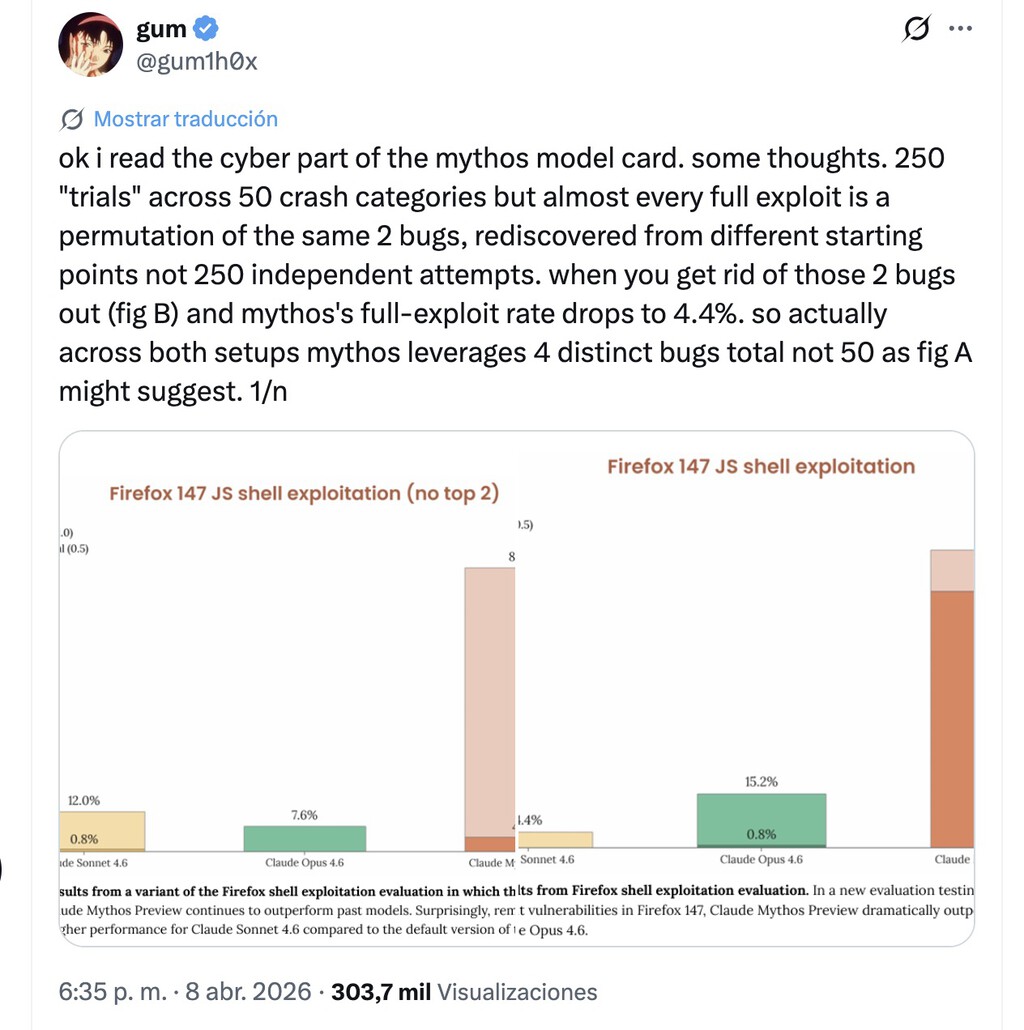
Gary Marcus, a prominent entrepreneur and analyst, recently outlined three reasons why Mythos may not be the game-changer Anthropic claims. He cited software engineers and cybersecurity experts who doubt the company's assertions. According to Marcus, the study Anthropic published on Mythos's capabilities painted a picture of an extraordinary tool, but the reality might be more mundane.
One key criticism: many of the vulnerabilities Mythos found in Firefox 147 were essentially variations of two underlying bugs. When you remove those from the equation, the model's effectiveness rate drops significantly. This suggests that Mythos, while an improvement, is not the revolutionary leap that Anthropic implies.
The Hype Cycle: A Familiar Tactic in AI
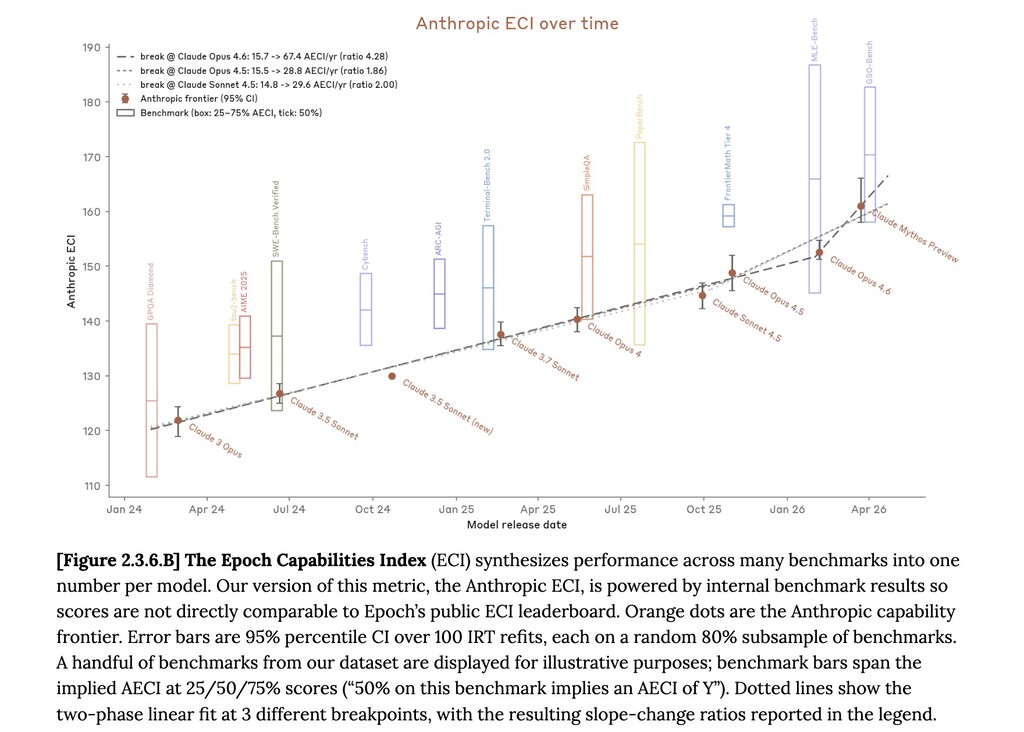
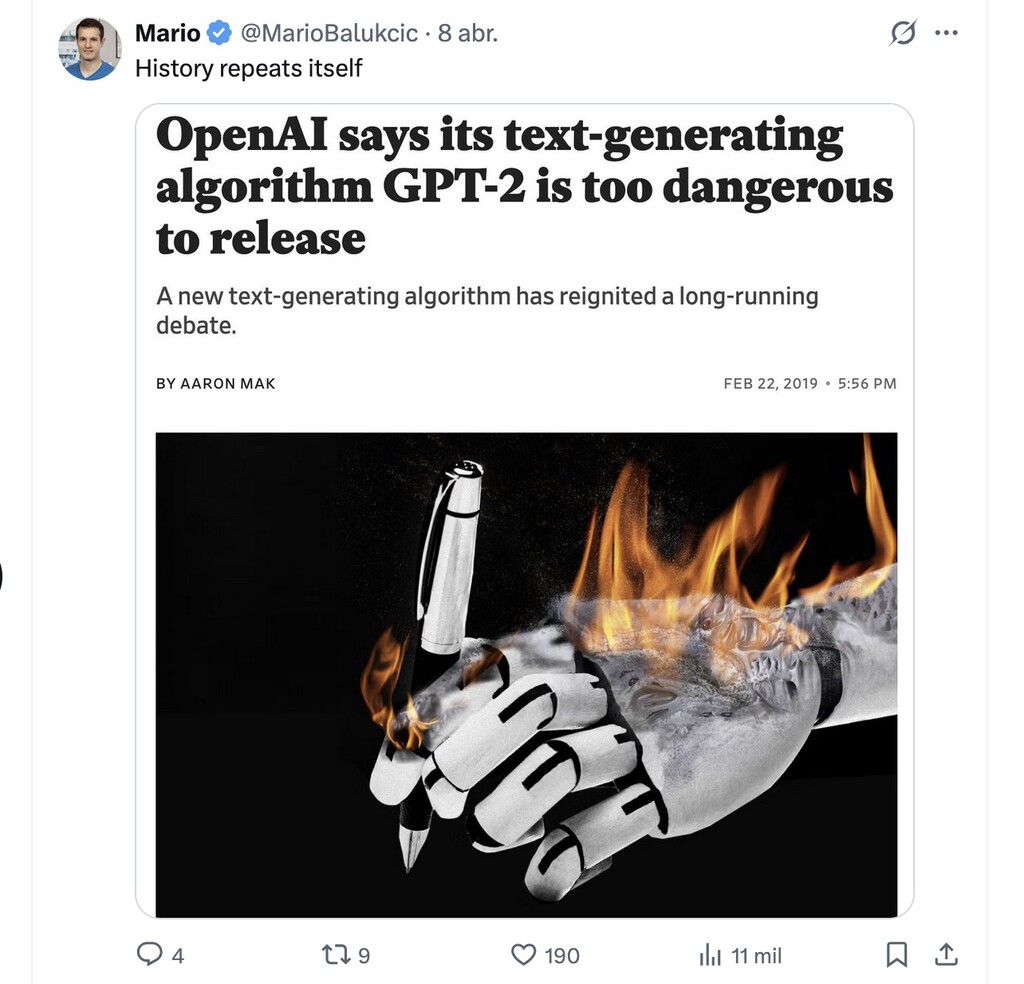
The AI industry is no stranger to hype. Companies often exaggerate capabilities to attract investment and attention. Anthropic's decision to restrict access to Mythos creates an aura of exclusivity and danger, which can be an effective marketing tool. But it also risks eroding trust if the model fails to live up to expectations.
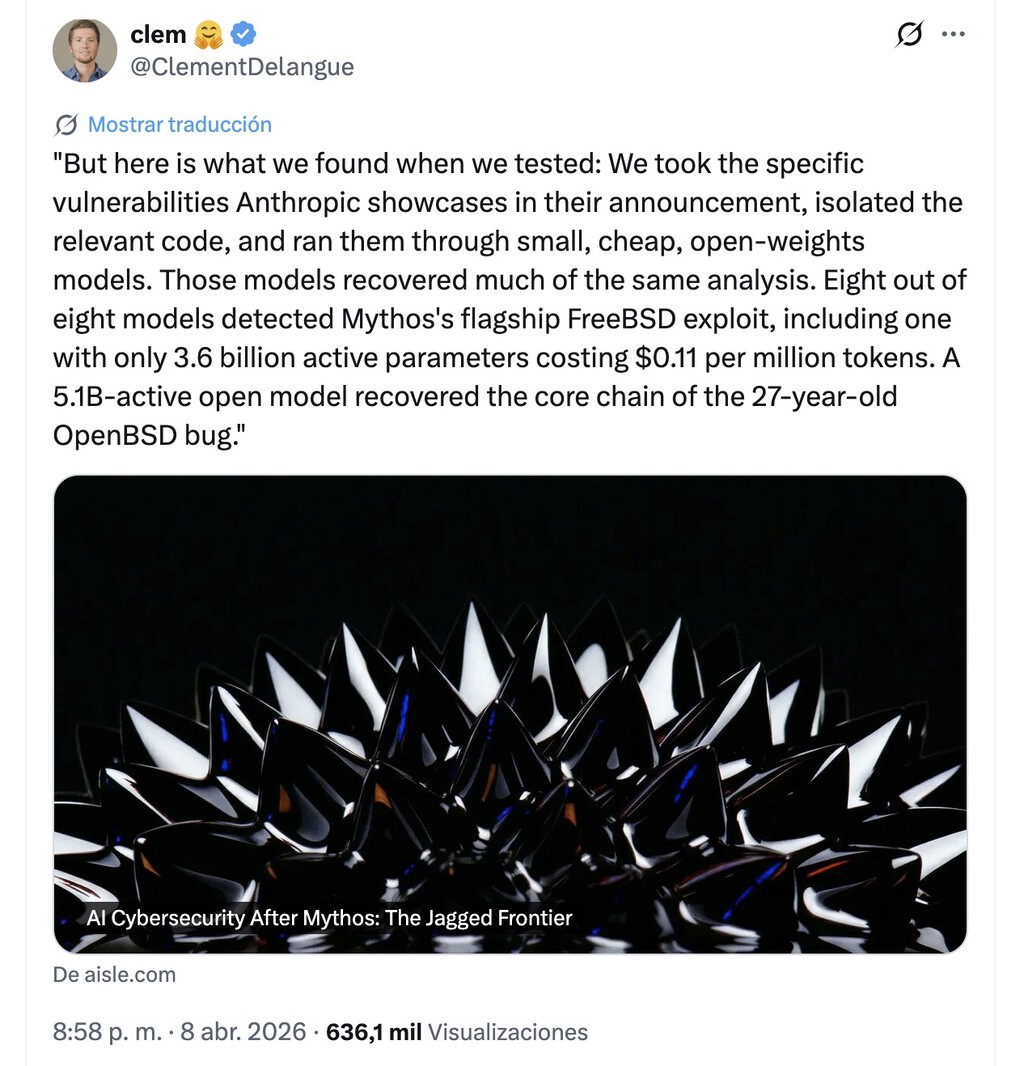
Moreover, the lack of independent verification is a red flag. Without broad access, researchers cannot replicate or challenge Anthropic's findings. This is particularly concerning in cybersecurity, where transparency and peer review are crucial for identifying real threats.
What the Cybersecurity Claims Really Mean
Anthropic's study highlights Mythos's ability to detect vulnerabilities, but the details matter. Finding bugs in software is not new; many tools exist for this purpose. The question is whether Mythos offers a qualitative leap in accuracy or efficiency. The fact that many findings were variations of the same bug suggests the model may be overfitting to certain patterns rather than demonstrating broad understanding.
Furthermore, cybersecurity experts point out that real-world attacks often involve novel techniques that AI models struggle to anticipate. Mythos might excel at identifying known vulnerability types, but its ability to handle unknown threats remains unproven.
Key Takeaways for Observers
- Anthropic claims Claude Mythos is too dangerous for public release, but critics question the evidence.
- Gary Marcus and other experts argue the model's achievements are overstated, with many vulnerabilities being variations of the same bug.
- The limited release strategy may be a marketing tactic to generate hype and exclusivity.
- Lack of independent verification makes it difficult to assess Mythos's true capabilities.
- In cybersecurity, transparency and peer review are essential, and Anthropic's approach falls short.
Comparing Mythos to Previous Models
To understand whether Mythos is truly revolutionary, it helps to compare it with earlier models. The table below summarizes key aspects based on available information.
| Model | Release Strategy | Cybersecurity Claims | Independent Verification |
|---|---|---|---|
| Claude Mythos Preview | Limited access to select companies | Found vulnerabilities in Firefox 147, but many were variations of two bugs | None, due to restricted access |
| Previous Claude Models | Public release with safety guardrails | General capabilities, not specifically cybersecurity-focused | Widely tested and reviewed |
| Other AI Models (e.g., GPT-4) | Public API | Not marketed as cybersecurity tools | Extensive independent research |
As the table shows, Mythos stands out primarily for its restricted release and bold claims, not necessarily for proven superiority. The background to this story is set out in Claude Mythos AI Security: Hype vs. Reality in Cybersecurity. A related thread runs through GPT-5.5 Cyber vs Mythos: AI Security Hype or Real Threat. Earlier coverage in Claude Mythos: Mozilla Finds 271 Firefox 150 Vulnerabilities shows how the argument developed.
What to Watch Next
Anthropic may eventually release Mythos more broadly, or it may maintain exclusivity. Either way, the AI community will be watching closely. If independent researchers gain access and confirm the model's capabilities, the hype could be justified. If not, Anthropic risks damaging its credibility. A closer look at the same subject appears in Spain Demands Early Access to Anthropic's Mythos AI Model. Anyone following the wider picture can start with US Government Restricts Anthropic's Mythos 5 AI Model Access. The same theme surfaces in Anthropic's Model 2: A New AI That Outperforms Mythos, which takes a different angle.
For now, the burden of proof lies with Anthropic. Extraordinary claims require extraordinary evidence, and so far, the evidence is limited to a select few. Until broader testing occurs, skepticism is warranted. Context on how this played out before sits in Anthropic Launches Claude Fable 5.2 and Mythos 5.2 AI Models. A companion piece, US Shut Down Claude Mythos Over China Data Fears, Not Jailbreak, approaches the same subject from another angle.
FAQ
Is Claude Mythos really too dangerous to release publicly?
Anthropic claims so, but without independent verification, it's hard to confirm. Critics argue the danger may be exaggerated to create hype.
What did Gary Marcus say about Claude Mythos?
Marcus outlined three reasons why Mythos isn't as revolutionary as claimed, citing experts who doubt Anthropic's assertions and pointing out that many vulnerabilities found were variations of the same bug.
Why is Anthropic limiting access to Claude Mythos?
Anthropic says it's to prevent misuse, but some believe it's a marketing strategy to generate exclusivity and buzz.
Can we trust Anthropic's cybersecurity claims about Mythos?
Without independent testing, trust is limited. The cybersecurity community values transparency, and Anthropic's restricted approach hinders verification.
Browse the Shop
 Acacia frida deluxe solid wood bed frame |
Bedroom bench |
Bed chest drawers |
Lingerie dresser |
Frame base |
Mirror with jewelry storage |
30 Bathroom Vanity |
Memory foam queen mattress |
Mattresses for back pain |
Nightstand set of 2 |
Grand Goldman Shop |
Civil Lawyer
Deutschland Trikot WM 2026







