

Google engineers are quietly mocking the company's AI with memes, according to an internal document that reveals widespread skepticism about the technology's quality. The document, reported by Spanish tech site Genbeta, shows that even Google's own developers find the company's AI output comically bad.
This comes as CEO Sundar Pichai boasts that 75% of new Google code is generated by AI. But the internal memes suggest a different story: engineers are using humor to cope with the gap between hype and reality.
Find Original Home Decor sparking conversation at Grand Goldman Shop.

Google's AI Hype vs. Internal Reality
Pichai has publicly championed Google's rapid AI adoption, claiming that three-quarters of new code is AI-generated. The industry-wide obsession with touting AI-generated code has become a badge of honor, as seen with Anthropic's similar claims.
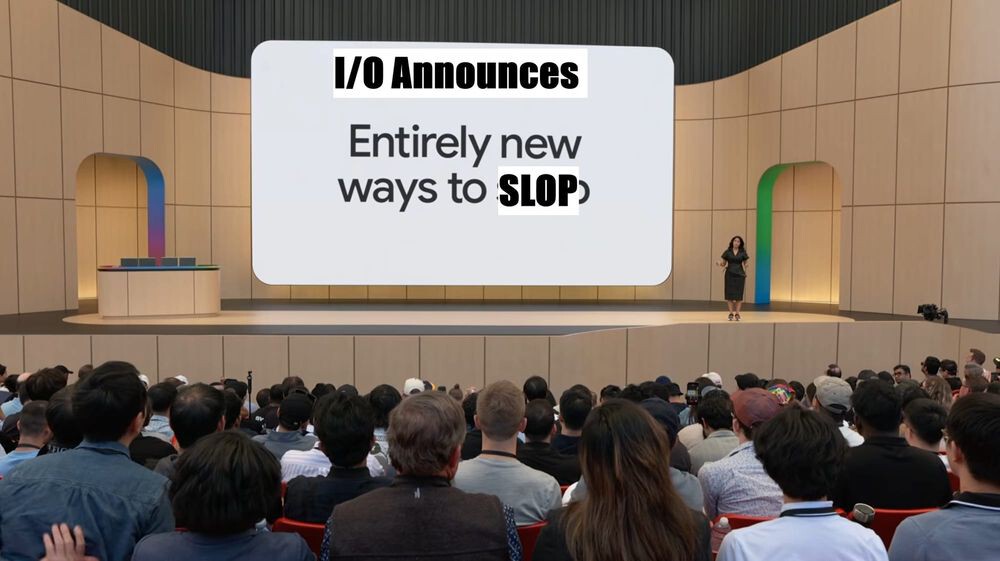
Yet the internal document paints a less flattering picture. Engineers are sharing low-resolution, poorly edited memes that mock the AI's output. These memes are not just jokes; they represent a grassroots critique of the technology's limitations.
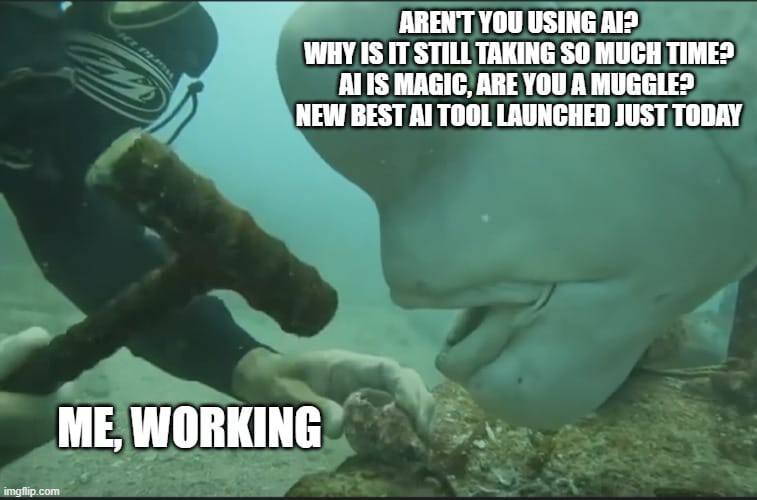
The contrast between public bravado and private mockery highlights a growing tension in the tech world: the pressure to adopt AI clashes with the reality of its shortcomings.

Why Engineers Are Turning to Memes
Memes have long been a way for tech workers to blow off steam and bond over shared frustrations. In this case, the memes target the AI's tendency to produce nonsensical or low-quality results.
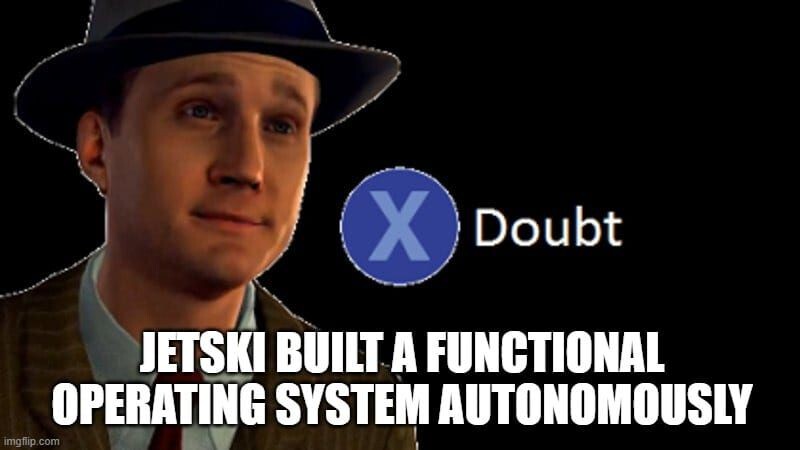
According to the report, engineers favor classic, low-effort memes—often using low-resolution images and crude edits—as a form of satire. The joke is that generative AI can now produce such memes, but the real humor lies in the human-made, intentionally bad aesthetic.
This phenomenon isn't unique to Google. Across the industry, developers are using humor to cope with the gap between AI hype and day-to-day reality.
The 75% Claim Under Scrutiny
Pichai's 75% figure has been repeated in earnings calls and interviews, but it's unclear what exactly counts as "AI-generated." Does autocomplete count? Code snippets? Entire functions?
Engineers' memes suggest that the AI's contributions may be more limited—or more error-prone—than the headline number implies. The internal document reportedly includes examples of AI-generated code that required significant human correction.
This isn't to say AI isn't useful; it can boost productivity for routine tasks. But the memes reveal a skepticism about the quality and reliability of AI-generated code, especially for complex projects.
What This Means for Google's AI Future
Google is betting big on AI, integrating it into search, cloud, and productivity tools. But if its own engineers are mocking the technology, that's a warning sign. The longer history behind the story is traced in Google Engineers Mock AI With Memes, Exposing Internal Doubts.
Internal skepticism could slow adoption or lead to more rigorous testing. It also raises questions about how Google markets AI to customers while its employees joke about its flaws. The background to this story is set out in Private Equity Influencers Use Humor to Mock Industry. A related thread runs through Inside Political Meme Factories: Australia News Exposed. Earlier coverage in Comedy Critics Under Fire: Why Artists Love to Mock Reviewers shows how the argument developed.
The memes are a form of whistleblowing, albeit a humorous one. They suggest that the gap between AI hype and reality is wide enough to drive a truck through—or at least a meme. A closer look at the same subject appears in Google DeepMind CEO Steps Down: AI Leadership Shake-Up. Anyone following the wider picture can start with Ai Video: latest articles. The same theme surfaces in Demis Hassabis Warns AI Control Risk as Tech Race Accelerates, which takes a different angle.
Key Takeaways
- Google engineers are using memes to mock the company's AI, revealing internal doubts.
- CEO Sundar Pichai claims 75% of new code is AI-generated, but the reality may be more nuanced.
- The memes highlight a gap between public hype and private skepticism.
- Similar skepticism exists across the tech industry, where AI adoption is often driven by pressure rather than proven results.
- Google's AI future depends on addressing these concerns and improving quality.
Comparing AI Hype and Reality
| Aspect | Public Claim | Internal Reality (per memes) |
|---|---|---|
| Code Generation | 75% of new code is AI-generated | AI output often requires significant correction |
| Quality | AI boosts productivity | AI can produce nonsensical or low-quality results |
| Adoption | Rapid integration across products | Engineers use humor to cope with limitations |
| Employee Sentiment | Enthusiastic adoption | Skepticism and mockery via memes |
The table above contrasts Google's public messaging with the internal reality suggested by the memes. While the company touts AI's benefits, engineers are quietly documenting its flaws. Context on how this played out before sits in Inside Political Meme Factories and Media Tactics. A companion piece, World Cup Memes: Japan Fans, Beckham, and Viral Moments, approaches the same subject from another angle.
FAQ
What did Google engineers do with memes?
Google engineers created and shared low-quality, classic-style memes that mock the company's AI output, according to an internal document. The memes serve as a form of satire and bonding over shared frustrations with the technology.
Is Google's AI really that bad?
The memes suggest that Google's AI, like many generative AI tools, can produce nonsensical or low-quality results. However, the technology is still useful for certain tasks; the issue is the gap between hype and reality.
Why do engineers use memes to criticize AI?
Memes are a low-risk way to express dissent and cope with frustration. They allow engineers to bond over shared experiences without directly confronting management or risking their jobs.
What does this mean for Google's AI strategy?
Internal skepticism could lead to more rigorous testing and slower adoption. It also signals that Google may need to address quality concerns to maintain trust among employees and customers.
Browse the Shop
 Acacia frida deluxe solid wood bed frame |
Bedroom bench |
Bed chest drawers |
Lingerie dresser |
Frame base |
Mirror with jewelry storage |
30 Bathroom Vanity |
Memory foam queen mattress |
Mattresses for back pain |
Nightstand set of 2 |
Grand Goldman Shop |
Civil Lawyer
Deutschland Trikot WM 2026







