

AI threatens millions of office jobs, but private equity firms have found an unlikely refuge: plumbers and electricians. As artificial intelligence automates white-collar tasks, investors are pouring money into skilled trades, where demand for hands-on work remains strong.
The shift marks a turning point. Until recently, big funds focused on software and AI startups. Now, they are eyeing small businesses like boiler installers, electricians, and air conditioning technicians. The reason is simple: a shortage of qualified labor and a lack of generational replacement.
Find Original, High-end Home Decor that spark conversation at Grand Goldman Shop.
Why AI Can't Fix a Boiler
AI excels at routine cognitive tasks, but it can't repair a leaky pipe or rewire a house. As Bieito Ledo, partner at Roland Berger, told El Mundo: "AI can't change your boiler." This physical reality is driving investment decisions.
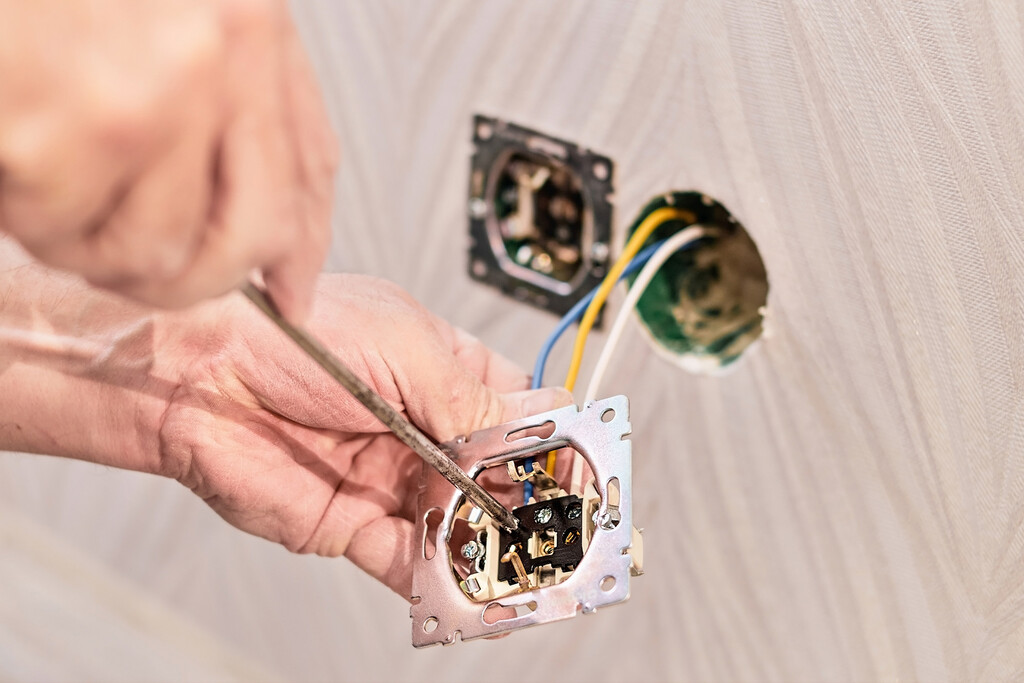
Spanish billionaire José Elías has warned that "AI will wipe out 80% of office work." Meanwhile, Nvidia CEO Jensen Huang sees the flip side: "The big winners in the AI race will be electricians and plumbers." Investors are taking note.
The Skilled Labor Shortage
The demand for skilled tradespeople is soaring, yet the supply is dwindling. An aging workforce and a lack of young people entering the trades have created a gap that AI can't fill. According to Sofía Mendes, partner at Arcano Partners, AI will make the installation sector more efficient, but it won't replace the need for human technicians.
This scarcity is a golden opportunity for investors. Private equity firms are acquiring small trade businesses, consolidating them, and professionalizing their operations. The goal is to capitalize on steady demand and limited competition.
Investment Strategies in the Trades
Funds are not just buying up plumbing companies; they are also investing in training programs and technology to make these businesses more efficient. By doing so, they aim to build scalable platforms in fragmented markets.
The strategy is not without risks. Trades businesses often have thin margins and rely on the expertise of individual technicians. However, the long-term outlook is promising, given the essential nature of the services.
- AI automation is accelerating job displacement in office roles, prompting investors to seek safer havens.
- Skilled trades like plumbing and electrical work are experiencing labor shortages and an aging workforce.
- Private equity is increasingly acquiring and consolidating small trade businesses.
- Physical services cannot be outsourced to AI, making them resilient to technological disruption.
- Investors see long-term value in essential services with steady demand.
Comparing Job Vulnerability to AI
Not all jobs are equally threatened by AI. The table below compares the risk levels of various occupations based on their physical and cognitive demands. The background to this story is set out in Business: latest articles.
| Occupation | AI Displacement Risk | Reason |
|---|---|---|
| Data Entry Clerk | High | Routine cognitive tasks easily automated |
| Customer Service Rep | High | AI chatbots and voice assistants |
| Plumber | Low | Requires physical manipulation and on-site problem-solving |
| Electrician | Low | Hands-on installation and repair |
| HVAC Technician | Low | Complex diagnostics and physical labor |
What This Means for Workers and Investors
For workers, the message is clear: skills that require physical presence and manual dexterity are more future-proof. For investors, the opportunity lies in backing these essential services. A related thread runs through AI Is Minting Millionaires Fast in Silicon Valley — But Many Don't Know What.
As AI continues to reshape the economy, the smart money is on the trades. The funds that recognize this early stand to gain from a sector that is both resilient and in demand. Earlier coverage in Wind Turbine Blade Recycling Breakthrough: Blades Turned Into Asphalt shows how the argument developed. A closer look at the same subject appears in AI Threatens Office Jobs: Private Equity Pivots to Plumbers and Electricians.
FAQ
Why is private equity investing in plumbers and electricians?
Private equity sees skilled trades as a safe investment because AI cannot replace physical labor. With a shortage of qualified workers and an aging workforce, these businesses have steady demand and growth potential.
How is AI affecting office jobs?
AI is automating many routine cognitive tasks, leading to job displacement in office roles such as data entry, customer service, and administrative support. Experts predict millions of jobs could be affected.
What did Jensen Huang say about AI and trades?
Jensen Huang, CEO of Nvidia, stated that "the big winners in the AI race will be electricians and plumbers." He believes that as AI advances, the demand for skilled tradespeople who can build and maintain physical infrastructure will grow.
Are skilled trades a good career choice in the age of AI?
Yes, skilled trades offer job security because they require hands-on work that AI cannot easily replicate. With a growing shortage of tradespeople, these careers offer stable employment and competitive wages.
Browse the Shop
 Acacia frida deluxe solid wood bed frame |
Bedroom bench |
Bed chest drawers |
Lingerie dresser |
Frame base |
Mirror with jewelry storage |
30 Bathroom Vanity |
Memory foam queen mattress |
Mattresses for back pain |
Nightstand set of 2 |
Grand Goldman Shop |
Civil Lawyer
Deutschland Trikot WM 2026







