

China's secret billionaires are rewriting the rules of tech wealth, staying anonymous while amassing fortunes that rival Silicon Valley's biggest names. While American entrepreneurs bask in the spotlight, a new generation of Chinese tycoons chooses discretion, and their低调 approach is producing some of the world's most valuable companies.
Take Zhu Yiming, the engineer who predicted China's dominance in memory chips. Two decades ago, working in Silicon Valley, he wrote an email foreseeing that the global memory business would eventually fall into Chinese hands. Few listened. Today, Zhu is one of China's richest tech moguls, with an estimated fortune of $15.5 billion according to Forbes.
Find Original Home Decor sparking conversation at Grand Goldman Shop.

The Rise of China's Secret Billionaires
Zhu's company, CXMT (ChangXin Memory Technologies), is China's largest DRAM manufacturer. Its recent Shanghai IPO saw shares skyrocket 500% on the first day, pushing its market capitalization past Intel's. That kind of performance would make headlines in the U.S., but in China, it barely made a ripple in the public consciousness.
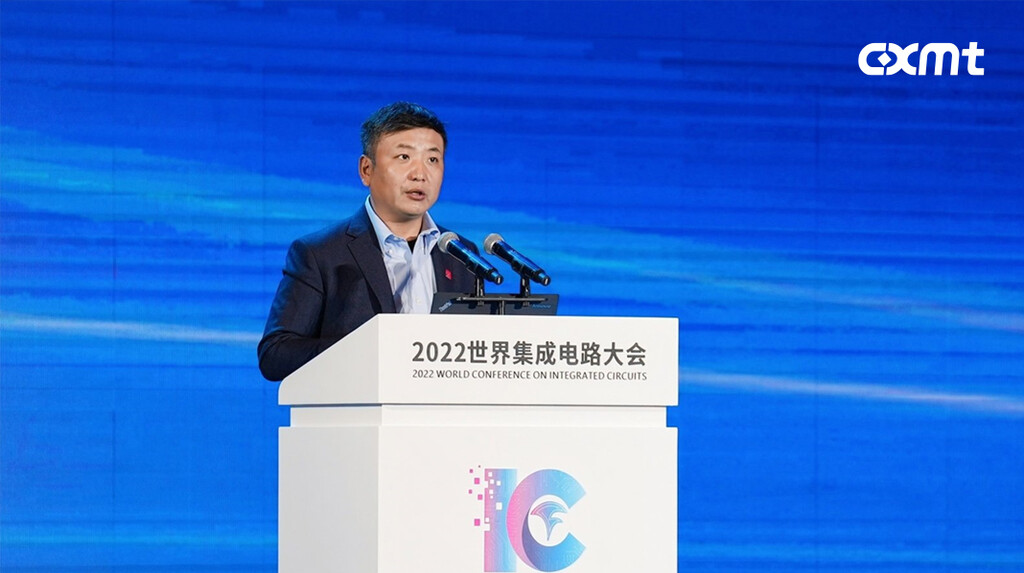
This anonymity is no accident. Unlike their American counterparts, Chinese tech founders deliberately avoid the public eye. They shun interviews, keep low profiles, and let their companies speak for themselves. It's a stark contrast to Silicon Valley, where CEOs are treated like rock stars.

Why Chinese Entrepreneurs Stay Quiet
There are several reasons for this discretion. First, Chinese culture values humility and collective success over individual glory. Second, the political environment encourages entrepreneurs to stay out of the spotlight to avoid unwanted attention. Finally, staying anonymous reduces the risk of backlash or scrutiny in a rapidly changing regulatory landscape.
But don't mistake their silence for weakness. These billionaires are building empires that challenge global leaders. Zhu's CXMT is a prime example: it's not just a chipmaker; it's a symbol of China's technological self-sufficiency.
CXMT: The Company That Shocked the Market
CXMT's IPO was a watershed moment. The company's shares surged 500% on debut, valuing it higher than Intel—a company that has dominated the semiconductor industry for decades. This wasn't just a financial win; it was a statement that China can compete at the highest level.
Zhu's commitment to the company is legendary. In 2018, he pledged not to take a salary until CXMT turned a profit. He kept his word. That kind of dedication is common among China's new tech elite, who often prioritize long-term growth over short-term gains.
The New Wave of Chinese Tech Wealth
Zhu is not alone. A generation of young Chinese entrepreneurs is amassing huge fortunes, moving away from traditional industries like steel, construction, and real estate. Instead, they're building startups in semiconductors, artificial intelligence, and green energy—sectors that are critical to China's future.
These founders share a common trait: they prefer to let their products do the talking. They rarely give interviews, avoid social media, and keep their personal lives private. This anonymity makes it harder for outsiders to gauge their influence, but it also protects them from unwanted scrutiny.
- Anonymity as strategy: Chinese tech billionaires deliberately avoid public attention to reduce risk and maintain focus on long-term goals.
- Shift from traditional industries: New wealth comes from tech sectors like semiconductors and AI, not real estate or manufacturing.
- Global impact: Companies like CXMT are challenging established players like Intel, signaling China's rise in high-tech.
- Cultural and political factors: Humility and regulatory caution drive the低调 approach.
- Long-term commitment: Founders like Zhu Yiming forgo salaries until profitability, showing dedication to their vision.
How China's Secret Billionaires Compare to Silicon Valley
The contrast between Chinese and American tech billionaires is striking. In Silicon Valley, founders become celebrities, with massive social media followings and book deals. In China, the richest tech moguls are virtually unknown to the public. This table illustrates the key differences:
| Aspect | Silicon Valley | China |
|---|---|---|
| Public profile | High—CEOs are celebrities | Low—founders stay anonymous |
| Media engagement | Frequent interviews, social media | Rare, minimal public presence |
| Source of wealth | Software, internet, social media | Hardware, semiconductors, AI |
| Cultural attitude | Individual glory celebrated | Humility and collective success valued |
| Regulatory environment | Relatively stable | Evolving, encourages caution |
This table highlights how the two ecosystems produce different types of leaders. While Silicon Valley's model has its advantages, China's approach is proving equally effective in building massive companies.
What This Means for Global Tech and Investors
The rise of China's anonymous billionaires has significant implications. For one, it signals a shift in global tech leadership. Chinese companies are no longer just copycats; they're innovators in critical fields. Investors should pay attention to these quiet giants, as they could disrupt entire industries. The longer history behind the story is traced in China's AI Engineer Salaries Hit 1 Million Yuan as Tech Giants Battle.
Moreover, the anonymity of these founders makes it harder for competitors to anticipate their moves. Without public pronouncements, rivals must rely on actions rather than words. This unpredictability can be a powerful advantage. The background to this story is set out in AnonIBs: Rise and Fall of Anonymous Image Boards. A related thread runs through Taxing Billionaires: The Key to Saving American Democracy. Earlier coverage in Zhu Rongji Obituary: China’s Economic Reformer Dies at 97 shows how the argument developed.
The Road Ahead for China's Secret Billionaires
As China's tech sector matures, will these billionaires remain in the shadows? Some may eventually step into the light, especially as their companies expand globally. But for now, the preference for privacy persists. It's a defining feature of China's new wealth. A closer look at the same subject appears in Zhang Yiming's Fortune Doubles: The AI Secret Behind ByteDance. Anyone following the wider picture can start with Australian Musicians Rewriting Rules: Kelly-Dawn Hellmrich's New. The same theme surfaces in TikTok's Povvo King Shabaz Ali Takes on Billionaires, which takes a different angle.
For Western observers, understanding this phenomenon is crucial. It's not just about money; it's about a different philosophy of business. Success doesn't have to come with fame. In China, the most powerful people are often the ones you've never heard of. Context on how this played out before sits in Swiss Alps Luxury Bunkers: Billionaires' Underground Fortresses. A companion piece, Trump Hosts Tech Billionaires Awards Party Amid Criticism, approaches the same subject from another angle.
FAQ
Who is Zhu Yiming?
Zhu Yiming is a Chinese engineer and billionaire who founded CXMT, China's largest DRAM manufacturer. He predicted China's dominance in memory chips and is now one of China's richest tech moguls.
Why do Chinese billionaires stay anonymous?
Chinese billionaires often prefer anonymity due to cultural values of humility, political caution in a changing regulatory environment, and a desire to focus on long-term business goals rather than public image.
How did CXMT's IPO perform?
CXMT's IPO on the Shanghai Stock Exchange saw shares surge 500% on the first day, pushing its market capitalization above Intel's. It was a landmark event for China's semiconductor industry.
What industries are China's new billionaires in?
Unlike the previous generation, which made fortunes in steel, construction, and real estate, China's new billionaires are in high-tech sectors like semiconductors, artificial intelligence, and green energy.
Browse the Shop
 Acacia frida deluxe solid wood bed frame |
Bedroom bench |
Bed chest drawers |
Lingerie dresser |
Frame base |
Mirror with jewelry storage |
30 Bathroom Vanity |
Memory foam queen mattress |
Mattresses for back pain |
Nightstand set of 2 |
Grand Goldman Shop |
Civil Lawyer
Deutschland Trikot WM 2026







