

The European Central Bank (ECB) has chosen a consortium led by Telefónica and Minsait, the technology arm of Indra Group, to develop a key part of the digital euro infrastructure. This move brings the long-discussed digital euro one step closer to reality.
The digital euro has been on the ECB's agenda for years, but now the practical requirements are becoming clearer. The central bank aims to be ready for a possible first issuance in 2029, provided the necessary European legislation is approved in time. It's not just about greenlighting a new form of money; the technological infrastructure that would enable its use must also be built. This is a task that involves numerous participants, and two Spanish companies have just secured a prominent role.
Find Original Home Decor sparking conversation at Grand Goldman Shop.

Telefónica and Minsait Secure Key ECB Contract
Telefónica and Minsait have formed a consortium that the ECB has selected to deploy and operate a secure communications infrastructure. This infrastructure will connect the digital euro platform with banks and other payment service providers. The contract with the Spanish companies is set to begin on May 3, 2027, and will last for ten years.
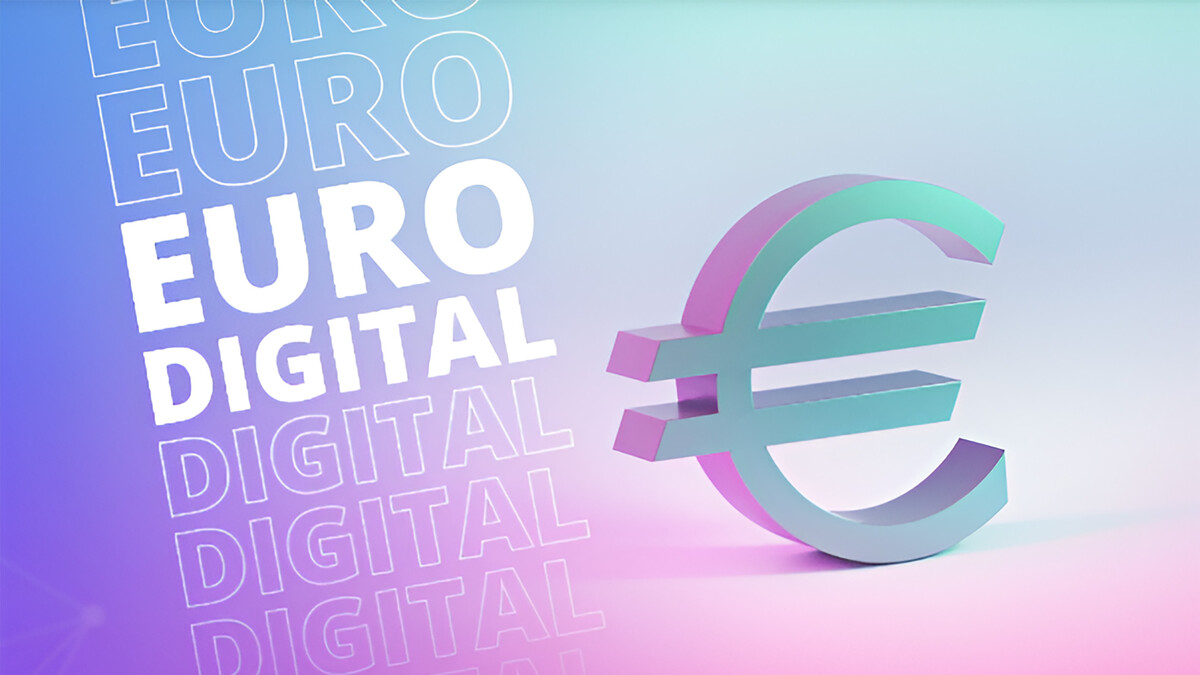
The ECB has also selected a consortium formed by Nexi Payments and Deutsche Telekom Business Solutions. That contract is already in force and will initially cover the needs of the pilot program. The parallel selection underscores the ECB's phased approach to building the digital euro ecosystem.
What the Digital Euro Infrastructure Entails
To understand the scale of the project, it's important to distinguish between paying digitally and using central bank digital currency. When we make a purchase with a card, we are using commercial bank money, not central bank money. The digital euro would be a direct liability of the ECB, much like physical cash, but in digital form.
The infrastructure being developed by Telefónica and Minsait will ensure that transactions are secure and reliable. It will connect the ECB's core platform to the broader financial system, enabling banks and payment providers to offer digital euro services to their customers. This requires robust communication networks and stringent security protocols.
Key Components of the Digital Euro Infrastructure
- Secure communications network linking the ECB platform to financial institutions.
- High availability and resilience to handle large transaction volumes.
- Data protection and privacy measures to safeguard user information.
- Interoperability with existing payment systems and infrastructures.
- Scalability to accommodate future growth and new use cases.
Why This Matters for the Future of Payments
The digital euro represents a significant shift in how central bank money could be used in a digital economy. It aims to provide a secure and efficient means of payment that complements cash and commercial bank deposits. For consumers, it could mean more choice and potentially lower transaction costs. For businesses, it could streamline cross-border payments and reduce reliance on non-European payment providers.
The involvement of Telefónica and Minsait highlights the role of European technology companies in building critical financial infrastructure. It also signals the ECB's commitment to ensuring that the digital euro is developed with European expertise and values, including privacy and security.
Telefónica and Indra: A Strategic Win for Spanish Tech
For Telefónica and Indra, this contract is a strategic win. It positions them at the heart of one of the most ambitious financial projects in Europe. Telefónica brings extensive experience in telecommunications and secure networks, while Minsait contributes expertise in digital transformation and payment systems. Together, they are well-placed to deliver the infrastructure needed for the digital euro.
The ten-year duration of the contract, starting in 2027, suggests that the ECB is planning for the long term. It also indicates that the digital euro, if approved, will be a permanent fixture in the European financial landscape. The pilot program, covered by the Nexi and Deutsche Telekom consortium, will provide valuable insights before the full rollout. The background to this story is set out in The Chosen in the Wild with Bear Grylls Review: A Radical Take on. A related thread runs through The Chosen in the Wild with Bear Grylls Review: A Radical Faith. Earlier coverage in Telefónica, Deutsche Telekom, Orange, Vodafone Unite for Starlink Alternative shows how the argument developed.
Challenges and Considerations Ahead
Despite the progress, several challenges remain. The digital euro requires legislative approval from the European Union, and the timeline for that is uncertain. There are also concerns about privacy, financial stability, and the impact on commercial banks. The ECB has been keen to address these issues through design choices, such as limiting holdings and ensuring offline functionality. A closer look at the same subject appears in Revolut Launches EURR Stablecoin: A New Era for Digital Euro Payments. Anyone following the wider picture can start with Business: latest articles. The same theme surfaces in Greener Front Gardens Cut Air Pollution and Summer Heat, which takes a different angle.
The technical infrastructure is just one piece of the puzzle. The success of the digital euro will depend on widespread adoption by consumers and merchants, as well as cooperation from financial institutions. The involvement of established players like Telefónica and Indra is a positive sign, but it will take a collective effort to bring the digital euro to life. Context on how this played out before sits in South West Water Owner Pennon Taps Investors for Sewage Spills Fix. A companion piece, Save Hammersmith Bridge and Keep It Free of Cars, approaches the same subject from another angle.
FAQ
What is the digital euro?
The digital euro is a proposed central bank digital currency (CBDC) issued by the European Central Bank. It would be a digital form of cash, available to consumers and businesses, and would complement physical cash and commercial bank deposits.
Why did the ECB choose Telefónica and Indra?
The ECB selected a consortium of Telefónica and Minsait (Indra Group) to deploy and operate secure communications infrastructure for the digital euro. Their expertise in telecommunications and digital transformation made them a strong choice for this critical component.
When will the digital euro be available?
The ECB aims to be ready for a possible first issuance in 2029, but this depends on the necessary European legislation being approved in time. The infrastructure contract with Telefónica and Indra starts in 2027 and lasts for ten years.
How does the digital euro differ from existing digital payments?
Unlike card payments or online transfers, which use commercial bank money, the digital euro would be a direct liability of the ECB, just like physical cash. This means it would be a risk-free form of digital money.
Browse the Shop
 Acacia frida deluxe solid wood bed frame |
Bedroom bench |
Bed chest drawers |
Lingerie dresser |
Frame base |
Mirror with jewelry storage |
30 Bathroom Vanity |
Memory foam queen mattress |
Mattresses for back pain |
Nightstand set of 2 |
Grand Goldman Shop |
Civil Lawyer
Deutschland Trikot WM 2026







