

Microsoft stock has plunged nearly 23% in the first quarter of 2026, marking its worst quarterly performance since the 2008 financial crisis. The sharp decline has erased almost a quarter of the company's market value and raised serious questions about the strategic direction of a tech giant long seen as a safe bet.
While the drop itself is alarming, the deeper issue is that Microsoft has been making a series of questionable decisions that are now catching up with it. The company's legendary cloud pivot under Satya Nadella, which once propelled it to a trillion-dollar valuation, seems to be losing its shine. Investors are no longer giving Microsoft the benefit of the doubt.
Find Original Home Decor sparking conversation at Grand Goldman Shop.

How Microsoft Lost Its Way
When Satya Nadella took over in 2014, he bet big on cloud computing with Azure. That bet paid off spectacularly, driving record revenues and proving Microsoft could thrive beyond Windows. By 2019, the company had joined the trillion-dollar club, and its strategy was the envy of the tech world.
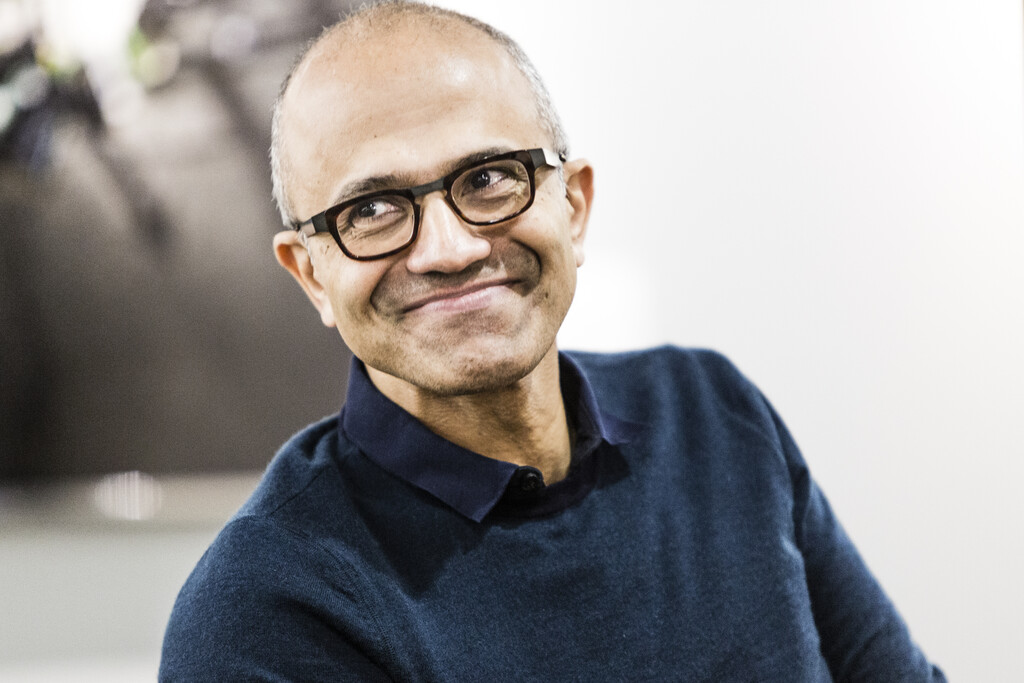
But even the most forward-thinking leaders can stumble. In recent years, Microsoft has made a string of debatable moves—from costly acquisitions to product missteps—that have dented its financial results. The latest quarterly report showed slowing growth in key segments, and the market reacted harshly.
The 23% stock drop is not just a reaction to one bad quarter; it's a cumulative verdict on a company that seems to have lost its strategic clarity. Investors are now questioning whether Microsoft can maintain its dominance in an increasingly competitive landscape.
The Market's Selective Punishment
What's particularly telling is that the market's punishment has been selective. While Microsoft has been hit hard, other tech giants have fared better. This suggests that investors are not simply fleeing the sector but are specifically losing confidence in Microsoft's ability to execute.
In the first quarter of 2026, Microsoft's stock fell nearly 23%, while the broader tech index saw a much smaller decline. This divergence indicates that Microsoft's problems are company-specific, not just a sector-wide downturn.
Analysts point to several factors: slower-than-expected Azure growth, rising competition in AI, and a lack of clear innovation in consumer products. The company that once defined the future of computing now appears to be playing catch-up.
Key Takeaways for Investors
- Worst quarterly performance since 2008: Microsoft lost about 23% of its value in Q1 2026, erasing nearly a quarter of its market cap.
- Strategic missteps are mounting: From cloud growth slowdowns to AI competition, Microsoft's decision-making is under scrutiny.
- Market reaction is selective: The drop is not just sector-wide; investors are specifically punishing Microsoft.
- Azure's shine is fading: Once the growth engine, Azure now faces intense competition and slowing adoption.
- Leadership under pressure: Satya Nadella's long-term vision is being questioned as never before.
Microsoft's Stock Performance vs. Peers
To understand the magnitude of Microsoft's decline, it's helpful to compare its recent performance with that of its peers. The table below shows the stock performance of major tech companies over the same period.
| Company | Q1 2026 Stock Change | Market Cap (approx.) |
|---|---|---|
| Microsoft | -23% | $2.5 trillion |
| Apple | -5% | $3.0 trillion |
| Google (Alphabet) | -7% | $2.0 trillion |
| Amazon | -9% | $1.8 trillion |
As the table illustrates, Microsoft's decline is significantly steeper than that of its closest rivals. This suggests that the company's issues are internal rather than purely macroeconomic.
What Went Wrong?
Several factors have contributed to Microsoft's recent troubles. First, the growth of Azure has slowed more than expected, as competition from Amazon Web Services and Google Cloud intensifies. Second, Microsoft's foray into AI, while promising, has yet to translate into significant revenue gains.
Third, the company has faced criticism for its handling of product transitions, such as the shift to subscription-based models for Office and Windows. While these moves have boosted recurring revenue, they have also alienated some customers.
Finally, Microsoft's acquisition strategy has come under fire. The purchase of Activision Blizzard for $68.7 billion was seen by many as overpriced and strategically questionable, especially as the gaming industry faces headwinds.
What to Watch Next
Investors will be closely watching Microsoft's next earnings report for signs of stabilization. Key metrics include Azure growth rates, AI revenue contributions, and guidance for the coming quarters. The background to this story is set out in Nadella Warns AI Value Concentration Threatens Political Economy. A related thread runs through Nadella Warns Society Won't Tolerate AI Monopoly by a Few Firms. Earlier coverage in Nadella on AI: Why Your Data Should Belong to You shows how the argument developed.
The company's ability to innovate in areas like quantum computing and mixed reality could also sway sentiment. However, without a clear turnaround plan, the stock may remain under pressure. A closer look at the same subject appears in Satya Nadella: Assume All AI Models Are Compromised and Act. Anyone following the wider picture can start with Satya Nadella: The Lump of Labor Fallacy and AI Job Impact. The same theme surfaces in Nadella Warns AI Bubble: Without Broad Economic Growth, It Won't End Well, which takes a different angle.
For now, Microsoft's legendary resilience is being tested. The company that once seemed invincible must prove it can adapt and execute—or risk further erosion of investor trust. Context on how this played out before sits in IBM Stock Plunges 25% as AI Spending Shift Hits Profits. A companion piece, CMF Phone 3 Pro Cancellation Exposes Deeper Memory Crisis, approaches the same subject from another angle.
FAQ
Why did Microsoft stock drop 23% in Q1 2026?
The drop was driven by slower Azure growth, rising competition in AI, and a series of strategic missteps that have eroded investor confidence. It was the worst quarterly performance since 2008.
Is this drop just part of a broader tech selloff?
No, the decline is largely company-specific. While other tech giants saw modest declines, Microsoft's stock fell much more sharply, indicating that investors are specifically punishing Microsoft's performance.
What does this mean for Satya Nadella's leadership?
Nadella's long-term vision is being questioned as never before. While he remains respected, the recent missteps have led some to wonder if fresh leadership is needed to navigate the next phase.
Should investors buy the dip?
That depends on your risk tolerance and belief in Microsoft's ability to turn things around. The company still has strong fundamentals, but without a clear catalyst, the stock could remain volatile.
Browse the Shop
 Acacia frida deluxe solid wood bed frame |
Bedroom bench |
Bed chest drawers |
Lingerie dresser |
Frame base |
Mirror with jewelry storage |
30 Bathroom Vanity |
Memory foam queen mattress |
Mattresses for back pain |
Nightstand set of 2 |
Grand Goldman Shop |
Civil Lawyer
Deutschland Trikot WM 2026







