

Spain's absenteeism rate is often cited as one of the highest in Europe, but the truth is more nuanced: absenteeism laboral (workplace absenteeism) is defined differently across countries, making direct comparisons misleading. The 7.6% figure for Spain's active population not attending work should concern us, as these absences translate into lost productive capacity. Yet employer associations and politicians have used such data to criminalize the entire workforce through semantics. In its generic sense, absenteeism implies a worker does not show up to work, but it leaves out the reason for that absence.
Before assigning blame, we should ask a simple question: what exactly is absenteeism? The answer is not as obvious as it seems. Much of the debate depends on it, because if we compare Spain's data with the rest of Europe, "absenteeism" does not mean the same thing in Germany, France, or Spain—so these figures could be, at the very least, misleading.
Find Original Home Decor sparking conversation at Grand Goldman Shop.

A Catch-All for Every Reason
For official statistics, absenteeism is any failure by the worker to show up to their post, regardless of whether there is justification. That includes medical leave granted by authorized medical personnel, birth permits, childcare permits, union hours, paid leave for weather reasons, personal days, and even vacations.
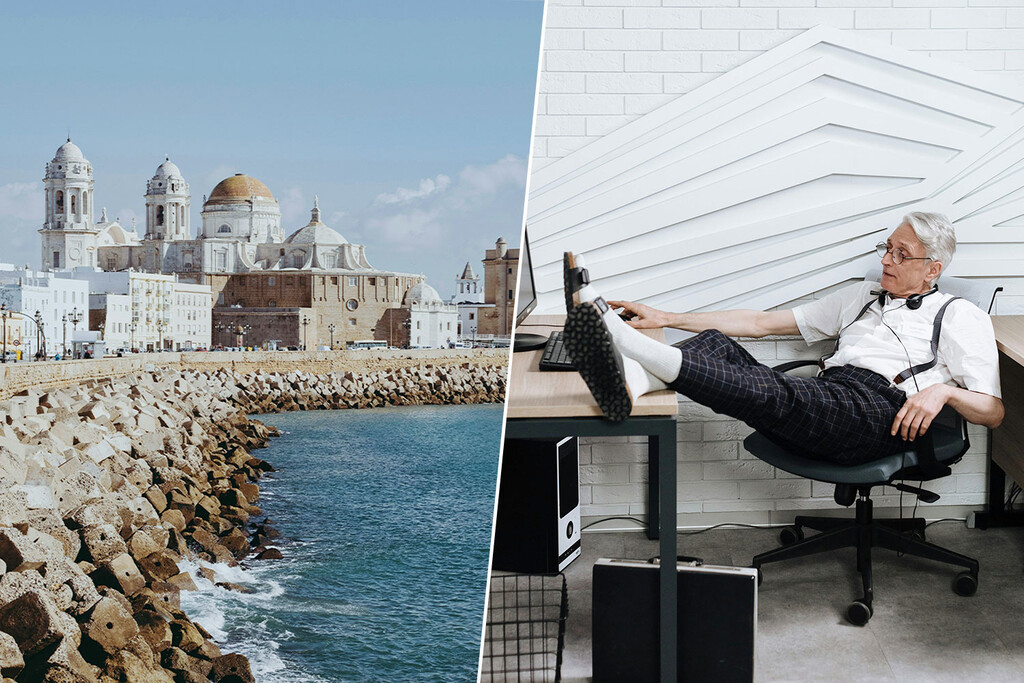
Of course, in the statistics used to compare countries, the treatment of these categories varies. Some countries count only unexcused absences; others include all paid leave. This definitional gap is the crux of the problem.
Why Definitions Matter for Cross-Country Comparisons
When Spain reports a 7.6% absenteeism rate, it is including a broad range of absences that other countries might exclude. For example, Germany's statistics may focus on sick leave only, while France might separate vacation from absenteeism. As a result, Spain appears to have a higher rate simply because its definition is wider.
This is not to say that Spain's absenteeism is low—only that the comparison is flawed. Without harmonized definitions, any ranking is suspect.
Key Takeaways
- Absenteeism definitions vary widely across Europe, making rankings unreliable.
- Spain's 7.6% rate includes justified absences like medical leave and vacations.
- Politicians and employer groups often use broad definitions to criticize workers.
- Harmonized data is needed for accurate cross-country comparisons.
- Understanding the definition is crucial before drawing conclusions.
How Countries Define Absenteeism: A Comparison
The table below illustrates how different European countries might categorize various types of absence. Note that these are illustrative based on common statistical practices, not exact figures from the source.
| Type of Absence | Spain (broad definition) | Germany (narrow definition) | France (mixed) |
|---|---|---|---|
| Medical leave | Included | Included | Included |
| Vacation | Included | Excluded | Excluded |
| Union hours | Included | Excluded | Partially included |
| Childcare permits | Included | Included | Included |
| Personal days | Included | Excluded | Excluded |
As the table shows, Spain's broad definition captures more categories, inflating its absenteeism rate relative to countries with narrower definitions.
The Real Impact on Productivity
Absences do cost productivity, but not all absences are equal. Medical leave and vacation are planned and can be managed; unexcused absences are more disruptive. By lumping them together, the statistics obscure the real issues.
Moreover, a focus on absenteeism rates can distract from underlying problems like workplace safety, employee burnout, and inadequate childcare policies. These are the factors that truly drive unplanned absences. The background to this story is set out in Spain Opens the Black Box of Workplace Algorithms. A related thread runs through China Deploys Thousands of Delivery Robots Across Europe. Earlier coverage in Business: latest articles shows how the argument developed.
What to Watch Next
As the debate continues, watch for efforts to harmonize absenteeism definitions across Europe. The European Union has been working on standardized labor statistics, but progress is slow. In the meantime, be skeptical of headlines that rank countries without explaining their definitions. A closer look at the same subject appears in Mercadona Firing Upheld: 7,685 Personal Web Visits at Work. Anyone following the wider picture can start with AI Begins to Leave Its Mark on Spanish Unemployment. The same theme surfaces in Spain's Gen Z Is Studying and Working: The Rise of 'Sisi' Youth, which takes a different angle.
For workers and employers alike, the key is to focus on the reasons behind absences and address root causes. Only then can we have a meaningful conversation about productivity and well-being. Context on how this played out before sits in Four words that change what a statistic means: the edit most readers. A companion piece, Spain Absenteeism Rate in Europe: Why Definitions Skew the Data, approaches the same subject from another angle.
FAQ
What is absenteeism laboral?
Absenteeism laboral, or workplace absenteeism, refers to any instance where an employee does not show up to work. However, definitions vary: some include all justified and unjustified absences, while others count only unexcused ones.
Is Spain really the country with the most absenteeism in Europe?
Not necessarily. Spain's high rate (7.6%) is partly due to a broad definition that includes vacations, medical leave, and other justified absences. Other countries use narrower definitions, making direct comparisons misleading.
Why do definitions of absenteeism differ across countries?
Each country's statistical agency follows its own labor laws and reporting standards. Some focus on sick leave, others on all absences. Without harmonization, cross-country rankings are unreliable.
What can be done to improve absenteeism data?
The EU is working on standardizing labor statistics, but progress is slow. In the meantime, researchers and policymakers should clearly state definitions when comparing countries and avoid sensationalist rankings.
Browse the Shop
 Acacia frida deluxe solid wood bed frame |
Bedroom bench |
Bed chest drawers |
Lingerie dresser |
Frame base |
Mirror with jewelry storage |
30 Bathroom Vanity |
Memory foam queen mattress |
Mattresses for back pain |
Nightstand set of 2 |
Grand Goldman Shop |
Civil Lawyer
Deutschland Trikot WM 2026







