

Economy class sleep solutions are finally getting attention as airlines acknowledge that long-haul comfort in coach is a real problem. We've all been there: cramped seats, minimal legroom, and a posture that rarely invites rest. That discomfort isn't a minor detail—it's part of the flying experience for most travelers. And that's exactly where some airlines are starting to explore fixes within the economy cabin itself.
If we look at the opposite end, the benchmark for absolute comfort has often been set by airline campaigns. Emirates' ad with Jennifer Aniston illustrates it well, moving from a cabin with no standout services to a private suite with a fully flat bed—the premium extreme. That proposition doesn't just improve comfort; it completely redefines life on board.
Find Original Home Decor sparking conversation at Grand Goldman Shop.

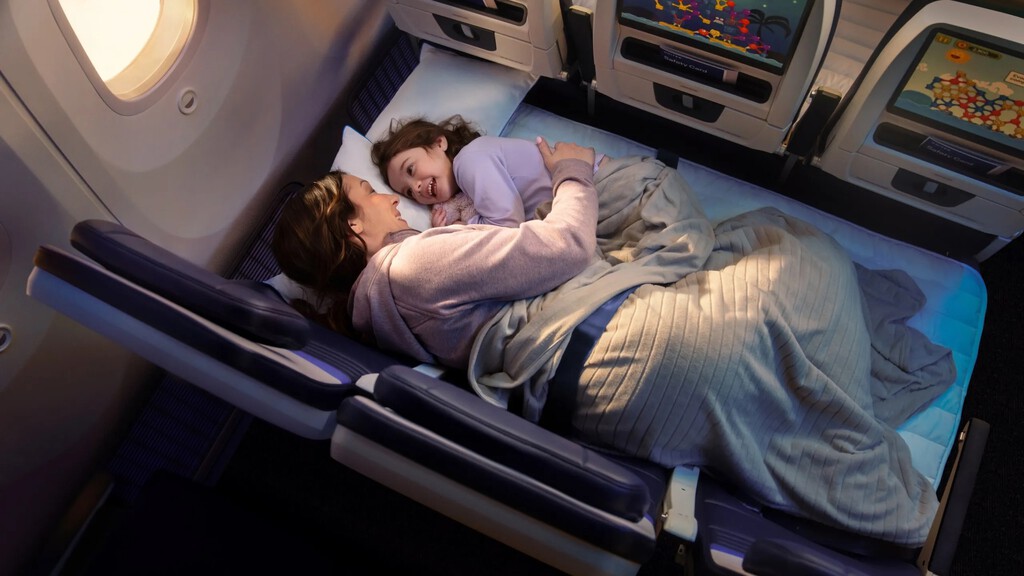
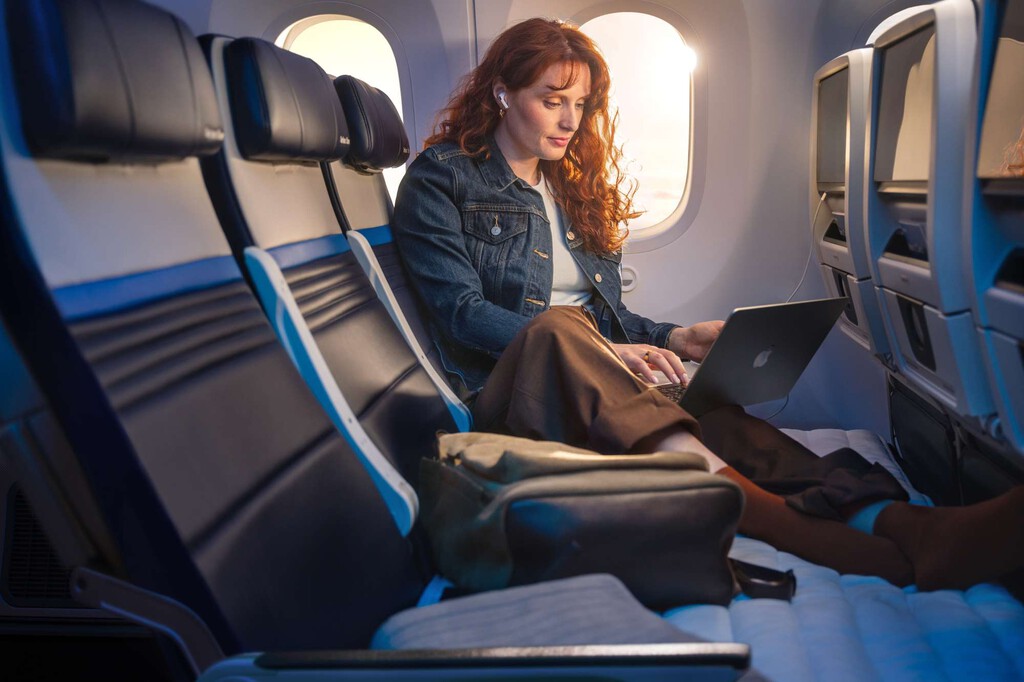
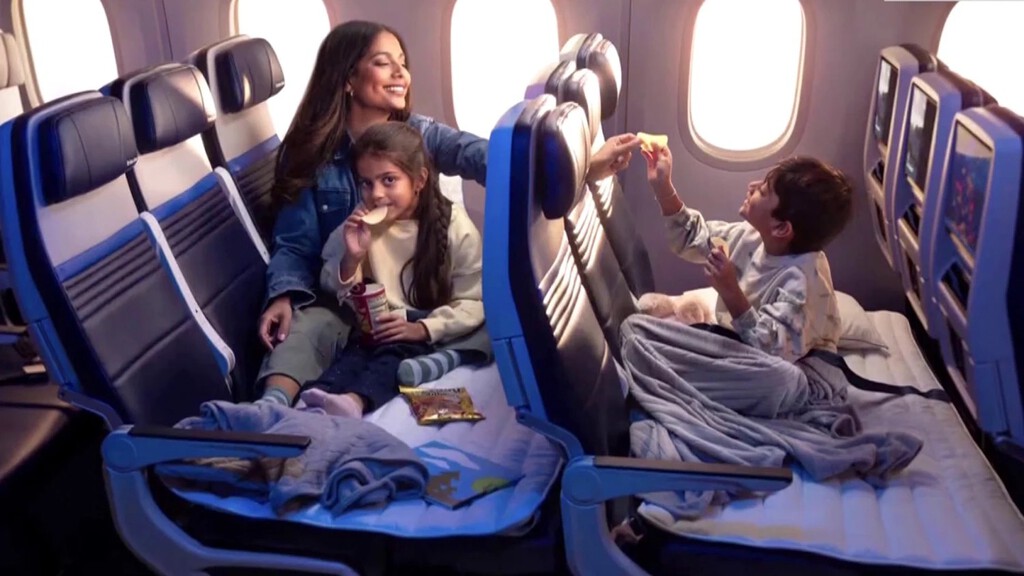
And that's where we start to see concrete moves. United just announced a proposal of this type with its so-called Relax Row, an option within its own economy class that aims precisely to alleviate that problem. The company describes it as a specific row that, once in flight, can be adapted to stretch out or rest with a bit more space. The airline expects to launch it in 2027, positioning it in...
Why Economy Class Sleep Is Such a Challenge
Sleeping in economy on a long-haul flight often means accepting a clear toll: sleeping poorly or not at all. Seats are narrow, legroom is limited, and the upright position isn't conducive to rest. For many passengers, this isn't just an inconvenience—it's a health and wellness issue that can affect jet lag recovery and overall travel experience.
Airlines have long focused on premium cabins for innovation, but the economy segment carries the majority of passengers. That's why any improvement here has a broad impact. The challenge is doing it without sacrificing too many seats or raising prices beyond what economy travelers can afford.
United's Relax Row: What We Know So Far
United's Relax Row is designed as a flexible row within economy that can be reconfigured after takeoff to allow passengers to stretch out or lie down. Details are still scarce, but the concept suggests a multi-use space that could be booked as an add-on or allocated to certain passengers. The airline plans to introduce it in 2027, which gives time to refine the design and address operational concerns.
This isn't the first attempt at improving economy comfort. Some airlines have experimented with couch-style seats or bid-for-upgrade systems that allow passengers to claim empty rows. But Relax Row appears to be a more structured approach, potentially involving removable armrests or extendable leg rests. The key will be balancing space with revenue—every row converted to a rest area is a row not sold as a standard seat.
Other Airlines Exploring Similar Concepts
United isn't alone. Other carriers are also looking at ways to make economy more restful. Air New Zealand's Skynest, for example, offers sleeping pods for economy passengers on ultra-long-haul routes, though it's a separate area rather than a converted row. Qantas has also hinted at rest zones for economy on its Project Sunrise flights. These initiatives show that airlines recognize the demand for better rest options in coach.
The trend is clear: as flights get longer, the need for comfortable sleep in economy becomes more pressing. Airlines that ignore it risk losing passengers to competitors that offer better solutions. However, implementing these features requires careful planning, from safety regulations to crew training.
What This Means for Travelers
For now, economy class sleep solutions are still in development, but they signal a shift in how airlines view the coach experience. Travelers can expect more options to pay for extra comfort, whether it's a convertible row, a sleeping pod, or simply a seat with more recline. The key is to stay informed about which airlines offer what, especially on long-haul routes.
As these concepts roll out, they could also influence pricing strategies. If Relax Row is popular, other airlines may follow suit, leading to a new tier of economy comfort. Passengers will need to weigh the cost against the benefit, but for many, a good night's sleep on a long flight is priceless.
Challenges and Considerations
Implementing economy sleep solutions isn't without hurdles. Safety regulations must be met, especially regarding seatbelt usage during turbulence. Crews need to manage the conversion of rows and ensure that emergency procedures aren't compromised. There's also the question of fairness—will these options be available to all passengers or only those willing to pay extra?
Additionally, the space required for a lie-flat row means fewer seats overall, which could affect ticket prices. Airlines must find a balance that keeps economy affordable while offering meaningful improvements. The success of these initiatives will depend on passenger feedback and operational efficiency.
What to Watch Next
Keep an eye on United's 2027 launch of Relax Row and any pilot programs that may precede it. Other airlines' announcements will also be telling—if major carriers adopt similar features, it could become a standard offering in economy. For travelers, the best approach is to research options when booking long-haul flights and consider whether an upgrade or add-on is worth it for your comfort.
The conversation around economy class sleep is just beginning, but it's a welcome change from the status quo. As airlines compete for passenger loyalty, improvements in coach could become a differentiator. We'll be watching closely to see how these ideas evolve from concept to reality. The longer history behind the story is traced in Economy Class Sleep Solutions: Airlines Test New Rest Options.
For those concerned about the materials used in everyday products, a recent report from Finland shows that rubber playgrounds may be less healthy than previously thought, which raises questions about material safety in public spaces. Similarly, the push for better sleep in economy reflects a growing awareness of how design affects our well-being. As we demand more from our travel experiences, it's worth considering how other industries are responding to health concerns. The background to this story is set out in Economy Class Shrinking? Why Airlines Favor Premium Seats. A related thread runs through Car: latest articles. Earlier coverage in Lufthansa Cuts Economy Cleaning to Save Costs: What Travelers Should Know shows how the argument developed.
In the realm of product safety, the Finlandia case highlights the importance of scrutinizing the materials we encounter daily. Just as airlines are rethinking economy class, other sectors are being forced to adapt to new evidence. This cross-industry trend suggests that consumer expectations for health and comfort are rising across the board. A closer look at the same subject appears in Volotea's Fuel Surcharge: How the Strait of Hormuz Crisis Raises Ticket Prices. Anyone following the wider picture can start with Airbus A350-1000 First Class: Double Bed and Private Bathroom. The same theme surfaces in Spain's 100 Million Tourist Goal Threatened by US Travel Slump, which takes a different angle.
When it comes to travel comfort, the innovations in economy class are part of a broader movement toward better design. Whether it's a convertible row or a sleeping pod, these solutions aim to address a universal need. As travelers, we can advocate for such improvements by supporting airlines that prioritize passenger well-being. Context on how this played out before sits in News Quiz: Long-Haul Flights, Changing Lights, Turkish Cats. A companion piece, Cricket Ball Split: Robinson and Tongue's Five-Wicket Haul, approaches the same subject from another angle.
Browse the Shop
 Acacia frida deluxe solid wood bed frame |
Bedroom bench |
Bed chest drawers |
Lingerie dresser |
Frame base |
Mirror with jewelry storage |
30 Bathroom Vanity |
Memory foam queen mattress |
Mattresses for back pain |
Nightstand set of 2 |
Grand Goldman Shop |
Civil Lawyer
Deutschland Trikot WM 2026







