

The new Madrid F1 circuit has drawn unanimous criticism from fans, drivers, and commentators, who label it horrible. The backlash comes after Madrid's return to Formula 1 for the first time in 45 years, evoking memories of the legendary 1981 Jarama race where the top five finishers crossed the line within one second.
Madrid had long aspired to host a Grand Prix again, and the city and regional government pursued the goal with determination. However, the chosen venue—a street circuit in the capital—has sparked widespread disapproval. Critics argue that the layout fails to deliver exciting racing and that the logistical challenges of a urban circuit outweigh the benefits.
Find Original, High-end Home Decor that spark conversation at Grand Goldman Shop.
Why Madrid Couldn't Use the Jarama Circuit
The historic Jarama circuit, once a beloved venue, is now impractical for modern Formula 1. The track is too narrow for today's wider cars, and the technical infrastructure required by F1 cannot be accommodated within its confines. Moreover, the surrounding residential areas make crowd management a logistical nightmare, as seen with the Formula E races in the city.

Given these constraints, Madrid faced two options: build a new permanent circuit on the outskirts with modern facilities and access, or create a street circuit. The idea of racing through Madrid's iconic center—past landmarks like the Puerta de Alcalá and Recoletos—was considered but ultimately dismissed due to environmental and logistical concerns.

The Allure and Challenge of a Street Circuit
Only Monaco can pull off a truly central street circuit, and even then, its prestige owes more to tradition than on-track spectacle. For Madrid, the decision to go urban was a gamble that has not paid off in the eyes of many. The circuit's design has been criticized for lacking flow and overtaking opportunities, while the proximity to city life creates noise and disruption for residents.
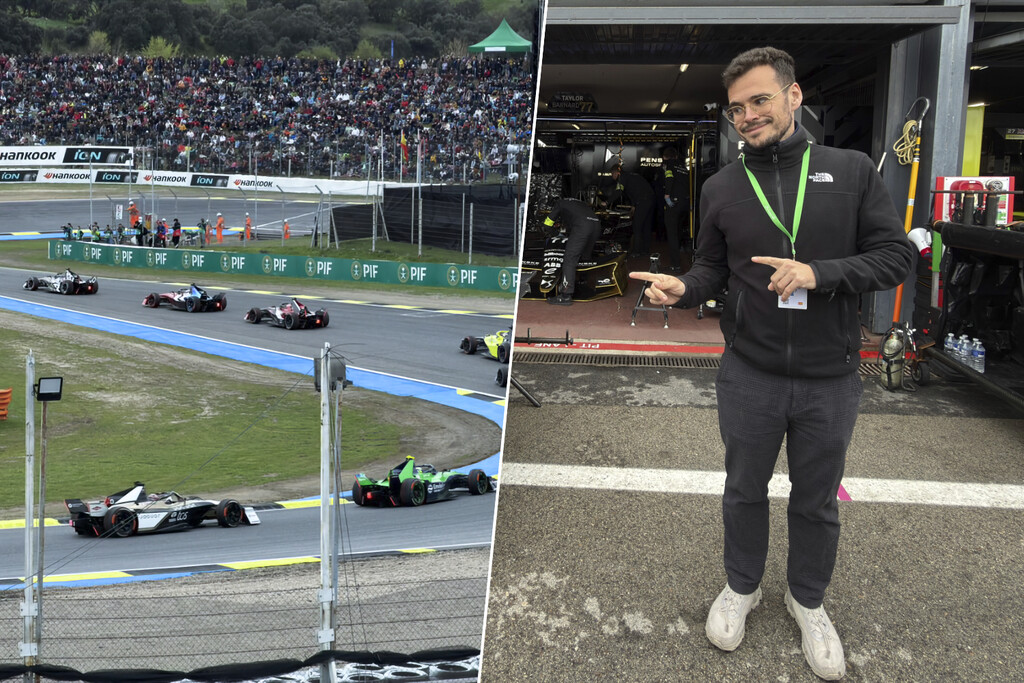
Fans have taken to social media to express their disappointment, with some calling the layout "boring" and "predictable." Drivers have also voiced concerns about safety and the quality of racing, while commentators have questioned the wisdom of placing a Grand Prix in such a constrained environment.
Key Criticisms of the Madrid F1 Circuit
- Narrow layout: The track's tight corners and limited width make overtaking difficult, leading to processional races.
- Lack of character: Unlike classic street circuits, the Madrid layout lacks defining features that create iconic moments.
- Logistical strain: Hosting tens of thousands of spectators in a urban setting strains infrastructure and disrupts daily life.
- Environmental impact: Noise and air pollution from the event raise concerns among local residents and activists.
- Safety questions: Barriers are close to the track, leaving little room for error and increasing the risk of accidents.
Comparing Madrid to Other F1 Venues
To understand the criticism, it's helpful to compare Madrid's circuit with other notable F1 tracks. The table below highlights key differences in layout, location, and fan experience.
| Circuit | Type | Location | Overtaking Opportunities | Fan Accessibility |
|---|---|---|---|---|
| Madrid | Street | Urban | Limited | Challenging |
| Jarama (historic) | Permanent | Outskirts | Moderate | Good |
| Monaco | Street | Urban | Very limited | Difficult |
| Silverstone | Permanent | Rural | High | Excellent |
As the comparison shows, Madrid's circuit shares more in common with Monaco in terms of constraints, but without the glamour and history that justify Monaco's place on the calendar. Permanent circuits like Silverstone offer better racing and fan experiences, which is why many argue Madrid should have followed that model. The background to this story is set out in Indian Celebrities Criticized for Silence on Cockroach Protests. A related thread runs through Australia and Turkey Criticized for Hosting COP31 Climate Talks. Earlier coverage in Trump New Tariffs Criticized as End-Run Around Supreme Court shows how the argument developed.
What This Means for the Future of the Madrid Grand Prix
The unanimous criticism puts pressure on organizers to rethink the circuit layout or risk tarnishing Madrid's reputation as a host city. If the racing fails to improve, ticket sales could suffer, and the event's long-term viability may be questioned. The city has invested heavily in bringing F1 back, and a poorly received circuit could undermine those efforts. A closer look at the same subject appears in Cycling Safety Crisis: UCI Criticized After Fin Tarling Death. Anyone following the wider picture can start with Japanese Grand Prix Looms Large in Busy F1 Season Start. The same theme surfaces in Car: latest articles, which takes a different angle.
Moreover, the backlash highlights the challenges of staging street races in major cities. While they offer iconic backdrops, the compromises required often lead to subpar racing and logistical headaches. Madrid's experience could serve as a cautionary tale for other cities considering similar ventures. Context on how this played out before sits in Kimi Antonelli Eyes F1 Title at Bumpy Austin Circuit. A companion piece, Madrid F1 Circuit Criticized by Fans, Drivers, and Pundits, approaches the same subject from another angle.
FAQ
Why is the Madrid F1 circuit so criticized?
The circuit is criticized for its narrow layout, lack of overtaking opportunities, and logistical challenges. Fans, drivers, and commentators feel it fails to deliver exciting racing and disrupts city life.
Could Madrid have used the Jarama circuit instead?
No, Jarama is too narrow for modern F1 cars and lacks the infrastructure to host a Grand Prix. The surrounding residential areas also make crowd management difficult.
How does the Madrid circuit compare to Monaco?
Both are street circuits with limited overtaking, but Monaco's prestige and history justify its place. Madrid lacks those intangibles, making its shortcomings harder to accept.
What can be done to improve the Madrid F1 circuit?
Organizers could consider redesigning sections to widen corners and create more overtaking zones. However, significant changes may be constrained by the urban environment.
Browse the Shop
 Acacia frida deluxe solid wood bed frame |
Bedroom bench |
Bed chest drawers |
Lingerie dresser |
Frame base |
Mirror with jewelry storage |
30 Bathroom Vanity |
Memory foam queen mattress |
Mattresses for back pain |
Nightstand set of 2 |
Grand Goldman Shop |
Civil Lawyer
Deutschland Trikot WM 2026







