

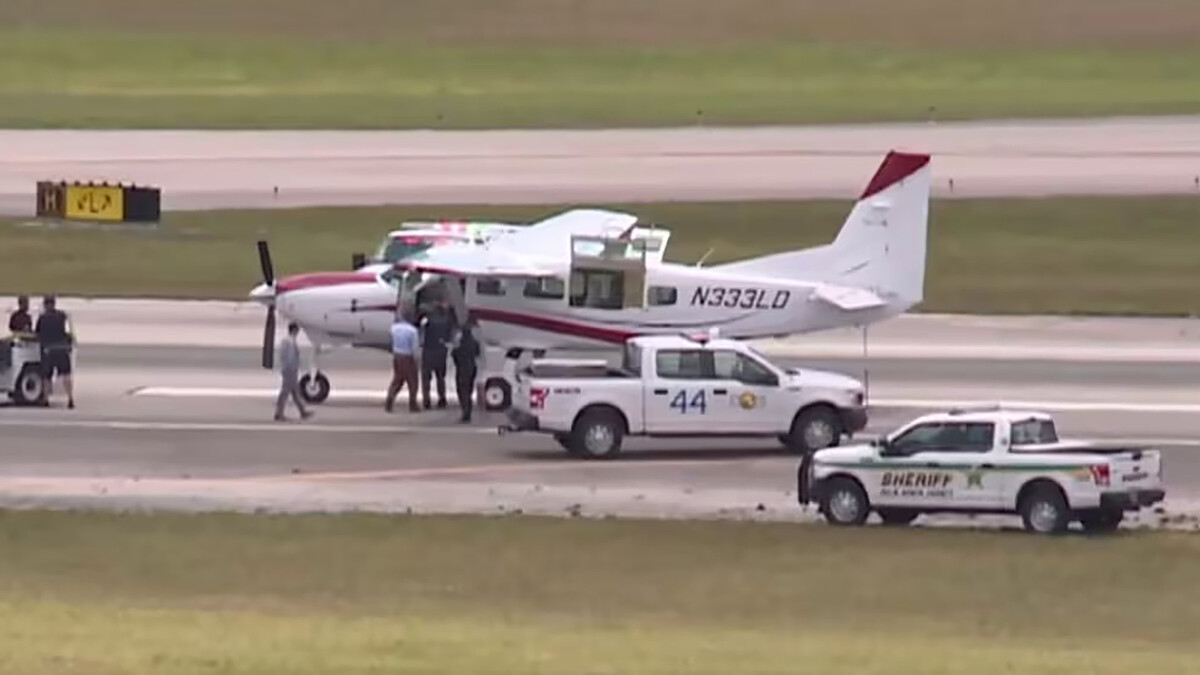
When a passenger with no flying experience suddenly had to take the controls of a plane, it became one of the most remarkable survival stories in aviation history. On May 10, 2022, Darren Harrison found himself in that exact nightmare scenario aboard a single-engine Cessna 208. What happened next is a testament to human resilience and the power of quick thinking under extreme pressure.
The Flight That Turned Into a Fight for Survival
Darren Harrison was returning to Florida after a fishing trip in the Bahamas. He was one of two passengers on the small aircraft, enjoying what should have been a routine flight. Without warning, the pilot told them he wasn't feeling well. Moments later, the pilot stopped responding and collapsed over the controls.
Find Original, High-end Home Decor that spark conversation at Grand Goldman Shop.
The plane began to descend and turn sharply. Harrison realized that waiting for the situation to resolve itself was no longer an option. He had to act, even though he had no idea how to fly a plane.
No Experience, No Time: The Desperate Dash to the Cockpit
Harrison rushed to the front of the aircraft. What he saw was terrifying: water was rushing past the right window, and he knew the plane was heading down fast. His first instinct was to correct the descent without making the situation worse. With no training, he had to rely on pure instinct and whatever fragmented knowledge he had.
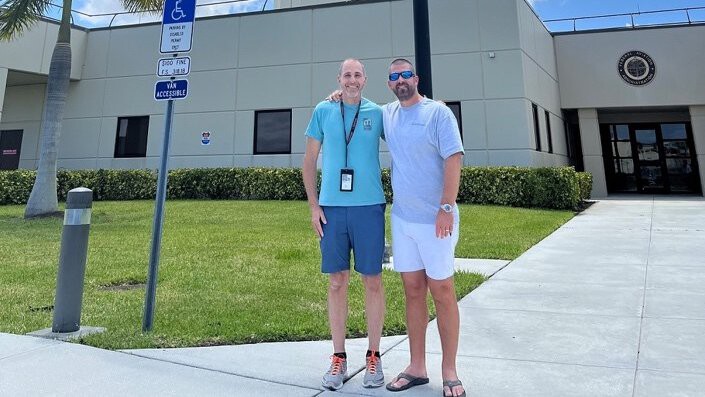
He managed to level the wings and pull the plane out of its dive. But he still had no idea how to fly, navigate, or communicate. The pilot was unresponsive, and the other passenger could do little to help. Harrison was alone at the controls.
Help from the Ground: How Air Traffic Control Guided a Novice
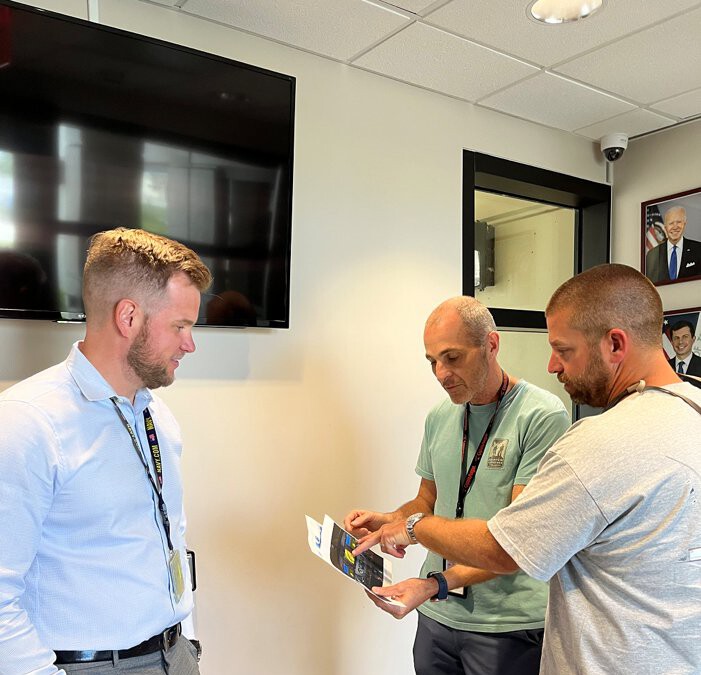
Using the plane's radio, Harrison managed to contact air traffic control. He told them plainly, "I have no idea how to fly the plane." The controller, who happened to be a certified flight instructor, calmly began guiding him through the basics. Step by step, Harrison learned how to maintain altitude and direction.
The controller's experience was crucial. He provided clear, simple instructions and kept Harrison focused. Together, they worked to bring the plane toward a safe landing.
The Landing: A Moment of Relief
With guidance from the controller, Harrison approached the runway. He had never landed a plane before, but he followed the instructions as best he could. The landing was rough, but it was successful. Both passengers and the pilot, who was later hospitalized, survived.
Harrison's quick thinking and the controller's expertise turned a potential tragedy into a miraculous outcome. The story made headlines worldwide and highlighted the importance of remaining calm in emergencies.
What This Story Teaches Us About Safety and Preparedness
This incident raises important questions about passenger safety and emergency preparedness. While flying is statistically very safe, unexpected events can happen. Here are key takeaways from Harrison's ordeal: The background to this story is set out in Ryanair Passenger Sucked Out of Plane Window: Survival Story. A related thread runs through Airbus Folding Wings Test: Next-Gen Plane Breakthrough. Earlier coverage in Richard Bong Fighter Plane Wingtip Returned to Wisconsin shows how the argument developed.
- Stay calm and act quickly: Panic can waste precious seconds; Harrison's ability to focus saved lives.
- Communication is critical: Reaching out to air traffic control provided the guidance needed to land.
- Basic aviation knowledge can help: Even minimal understanding of aircraft controls can make a difference in an emergency.
- Trust in professionals: The controller's expertise was instrumental in guiding a novice to safety.
- Always pay attention to safety briefings: Though not directly applicable here, knowing emergency procedures is always beneficial.
Comparing Emergency Scenarios: What Passengers Should Know
Not all emergencies are the same, but understanding the differences can help passengers respond appropriately. The table below outlines common in-flight emergencies and the typical passenger role. A closer look at the same subject appears in Spanish Wildfire Evacuees: Narrow Escapes and Survival Stories. Anyone following the wider picture can start with Japan Earthquake Survival Stories: Loss and Resilience in Kyushu. The same theme surfaces in Israeli Minister Claims Terrorist Wanted to Crash Plane, which takes a different angle.
| Emergency Type | Likelihood | Passenger Role | Key Action |
|---|---|---|---|
| Pilot incapacitation | Very rare | Take controls if necessary | Call for help, follow instructions |
| Medical emergency | Rare | Assist if trained | Alert crew, provide first aid |
| Mechanical failure | Rare | Follow crew instructions | Brace for impact, stay calm |
| Turbulence | Common | Stay seated, buckled | Follow crew commands |
While pilot incapacitation is extremely rare, it's the stuff of nightmares for many travelers. Harrison's story shows that even in the most dire circumstances, survival is possible with the right support. Context on how this played out before sits in Blinded by War: Ukrainian Veterans' Stories of Survival and. A companion piece, Japan Earthquake Survival Stories Reveal Resilience and Loss, approaches the same subject from another angle.
FAQ
What happened to the pilot in the Darren Harrison incident?
The pilot suffered a medical emergency and became unresponsive. He was later hospitalized and survived.
How did Darren Harrison land the plane without experience?
He contacted air traffic control, and a certified flight instructor guided him step by step through the landing process.
Is it common for passengers to take over the controls?
No, pilot incapacitation is extremely rare. However, when it does happen, passengers may need to act to ensure survival.
What can passengers do to prepare for such emergencies?
While specific training is not required, paying attention to safety briefings and knowing how to communicate with crew can be helpful. Remaining calm is crucial.
The story of Darren Harrison is a powerful reminder of human resilience. It also underscores the importance of quick thinking and the willingness to help others in crisis. For more on emergency preparedness and survival stories, explore our car section, where we cover safety tips and real-life incidents.
Browse the Shop
 Acacia frida deluxe solid wood bed frame |
Bedroom bench |
Bed chest drawers |
Lingerie dresser |
Frame base |
Mirror with jewelry storage |
30 Bathroom Vanity |
Memory foam queen mattress |
Mattresses for back pain |
Nightstand set of 2 |
Grand Goldman Shop |
Civil Lawyer
Deutschland Trikot WM 2026










