

Robots have long been a fixture on car factory floors, but the assembly of aircraft engines has remained a largely human domain. That changed when Pratt & Whitney introduced BARB, a robot that now performs a critical step in building commercial jet engines. The move marks a significant shift in how aerospace manufacturers approach automation, balancing precision with safety in one of the most regulated industries.
The robot, whose name stands for Bearing Automation Robotic Builder, operates at Pratt & Whitney's assembly plant in Middletown, Connecticut. It works on processes tied to the 1100G engine, part of the company's geared turbofan (GTF) family. These engines power fleets from Airbus and Embraer, so BARB is not a lab experiment—it's part of a production line that supplies real airlines.
Find Original Home Decor sparking conversation at Grand Goldman Shop.

Why Aircraft Engine Assembly Is So Demanding
Assembling a jet engine is nothing like building a car or a smartphone. Every step must be meticulously controlled and documented, because the final product will carry passengers at 35,000 feet. A single error can have catastrophic consequences, which is why human operators have traditionally dominated this work.
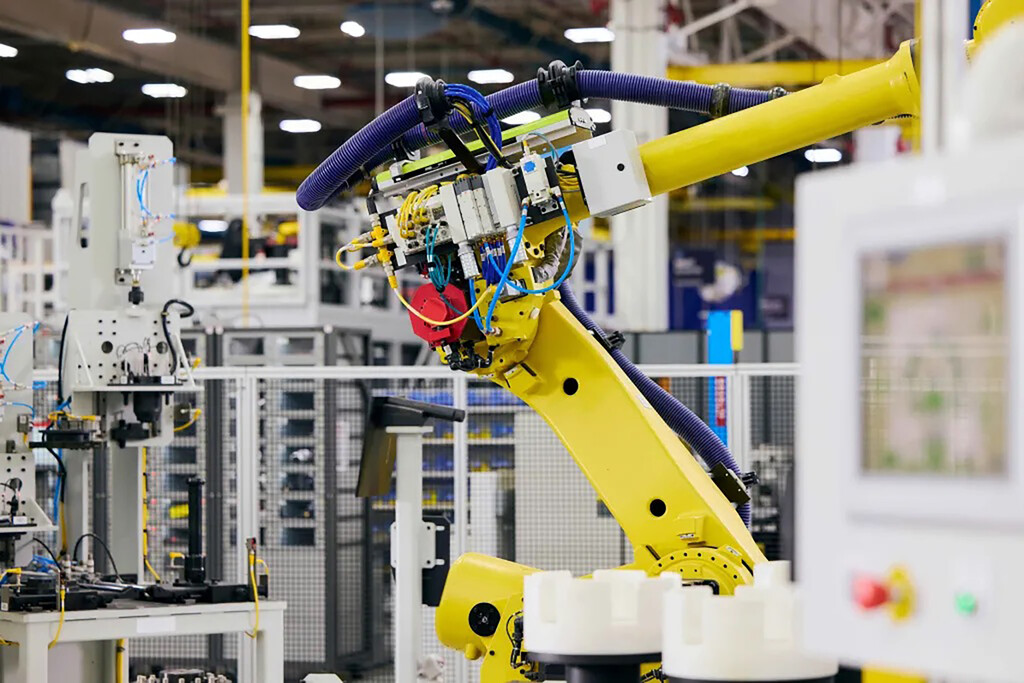
Pratt & Whitney's lines still rely heavily on human workers, according to reporting by TWZ. The assembly process requires a strict sequence of steps, each recorded and verified. Even the smallest deviation—like a stray object left inside the engine—can lead to serious problems. That's why the plant uses containers for "foreign object debris" (FOD) and enforces rigorous checks.
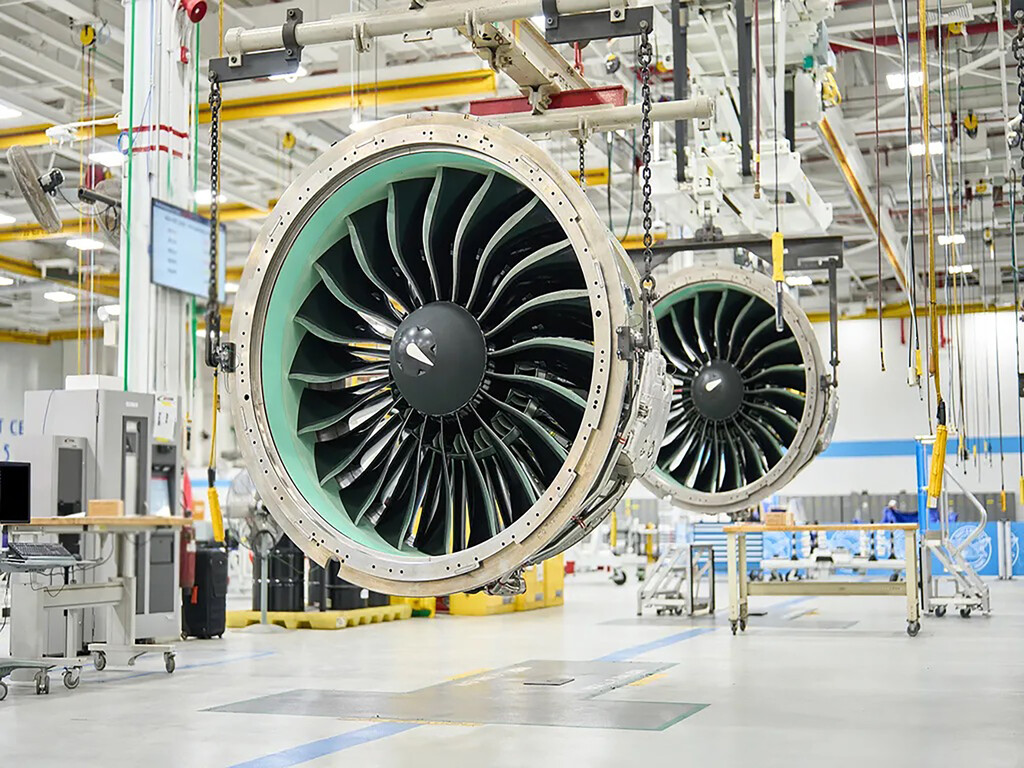
Introducing a robot into this environment meant proving it could work without introducing errors. The challenge was not just technical but also procedural: the robot had to integrate into a workflow where every action is scrutinized.
What BARB Does and Why It Matters
BARB is designed to handle a specific part of the engine assembly: bearing automation. Bearings are critical components that must be installed with extreme precision. Any misalignment can cause vibration, wear, or even failure. By automating this step, Pratt & Whitney aims to improve consistency and reduce the risk of human error.
The robot works alongside human operators, not instead of them. It performs repetitive, high-precision tasks while people focus on more complex operations that require judgment and adaptability. This collaborative approach is becoming more common in advanced manufacturing, where robots and humans share the floor.
The 1100G engine is a member of the GTF family, which Pratt & Whitney markets for its fuel efficiency and lower noise. These engines are used on aircraft like the Airbus A320neo and Embraer E-Jets. Automating part of their assembly could help the company meet demand and maintain quality as production scales.
The Bigger Picture: Automation in Aerospace
Aerospace manufacturers have been slower to adopt robots than automakers, largely because of safety and regulatory hurdles. Every change to a production process must be certified by aviation authorities, which can take years. But the pressure to reduce costs and improve quality is pushing the industry toward automation.
Pratt & Whitney's move is a signal that robots are ready for prime time in engine assembly. It also raises questions about the future of work in aerospace. While BARB may not eliminate jobs, it changes the skills required on the factory floor. Workers will need to know how to program, monitor, and maintain robots, rather than perform manual assembly.
Other companies are watching closely. If BARB proves successful, it could pave the way for more robots in engine assembly and other critical aerospace processes. The key will be demonstrating that automation can match or exceed the reliability of human workers.
Key Takeaways for Industry Watchers
- BARB is a robot that automates bearing assembly for Pratt & Whitney's 1100G engine.
- The robot works in Middletown, Connecticut, alongside human operators.
- Aircraft engine assembly is highly regulated, making automation challenging.
- Pratt & Whitney's GTF engines power Airbus and Embraer aircraft.
- The move could accelerate automation across aerospace manufacturing.
Comparing Automotive and Aerospace Automation
The table below highlights the differences between robot use in car factories and aircraft engine assembly.
| Aspect | Automotive | Aerospace (Engine Assembly) |
|---|---|---|
| Level of automation | High (e.g., welding, painting) | Low to moderate (e.g., BARB) |
| Regulatory oversight | Moderate | Extensive (FAA, EASA) |
| Error tolerance | Low | Extremely low |
| Typical tasks | Repetitive, high-volume | Precision, low-volume |
| Human role | Supervisory | Collaborative |
As the table shows, aerospace automation is still in its early stages compared to automotive. But the gap is narrowing. The longer history behind the story is traced in Robots Now Assemble Aircraft Engines at Pratt & Whitney.
What to Watch Next
The success of BARB will depend on how well it performs over time. Pratt & Whitney will need to demonstrate that the robot can maintain quality and reliability across thousands of assembly cycles. If it does, expect other engine makers to follow suit. The background to this story is set out in Segway's Navimow H5 Pro Robot Mower Adds a Robotic Arm for Perfect Edges. A related thread runs through Robotic Arms Are Trending: Why Adding Arms to Devices Makes Sense. Earlier coverage in China's Humanoid Robots Ride Robot Horses at World Robot Conference shows how the argument developed.
Meanwhile, the debate over automation and jobs will continue. While robots may take over some tasks, they also create new roles for technicians who can work with advanced systems. The key is ensuring that workers have the training to adapt. A closer look at the same subject appears in Unitree's Rise in Robotics Has an Unexpected Backer: the US Army. Anyone following the wider picture can start with How to Install a Ceiling Light Fixture: Step-by-Step Guide. The same theme surfaces in Robotic guard dog: is it possible we have one?, which takes a different angle.
For now, BARB represents a milestone: robots have entered one of the most delicate areas of manufacturing. How far they go will shape the future of aerospace. Context on how this played out before sits in DJI ROMO 2 Robot Vacuum: Drone Tech, AI and Robotic Arm. A companion piece, Car: latest articles, approaches the same subject from another angle.
FAQ
What is BARB?
BARB stands for Bearing Automation Robotic Builder. It is a robot used by Pratt & Whitney to automate part of the assembly of its 1100G aircraft engine.
Why is aircraft engine assembly difficult to automate?
Aircraft engine assembly requires extreme precision and strict documentation. Every step must be certified, and errors can be catastrophic, so manufacturers have been cautious about introducing robots.
Which aircraft use Pratt & Whitney's 1100G engine?
The 1100G is part of Pratt & Whitney's geared turbofan family, which powers aircraft like the Airbus A320neo and Embraer E-Jets.
Will robots replace human workers in aerospace manufacturing?
Robots like BARB are designed to work alongside humans, not replace them entirely. They automate repetitive tasks while humans handle complex operations. However, the skills required for manufacturing jobs will change.
Browse the Shop
 Acacia frida deluxe solid wood bed frame |
Bedroom bench |
Bed chest drawers |
Lingerie dresser |
Frame base |
Mirror with jewelry storage |
30 Bathroom Vanity |
Memory foam queen mattress |
Mattresses for back pain |
Nightstand set of 2 |
Grand Goldman Shop |
Civil Lawyer
Deutschland Trikot WM 2026







