

The San Francisco metro light rail system still relies on floppy disks, a surprising fact for a city at the heart of Silicon Valley. The system, known as the Automatic Train Control System, has been using 3.5-inch floppy disks since 1998. That's the same year Apple removed the floppy drive from its iMac G3, signaling the beginning of the end for the magnetic medium in consumer tech.
While the rest of the world moved on, San Francisco's light rail kept using floppy disks to load software manually each morning. Operators insert the disks into central units to boot up the train control system. Despite its age, the system has proven reliable, but it poses risks: data loss from degraded magnetic media and a shrinking pool of programmers familiar with 1990s languages.
Find Original, High-end Home Decor that spark conversation at Grand Goldman Shop.

Why San Francisco's Metro Still Uses Floppy Disks
The Automatic Train Control System was state-of-the-art when installed in 1998. It manages train movements, signaling, and safety protocols. The use of floppy disks was standard then, but as technology advanced, the transit agency didn't upgrade. The system's longevity is a testament to its design, but it also highlights the challenges of maintaining legacy infrastructure.
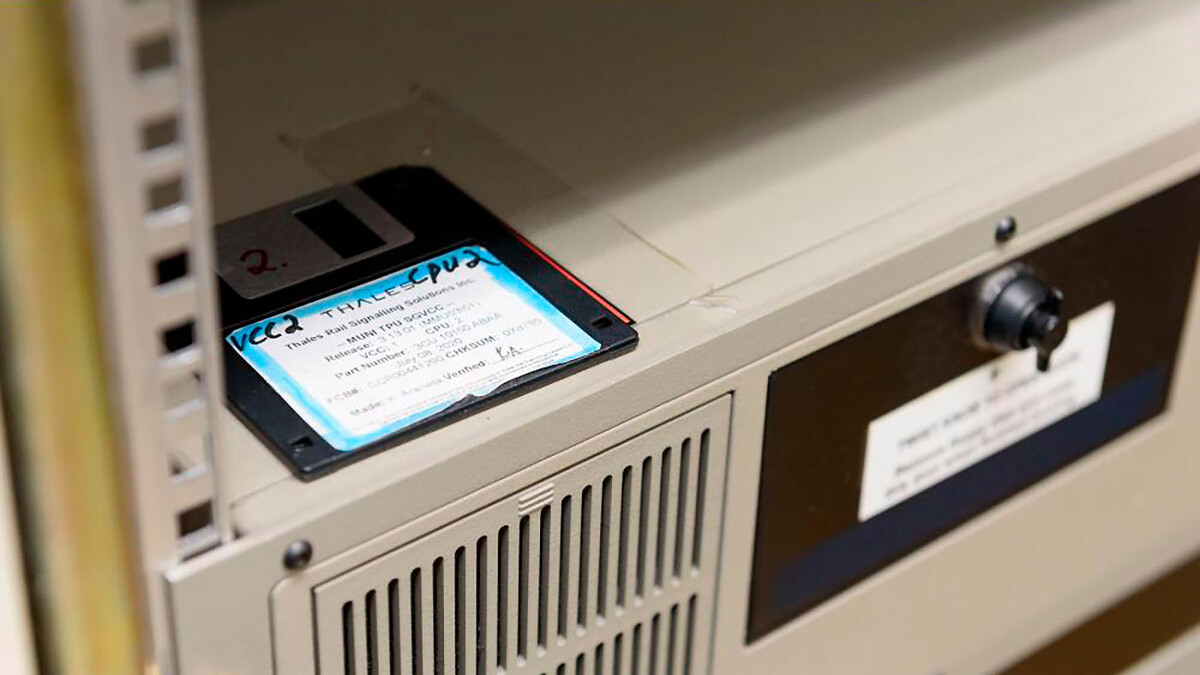
Each morning, operators must manually load the software from floppy disks. This routine has continued for over two decades. The disks store critical data and instructions that the system needs to operate. Without them, the trains wouldn't run. The agency has kept the system going by sourcing disks and maintaining old hardware, but the supply chain is fragile.
The Risks of Relying on Obsolete Technology
Floppy disks are prone to data corruption. Magnetic media degrades over time, and a single bad disk can halt operations. Moreover, finding programmers who understand the system's code is increasingly difficult. The original developers have retired, and few new engineers are trained in those languages. This creates a knowledge gap that threatens the system's reliability.
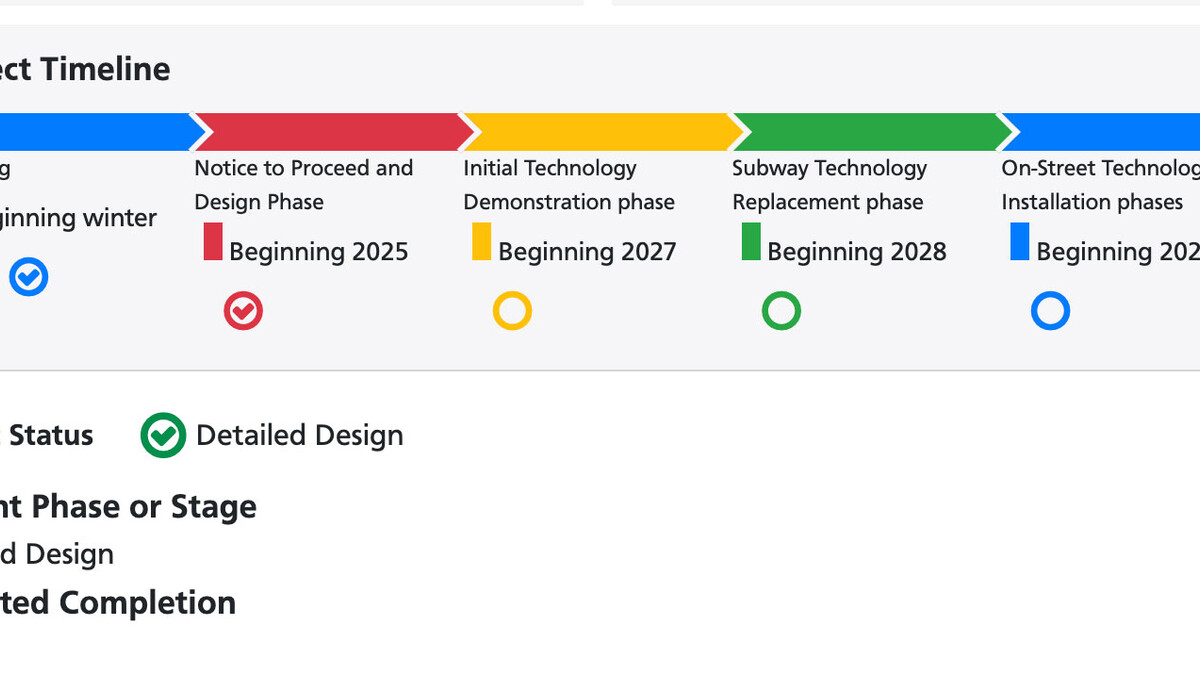
The transit agency has been aware of these issues for years. In 2018, it began planning a modernization project. But progress has been slow. In 2024, the agency approved a contract to replace the system, but the timeline extends to 2034. That means floppy disks will remain in use for at least another decade.
The Modernization Plan: A Long Road Ahead
Modernizing the train control system is a complex and costly endeavor. The agency must replace hardware and software while keeping the trains running. The project involves designing a new system, testing it thoroughly, and then migrating operations without disrupting service. The 2034 completion date reflects these challenges.
Funding is another hurdle. Public transit agencies often struggle with tight budgets, and large-scale tech upgrades compete with other priorities. The agency has secured some funding, but the project's scale requires significant investment. Delays can also arise from technical setbacks or regulatory approvals.
What the Delay Means for Riders
For now, riders won't notice the floppy disks, but the aging system could lead to more frequent breakdowns. If a disk fails, trains may be delayed or canceled. The agency has contingency plans, but they rely on the same outdated technology. Riders may experience longer wait times or service disruptions during peak hours.
The delay also affects the agency's ability to adopt new features like real-time tracking or automated scheduling. Modern systems offer these benefits, but the current setup limits innovation. Until the upgrade is complete, San Francisco's metro will lag behind other cities.
Lessons from San Francisco's Floppy Disk Fiasco
San Francisco's situation is not unique. Many transit agencies worldwide use legacy systems that are decades old. These systems often work well but become increasingly expensive to maintain. The key lesson is the importance of planning for technology refresh cycles. Agencies should budget for upgrades and train staff to handle transitions.
Another takeaway is the value of open standards. Proprietary systems can lock agencies into costly upgrades. Open systems allow for easier integration and competition among vendors. San Francisco's system is proprietary, which complicates modernization. Context on how this played out before sits in San Francisco Metro Still Runs on Floppy Disks Until 2034.
Finally, the story underscores the need for knowledge management. As experienced staff retire, their expertise leaves with them. Agencies must document systems and cross-train employees to avoid critical knowledge loss. The background to this story is set out in Car: latest articles. A related thread runs through Best Electric Car and Hybrid Car: Vote in the Lexus Partners Verisure 2026.
Comparing Legacy and Modern Train Control Systems
| Feature | Legacy System (1998) | Modern System (Expected) |
|---|---|---|
| Data Storage | 3.5-inch floppy disks | Solid-state drives or cloud |
| Software Updates | Manual, via disks | Automated, over-the-air |
| Maintenance | Hard-to-find parts and skills | Standardized components |
| Reliability | Proven but fragile | Designed for redundancy |
| Cost | High due to obsolescence | Lower long-term |
This table illustrates the stark differences between the current system and what's planned. The modern system will be more reliable, easier to maintain, and capable of supporting future innovations. Earlier coverage in Elon Musk Unveils World's First Flying Car at Tesla Event shows how the argument developed. A closer look at the same subject appears in Dutch Spy Chiefs Warn Tech in Cars Can Be Used to Snoop on You.
Key Takeaways for Transit Agencies
- Legacy systems can be reliable but pose risks as technology ages.
- Planning for modernization should start early and include funding.
- Knowledge loss is a critical risk when systems are outdated.
- Open standards can ease future upgrades and reduce costs.
- Public communication is essential to manage rider expectations.
These points highlight the need for proactive management of technology lifecycles. San Francisco's experience serves as a cautionary tale for other agencies. Anyone following the wider picture can start with OpenAI Medicare Breach Exposes Australia's Tech Debt Crisis. The same theme surfaces in AI Boom Sends San Francisco Rents Through the Roof in 2025, which takes a different angle.
FAQ
Why does San Francisco's metro still use floppy disks?
The metro's Automatic Train Control System was installed in 1998 and uses floppy disks to load software. The agency has kept the system running because it's reliable, but modernization is underway.
When will the floppy disks be replaced?
The modernization project is scheduled for completion in 2034. The agency approved the plan in 2024, but the complex upgrade will take years.
What are the risks of using floppy disks in transit?
Floppy disks can lose data due to magnetic degradation, and finding programmers who understand the old system is increasingly difficult. These risks could lead to service disruptions.
How does this affect riders?
Riders may experience delays if disks fail. The aging system also prevents the agency from implementing new features like real-time tracking until it's upgraded.
San Francisco's floppy disk reliance is a fascinating case of technology outliving its expected lifespan. It shows how critical infrastructure can become stuck in the past, and the effort required to bring it into the future.
Browse the Shop
 Acacia frida deluxe solid wood bed frame |
Bedroom bench |
Bed chest drawers |
Lingerie dresser |
Frame base |
Mirror with jewelry storage |
30 Bathroom Vanity |
Memory foam queen mattress |
Mattresses for back pain |
Nightstand set of 2 |
Grand Goldman Shop |
Civil Lawyer
Deutschland Trikot WM 2026
Acacia frida deluxe solid wood bed frame |
Bedroom bench |
Bed chest drawers |
Lingerie dresser |
Frame base |
Mirror with jewelry storage |
30 Bathroom Vanity |
Memory foam queen mattress |
Mattresses for back pain |
Nightstand set of 2 |
Grand Goldman Shop |
Civil Lawyer
Deutschland Trikot WM 2026










