

Volkswagen CEO Oliver Blume has called for Europe to set the right course on CO2 regulations and trade with China, warning that the time for decisive action is now. Speaking ahead of the Paris Motor Show, Blume framed the coming period as a pivotal moment for the European auto industry.
His comments come as manufacturers prepare for the 2027 emissions accounting, when average fleet CO2 limits will be enforced and companies that exceed them will face penalties. The stakes are high for Volkswagen and its peers.
Find Original, High-end Home Decor that spark conversation at Grand Goldman Shop.
Blume's Call for a Clear CO2 and China Strategy
In a statement published just before the Paris Motor Show, Blume said: "Now is the time to set the right course for 'Made in Europe', CO2 regulation and trade with China." The message was clear: Europe must act decisively to secure its industrial future.
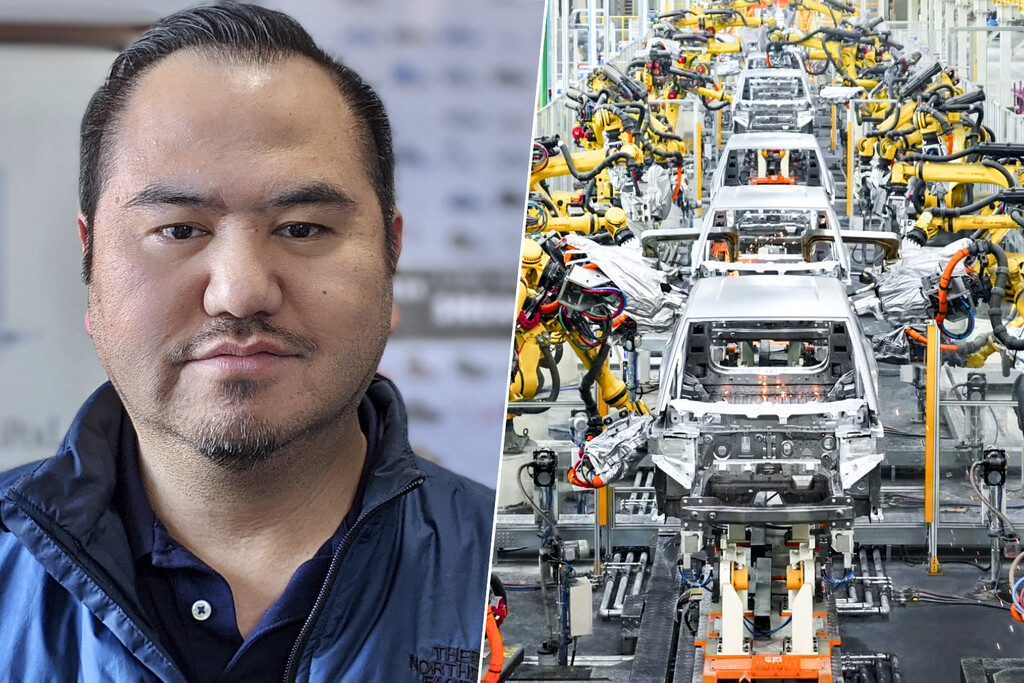
Blume emphasized that Europe has everything it needs to remain economically successful, citing industrial strength, technological knowledge and a huge capacity for innovation. But he implied that without the right policy framework, those advantages could be squandered.
Volkswagen plans to host roundtables and presentations at the Paris show to discuss the future of the industry, using the platform to push its agenda on these critical issues.
Why 2027 Is a Critical Year for CO2 Compliance
The year 2027 will mark a key milestone in the EU's CO2 regulations for cars. From then, average emissions across a manufacturer's fleet will be tallied, and any company that exceeds the limit will have to pay a penalty.
This creates a financial incentive for automakers to accelerate the sale of electric vehicles and improve the efficiency of their combustion engines. For Volkswagen, which is investing heavily in EVs, the rules could either reward its strategy or expose gaps in its lineup.
The pressure is compounded by the EU's push for 'Made in Europe' manufacturing, which aims to bolster local production while still allowing Chinese combustion-engine cars to enter the market. This balancing act is at the heart of Blume's concerns.
China Trade: A Double-Edged Sword for European Automakers
China is both a major market and a growing competitive threat for European carmakers. While Volkswagen and others have significant operations in China, they also face increasing competition from Chinese manufacturers, particularly in the EV segment.
The EU's approach to Chinese combustion-engine cars remains a contentious issue. On one hand, regulators want to protect European jobs and industry; on the other, they must adhere to free-trade principles and avoid escalating trade tensions.
Blume's call for a clear course on China trade suggests that the current uncertainty is hampering strategic planning. Automakers need to know the rules of the game to invest confidently in both Europe and China.
What This Means for Volkswagen and the Broader Industry
Volkswagen is already undergoing significant restructuring, including potential job cuts as it navigates falling profits in China. The company's future hinges on its ability to adapt to the twin challenges of electrification and global trade shifts.
Blume's statements at the Paris Motor Show are likely aimed at influencing EU policymakers as they finalize regulations. The auto industry is a major employer in Europe, and its health is closely tied to political decisions.
Other manufacturers are watching closely. A unified stance from Europe's largest automaker could shape the broader industry response to CO2 rules and China trade. The background to this story is set out in Volkswagen Backs EU Made in Europe Plan to Boost Industry. A related thread runs through New Tool Reveals Fossil Fuel Emissions Damage Estimates.
Key Takeaways for Industry Observers
- 2027 CO2 accounting will force automakers to pay penalties for exceeding fleet emissions limits.
- Oliver Blume is urging Europe to set a clear course on 'Made in Europe', CO2 rules and China trade.
- China remains a critical market and competitor, with EU policy still uncertain.
- Volkswagen is using the Paris Motor Show to push its policy agenda.
- Job cuts and profit pressures add urgency to Volkswagen's strategic decisions.
Comparing CO2 Targets and Trade Positions
| Policy Area | Current Status | Implication for Volkswagen |
|---|---|---|
| CO2 fleet limits | Enforced from 2027, penalties for exceedance | Accelerate EV sales, improve efficiency |
| 'Made in Europe' push | Regulators pressure local production | Potential cost increases, but support for EU jobs |
| China trade | Open to Chinese combustion cars, but tensions remain | Competitive pressure, need for clear rules |
The table above summarizes the key policy areas Blume addressed and their potential impact on Volkswagen. Earlier coverage in Volkswagen ID.4 Lease Price: Best Deals Right Now shows how the argument developed. A closer look at the same subject appears in Ukraine's 40-Day Campaign Against Russia: Has It Worked?.
FAQ
What did Oliver Blume say about CO2 and China trade?
Blume said it is time to set the right course for 'Made in Europe', CO2 regulation and trade with China. He emphasized that Europe has the industrial strength and innovation capacity to succeed but needs clear direction.
Why is 2027 important for CO2 regulations?
In 2027, average CO2 emissions from manufacturers' fleets will be tallied, and companies that exceed limits will face financial penalties. This makes it a critical year for compliance and strategic planning.
How does China trade affect European automakers?
China is a major market and a growing competitor. European automakers face pressure from Chinese EVs and combustion cars, while EU regulators try to balance free trade with protecting local industry.
What is Volkswagen's stance on the Paris Motor Show?
Volkswagen is using the Paris Motor Show to host roundtables and presentations on the industry's future, pushing for clear policies on CO2 and China trade.
As the Paris Motor Show unfolds, all eyes will be on how Blume's message resonates with policymakers and competitors. The decisions made in the coming months will shape the European auto industry for years to come.
The conversation around Volkswagen's future is already intensifying, with Volkswagen job cuts looming as profits fall in China slump highlighting the financial pressures. These cuts underscore the urgency of Blume's call for a clear strategy.
Analysts have noted that the company may need to cut up to 100,000 jobs, as detailed in reports on Volkswagen job cuts: 100,000 loom as profits slump in China. Such drastic measures reflect the depth of the challenges facing the automaker.
The situation is further complicated by the sales downturn in China, with Volkswagen job cuts looming as profits fall on China sales slump painting a picture of a company under severe strain. Blume's push for policy clarity is partly a response to these pressures.
At the same time, the broader European context is one of a Volkswagen crisis serving as an EU wake-up call on China trade threat. The outcome of this crisis will have ramifications far beyond Volkswagen itself.
For now, Blume's message is a clear signal that Volkswagen wants Europe to act. Whether policymakers will heed the call remains to be seen, but the automaker is making its position known at a critical juncture.
Browse the Shop
 Acacia frida deluxe solid wood bed frame |
Bedroom bench |
Bed chest drawers |
Lingerie dresser |
Frame base |
Mirror with jewelry storage |
30 Bathroom Vanity |
Memory foam queen mattress |
Mattresses for back pain |
Nightstand set of 2 |
Grand Goldman Shop |
Civil Lawyer
Deutschland Trikot WM 2026










