

The Aral Sea, once the fourth-largest lake in the world, is now the site of a massive reforestation effort led by Uzbekistan to combat erosion and desertification. In the 1960s, the Soviet Union diverted the Amu Darya and Syr Darya rivers to irrigate cotton fields, causing the sea to shrink dramatically. By 2004, it had lost 91% of its volume, leaving behind the Aralkum desert, a salty, toxic wasteland. Today, Uzbekistan is fighting back not by restoring the water, but by planting millions of shrubs to stabilize the soil and prevent further erosion.
What Happened to the Aral Sea?
In the 1960s, the Aral Sea covered about 68,042 square kilometers and held 1,100 cubic kilometers of water. Soviet planners diverted its two main feeder rivers to grow cotton, a thirsty crop. As a result, the lake began to shrink. By the early 1990s, it had split into two parts: the North Aral Sea and the South Aral Sea. By 2004, the volume had dropped by 91%, and the exposed seabed became the Aralkum desert, covered in salt and toxic residues.
Find Original, High-end Home Decor that spark conversation at Grand Goldman Shop.

This environmental tragedy displaced communities and destroyed livelihoods. The region's fishing industry collapsed, and the exposed seabed became a source of salt and dust storms that affect public health and agriculture across Central Asia.
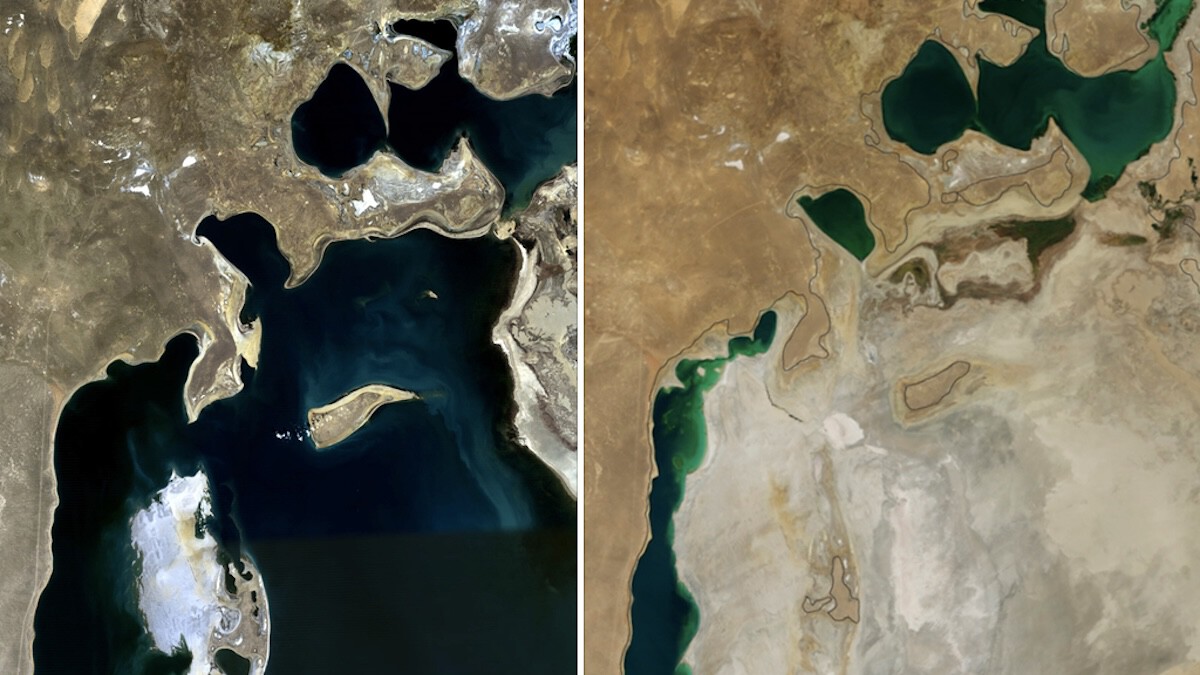
Why Restoring the Water Is Impossible
Efforts to bring back the water have largely failed. The Soviet-era dams and the immense water demands of cotton farming make full restoration impossible. Only the North Aral Sea, in Kazakhstan, saw some success: a dam helped raise its water level by four meters and halved its salinity, according to World Bank figures.
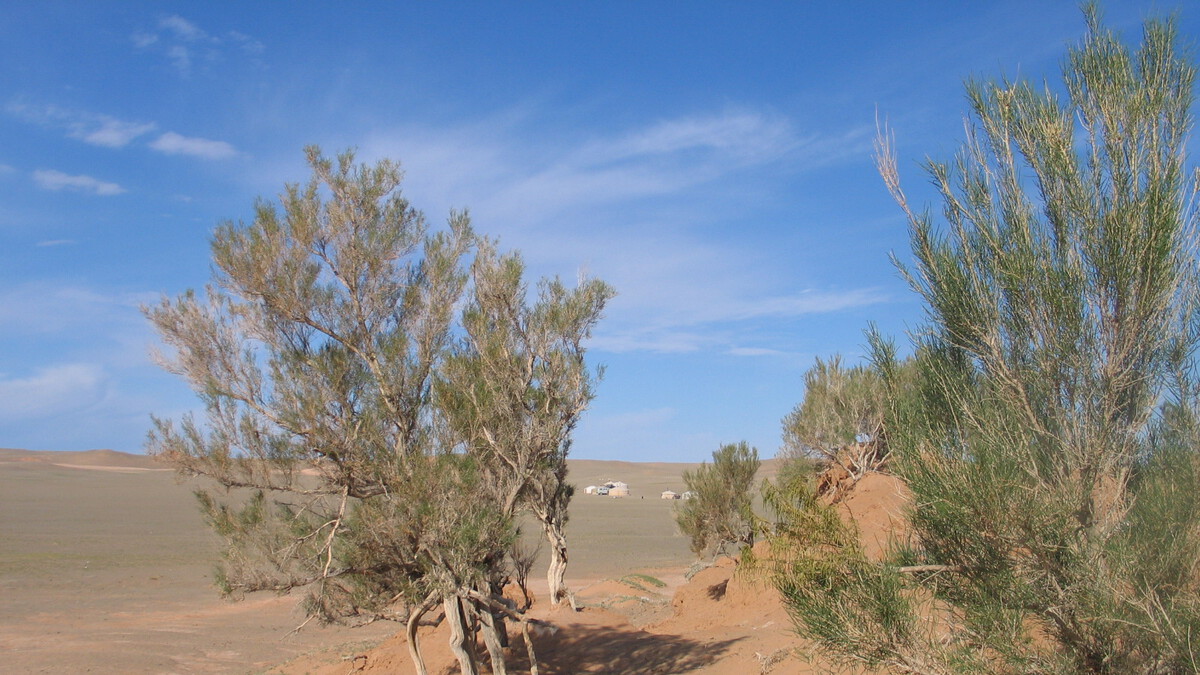
Uzbekistan, which shares the southern part of the sea, took a different approach. Instead of trying to refill the lake, the government decided to address the symptoms: erosion and desertification. In 2018, then-President Mirziyoyev initiated a program to plant drought-resistant vegetation on the dried seabed.
Uzbekistan's Forestation Strategy
The goal is not to restore the sea but to create a forest on the Aralkum desert. Millions of shrubs, such as saxaul, are being planted to stabilize the soil, reduce salt and dust storms, and improve the local microclimate. Saxaul is a hardy plant that can survive in harsh, salty conditions and is native to Central Asian deserts.
The project is a race against time. The Aralkum desert is expanding, and each year, winds carry thousands of tons of salt and dust across the region. The forest acts as a barrier, holding the soil in place and preventing further degradation.
Key Takeaways
- The Aral Sea shrank by 91% by 2004 due to Soviet irrigation projects.
- The dried seabed became the Aralkum desert, a source of salt and dust storms.
- Uzbekistan is planting millions of shrubs to stabilize the soil and combat erosion.
- Full restoration of the sea is considered impossible due to water demands and infrastructure.
- The project aims to mitigate environmental and health impacts, not to refill the lake.
Challenges and Progress
Planting a forest on a salty, dry seabed is not easy. The soil is highly saline, and water is scarce. The shrubs must be planted with care, and irrigation is often necessary in the early stages. Despite these challenges, the government reports that millions of saxaul and other shrubs have been planted, and survival rates are promising in some areas.
International organizations, including the World Bank, have supported efforts to improve the situation. However, the scale of the problem is enormous. The Aralkum desert covers an area larger than some countries, and fully stabilizing it will take decades.
What This Means for the Region
The Aral Sea crisis is a stark reminder of the unintended consequences of large-scale environmental engineering. The Soviet decision to prioritize cotton production over ecological balance led to one of the worst environmental disasters of the 20th century.
Uzbekistan's forestation project offers a pragmatic response. By focusing on erosion control, the government hopes to protect public health, agriculture, and infrastructure from the impacts of salt and dust storms. It also serves as a model for other regions facing similar challenges.
Comparison of Aral Sea Restoration Efforts
| Region | Approach | Outcome |
|---|---|---|
| North Aral Sea (Kazakhstan) | Dam construction to raise water levels | Water level rose 4 meters; salinity halved |
| South Aral Sea (Uzbekistan) | Forestation with drought-resistant shrubs | Ongoing; aims to stabilize soil and reduce dust |
FAQ
Why did the Soviet Union divert the rivers?
The Soviet Union diverted the Amu Darya and Syr Darya rivers to irrigate cotton fields, which was a major economic priority at the time. Cotton is a water-intensive crop, and the region was chosen for large-scale cultivation.
Can the Aral Sea be restored to its original size?
No, experts consider full restoration impossible because the water demands of agriculture and the existing infrastructure make it unfeasible. The focus is now on mitigating the impacts of the dried seabed.
What is the Aralkum desert?
The Aralkum desert is the new desert that formed on the dried seabed of the Aral Sea. It is covered with salt and toxic residues, and its dust storms affect the region's environment and health.
What plants are being used in the reforestation effort?
The main plant is saxaul, a hardy shrub native to Central Asian deserts. It can tolerate salty, dry conditions and helps stabilize the soil.
For more context on this story, see Ethiopia Reforestation: 50 Billion Trees and Climate Action and UN Desertification Summit: $12bn Fund for Drought and Land Restoration. Earlier reporting on the same theme includes Norfolk Broads Housing Levy Sparks Cash to Trash Criticism, China Finds 11,742 Unknown Viruses at 6,000 Meters Deep in Pacific and Pterosaur Museum in Gobi Desert Thrives on Solar Power.
Browse the Shop
 Acacia frida deluxe solid wood bed frame |
Bedroom bench |
Bed chest drawers |
Lingerie dresser |
Frame base |
Mirror with jewelry storage |
30 Bathroom Vanity |
Memory foam queen mattress |
Mattresses for back pain |
Nightstand set of 2 |
Grand Goldman Shop |
Civil Lawyer
Deutschland Trikot WM 2026
Acacia frida deluxe solid wood bed frame |
Bedroom bench |
Bed chest drawers |
Lingerie dresser |
Frame base |
Mirror with jewelry storage |
30 Bathroom Vanity |
Memory foam queen mattress |
Mattresses for back pain |
Nightstand set of 2 |
Grand Goldman Shop |
Civil Lawyer
Deutschland Trikot WM 2026










