

In the 1950s, the world stood on the brink of what many believed would be a new industrial revolution powered by nuclear energy. Atomic power was expected to replace coal, oil, and steam, ushering in an era of limitless, cheap energy. The innocence of the time, combined with limited knowledge about radiation hazards, led to some of the most ambitious and outlandish nuclear projects ever conceived. None of them moved beyond the prototype stage, but they remain a fascinating testament to the era's optimism and ingenuity.
Today, nuclear energy generates electricity worldwide and powers submarines, aircraft carriers, and icebreakers. But back then, engineers dreamed of using the atom to power almost everything. The basic principle is simple: when a heavy atom's nucleus, like uranium or plutonium, splits, it releases a massive amount of energy as radiation and heat. If the chain reaction is uncontrolled, you get a bomb. If moderated, you get a reactor that heats water into steam to drive a turbine, just like in any nuclear power plant. With that idea in mind, car, aircraft, and spacecraft engineers began to dream big.
Find Original, High-end Home Decor that spark conversation at Grand Goldman Shop.

The Ford Nucleon: An Atomic Car for the Family
In 1958, Ford unveiled the Nucleon, a concept car propelled by a small reactor placed between the rear wheels. The reactor would generate steam to drive turbines, and the cabin was pushed far forward to keep occupants away from the core. Ford envisioned service stations where drivers could swap out spent fuel cartridges, much like replacing a battery today.
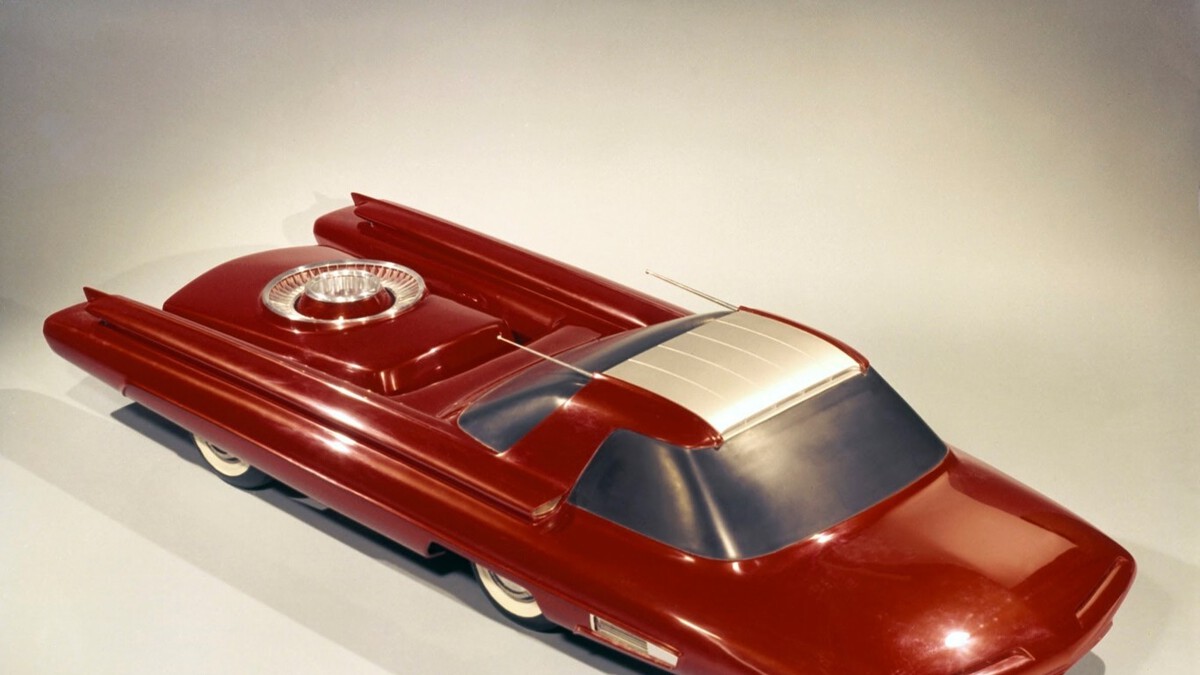
The Nucleon never went beyond a scale model. The challenges were immense: shielding the passengers from radiation, the weight of the reactor, and the catastrophic consequences of a crash. Yet the idea captured the public's imagination and symbolized the atomic age's boundless optimism.

Why the Nucleon Failed
Beyond the obvious safety concerns, the economics didn't work. A nuclear reactor small enough for a car would be prohibitively expensive, and the infrastructure for refueling and waste disposal simply didn't exist. The Nucleon remains a striking example of how far engineers were willing to push the boundaries of nuclear technology.
Nuclear-Powered Aircraft: The Flying Reactor
The idea of a nuclear-powered aircraft was seriously explored by both the US and the Soviet Union during the Cold War. The goal was to create bombers that could stay aloft for weeks without refueling. Both countries modified bombers to carry reactors, though the reactors were not used to power the engines directly.
In the US, the Aircraft Nuclear Propulsion program tested a modified B-36 bomber with a small reactor on board. The reactor was shielded, but concerns about radiation exposure to the crew and the risk of a crash spreading radioactive material ultimately led to the program's cancellation in 1961. The Soviet Union also experimented with a nuclear-powered bomber, but similar safety and technical hurdles proved insurmountable.
Atomic-Powered Rockets and Spacecraft
Space exploration also caught the atomic bug. In the 1950s and 1960s, both the US and the USSR studied nuclear thermal rockets, where a reactor heats propellant to produce thrust. NASA's NERVA program successfully tested a nuclear rocket engine in the 1960s, proving the concept worked.
However, the end of the Space Race and budget cuts led to NERVA's cancellation. Today, nuclear thermal propulsion is once again being considered for missions to Mars, as it offers higher efficiency than chemical rockets. The early experiments laid the groundwork for modern research. Context on how this played out before sits in Atomic Dreams: The Wildest Nuclear Projects Ever Imagined.
Other Outlandish Nuclear Concepts
The atomic age spawned a plethora of other bizarre ideas. Here are some of the most notable: The background to this story is set out in Energy Utilities: latest articles. A related thread runs through Nuclear Power Reality Check: 50 Years of Missed Forecasts.
- Nuclear-powered trains: Proposals for locomotives with onboard reactors never left the drawing board due to safety and infrastructure challenges.
- Atomic-powered ships: While nuclear submarines and icebreakers became reality, plans for nuclear cargo ships and even passenger liners were abandoned due to high costs and port access issues.
- Nuclear-powered heart pacemakers: In the 1970s, small plutonium-powered pacemakers were implanted in a few patients, but they were later replaced by lithium batteries.
- Project Orion: A spacecraft propelled by nuclear explosions, studied in the 1950s and 60s, was deemed impractical and banned by the Partial Test Ban Treaty.
The Legacy of Atomic Optimism
These projects reflect a time when nuclear energy was seen as a panacea for all energy needs. The enthusiasm was tempered by growing awareness of radiation risks and the high costs of nuclear technology. Nevertheless, the era's bold visions helped shape today's nuclear industry, from power plants to medical isotopes. Earlier coverage in Europe Puts Nuclear Fusion Hopes to the Test With Wendelstein 7-X shows how the argument developed. A closer look at the same subject appears in Green Party Drops Nuclear Power Opposition in Energy Policy Shift.
The story of these wild nuclear projects is a reminder of how technological optimism can lead to both brilliant innovations and cautionary tales. As we face today's energy challenges, the lessons from the atomic age remain relevant: innovation must be balanced with safety and practicality. Anyone following the wider picture can start with The 100 Plus Your Age Blood Pressure Rule: A Deadly Medical Myth. The same theme surfaces in Shakespeare Confirmed as Main Author of Edward III Play, which takes a different angle.
FAQ
What was the Ford Nucleon?
The Ford Nucleon was a 1958 concept car designed to be powered by a small nuclear reactor. It never went into production due to safety concerns, high costs, and lack of infrastructure for refueling and waste disposal.
Did nuclear-powered aircraft ever fly?
While modified bombers carrying reactors did fly, the reactors were not used to power the engines. The programs were canceled due to radiation risks and the danger of crashes spreading radioactive material.
Why were nuclear rockets abandoned?
Nuclear thermal rockets were successfully tested, but budget cuts and the end of the Space Race led to their cancellation. Today, they are being reconsidered for deep space missions.
Are any of these nuclear projects still in use today?
Most of these concepts never became practical. However, nuclear power is widely used for electricity generation and naval propulsion, and nuclear technology has found niches in medicine and space exploration.
Browse the Shop
 Acacia frida deluxe solid wood bed frame |
Bedroom bench |
Bed chest drawers |
Lingerie dresser |
Frame base |
Mirror with jewelry storage |
30 Bathroom Vanity |
Memory foam queen mattress |
Mattresses for back pain |
Nightstand set of 2 |
Grand Goldman Shop |
Civil Lawyer
Deutschland Trikot WM 2026










