

The alarming decline of bee populations has prompted innovative solutions, and the Bee Brick is emerging as a promising tool in the fight to save bees. This specially designed brick, which provides nesting cavities for solitary bees, is being integrated into UK architecture to counteract habitat loss. As urbanization expands, such micro-conservation efforts are becoming crucial for maintaining biodiversity and food security.
What Is a Bee Brick?
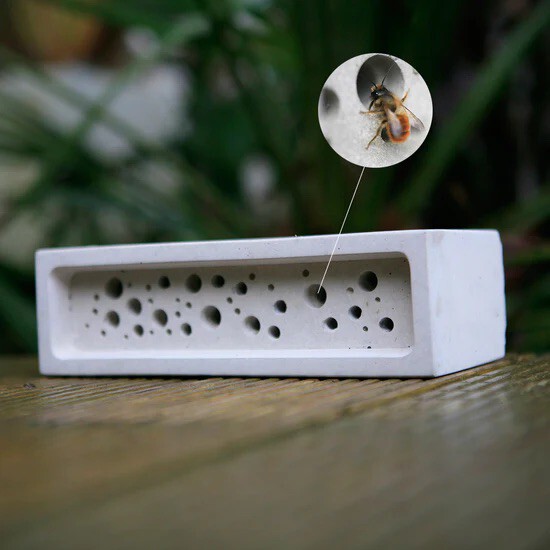
A Bee Brick looks much like a standard brick but features 18 cavities of varying diameters on its front face. The back is solid, preventing insects from entering the building interior. Made from prefabricated concrete with 75% recycled granite waste from the kaolin industry, it's a sustainable building material that doubles as a bee hotel.
Find Original Home Decor sparking conversation at Grand Goldman Shop.

These bricks are designed for solitary bees, which are non-aggressive and excellent pollinators. By incorporating them into walls, developers can create nesting sites without compromising structural integrity.
Why Are Bees Disappearing?
Globally, insect populations are plummeting—a phenomenon some call the "insect apocalypse." Pollinators like bees are particularly vulnerable due to habitat loss, pesticide use, and climate change. Their decline threatens not only wild flora but also agricultural crops that depend on pollination.
In the UK, urbanization has led to a significant loss of natural bee habitats. Traditional nesting sites in soil, dead wood, and hollow plant stems are increasingly scarce. The Bee Brick aims to fill this gap by providing artificial nesting cavities in urban environments.
How Bee Bricks Work
Each Bee Brick contains cavities of different sizes to accommodate various solitary bee species. Solitary bees lay eggs in these cavities, provisioning them with pollen and nectar. The larvae develop inside and emerge the following spring. The brick's design mimics natural nesting sites, offering protection from predators and weather.
Importantly, Bee Bricks are best placed in sunny locations, at least a meter off the ground, facing south or east. They should be installed without mortar in the cavities to keep them accessible.
Benefits of Bee Bricks
- Supports pollinator populations by providing essential nesting habitat in urban areas.
- Made from recycled materials, reducing environmental impact.
- Easy to integrate into new constructions and renovations.
- Raises awareness about the importance of bees and biodiversity.
- Cost-effective compared to other conservation measures.
Bee Brick Adoption in the UK and Beyond
Initially a design project, Bee Bricks have gained traction in UK urban planning. Some councils now require their inclusion in new developments, and the concept is spreading globally. This reflects a growing recognition that biodiversity conservation must be integrated into the built environment.
However, experts caution that while Bee Bricks are beneficial, they are not a silver bullet. They must be part of a broader strategy that includes protecting natural habitats, reducing pesticide use, and promoting pollinator-friendly gardening. The background to this story is set out in Europe's Wild Bees in Decline: Study Reveals Pollinator Crisis. A related thread runs through Everything You Need to Know about Mobile Homes: An Innovative and Sustainable Solution. Earlier coverage in Energy Utilities: latest articles shows how the argument developed.
Comparison of Bee Brick with Other Bee Hotels
| Feature | Bee Brick | Traditional Bee Hotel |
|---|---|---|
| Material | Recycled concrete | Wood, bamboo, or plastic |
| Durability | High (weather-resistant) | Variable (may degrade) |
| Integration | Built into walls | Standalone |
| Cost | Moderate | Low to moderate |
| Maintenance | Low | Requires cleaning/replacement |
What to Watch Next
As Bee Bricks gain popularity, look for updates to building codes and urban green standards. Researchers are also studying their long-term effectiveness in supporting bee populations. Public awareness campaigns could further drive adoption, and similar solutions may emerge for other pollinators like butterflies and bats. A closer look at the same subject appears in Solar Farms Are Saving 122 Bee Species While Fighting Climate Change. Anyone following the wider picture can start with Urban Bees Thrive: 5.5 Million Discovered in New York Cemetery. The same theme surfaces in Logroño Deploys Ladybugs and Predatory Bugs to Replace Pesticides, which takes a different angle.
Ultimately, the success of Bee Bricks depends on a holistic approach to conservation. Combining habitat creation with habitat protection and pesticide reduction will be key to reversing pollinator declines. Context on how this played out before sits in How Probiotics Help Bees Survive Climate Crisis Extremes. A companion piece, Bee Brick: The UK's Innovative Solution to Save Bees, approaches the same subject from another angle.
FAQ
What is a Bee Brick?
What is a Bee Brick?
A Bee Brick is a building brick with cavities designed to provide nesting sites for solitary bees. It is made from recycled materials and can be integrated into walls.
Are Bee Bricks safe for buildings?
Are Bee Bricks safe for buildings?
Yes, Bee Bricks are structurally sound and do not compromise building integrity. The back is solid, preventing bees from entering the interior.
Do Bee Bricks attract aggressive bees?
Do Bee Bricks attract aggressive bees?
No, Bee Bricks are designed for solitary bees, which are non-aggressive and rarely sting. They are safe for gardens and public spaces.
How can I get a Bee Brick for my home?
How can I get a Bee Brick for my home?
Bee Bricks are available from specialist suppliers and some building merchants. They can be used in new builds or retrofitted into existing walls.
Browse the Shop
 Acacia frida deluxe solid wood bed frame |
Bedroom bench |
Bed chest drawers |
Lingerie dresser |
Frame base |
Mirror with jewelry storage |
30 Bathroom Vanity |
Memory foam queen mattress |
Mattresses for back pain |
Nightstand set of 2 |
Grand Goldman Shop |
Civil Lawyer
Deutschland Trikot WM 2026







