

Big Tech climate goals are under unprecedented strain as the AI boom drives massive energy demand, forcing companies like Microsoft to reconsider ambitious sustainability pledges. What was once a comfortable narrative of clean energy and net-zero emissions is now colliding with the harsh reality of powering generative AI.
For years, tech giants promised a future of efficient operations and dated commitments to 2030 or 2040. But the rise of AI has complicated that picture, demanding more infrastructure, more electricity, and a climate pressure that's harder to reconcile with those promises.
Find Original Home Decor sparking conversation at Grand Goldman Shop.

The AI Energy Crunch: Why Big Tech Climate Goals Are at Risk
Generative AI, the technology behind tools like ChatGPT, requires enormous computational power. Training large language models and running inference at scale consumes vast amounts of electricity, primarily in data centers. As companies race to integrate AI into every product, their energy consumption is skyrocketing.
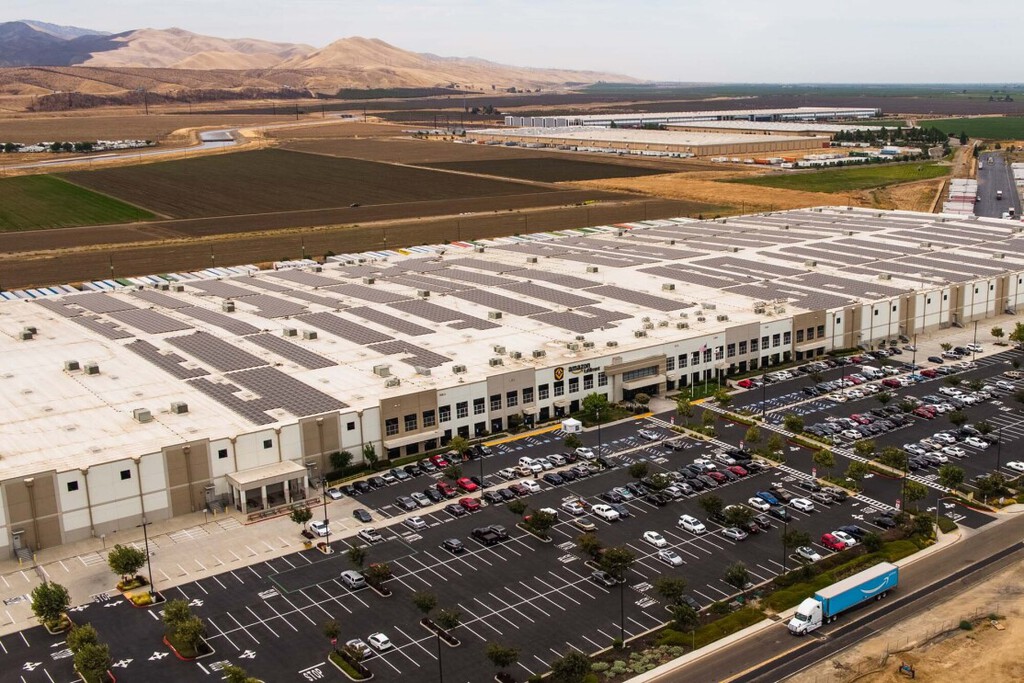
Microsoft recently signaled it may delay or even abandon one of its most ambitious energy goals, according to Bloomberg. The company is weighing its options as the AI arms race intensifies, with competitors like OpenAI and Anthropic pushing the boundaries of what's possible.
This isn't an isolated case. Other tech giants are facing similar challenges as they try to balance climate commitments with the explosive growth of AI infrastructure. The question is no longer just what they promised, but what happens when those promises meet the real scale of AI.
How We Got Here: The Evolution of Tech Climate Pledges
Tech companies didn't arrive at these commitments through a single path, nor did they promise exactly the same things. Some focused on renewable energy procurement, others on carbon offsets, and many on efficiency improvements. But the common thread was a belief that growth could be decoupled from emissions.
That belief is now being tested. Data centers are power-hungry, and AI is making them hungrier. The International Energy Agency estimates that data centers consumed about 1-1.5% of global electricity in 2022, but that share could rise significantly by 2026, driven by AI.
Companies are scrambling to secure power, often turning to natural gas or other fossil fuels to meet immediate needs, even as they invest in long-term clean energy solutions. This short-term reliance on fossil fuels threatens to undermine their climate goals.
Key Challenges Facing Big Tech's Climate Commitments
- Soaring energy demand: AI requires massive computing power, leading to higher electricity consumption in data centers.
- Infrastructure constraints: Building new renewable energy capacity takes time, and grid connections are often delayed.
- Short-term fossil fuel reliance: To meet immediate power needs, companies may lean on natural gas, increasing emissions.
- Investor and public scrutiny: Stakeholders are watching closely, and backtracking on climate pledges can damage reputation.
- Regulatory uncertainty: Changing policies around emissions reporting and clean energy incentives add complexity.
Microsoft's Dilemma: A Case Study in Competing Priorities
Microsoft's reported reconsideration of its energy goals highlights the tension between climate leadership and AI competitiveness. The company has been a vocal advocate for sustainability, aiming to be carbon negative by 2030. But its partnership with OpenAI and the expansion of its AI services are putting those goals to the test.Microsoft isn't alone. Google, Amazon, and Meta are all investing heavily in AI while trying to maintain their own climate commitments. Each faces unique challenges, but the underlying issue is the same: the energy intensity of AI is outpacing their ability to decarbonize.
What This Means for the Future of Tech Sustainability
The clash between AI and climate goals could reshape how tech companies approach sustainability. Some may push back deadlines, while others might invest more aggressively in clean energy innovation. There's also growing interest in nuclear power and next-generation geothermal as potential solutions.
However, the scale of the challenge is immense. According to Bloomberg, Microsoft's potential retreat from its energy goal is just the latest sign that the industry's climate narrative is being rewritten. The outcome will depend on how quickly companies can scale clean energy and improve efficiency.
Comparison of Big Tech Climate Goals and AI Investments
| Company | Climate Goal | Target Year | AI Investment | Recent Challenges |
|---|---|---|---|---|
| Microsoft | Carbon negative | 2030 | OpenAI partnership, Azure AI | May delay energy goal |
| Net zero | 2030 | Gemini, AI infrastructure | Rising emissions from data centers | |
| Amazon | Net zero | 2040 | AWS AI services, Anthropic investment | Energy intensity of AI |
| Meta | Net zero | 2030 | Llama models, AI research | Data center expansion |
As the table shows, all major tech companies are grappling with the same issue: their climate goals were set before the AI explosion, and now they must adapt.
What to Watch Next
Investors and consumers should watch for several key developments. First, whether Microsoft officially changes its energy goal and how it communicates that decision. Second, how other companies respond to similar pressures—will they follow suit or double down on clean energy? The background to this story is set out in Microsoft's Climate Goal in Jeopardy as AI Data Centers Drive Emissions. A related thread runs through Gas Turbine Shortage: How AI Demand Is Reshaping Energy. Earlier coverage in Palantir NHS Contract: Why Britain Must Reconsider This Deal shows how the argument developed.
Third, technological breakthroughs in energy efficiency for AI could change the equation. Finally, regulatory actions and investor pressure will play a crucial role in holding companies accountable. A closer look at the same subject appears in Energy Utilities: latest articles. Anyone following the wider picture can start with Marine 'Roombas' and Starlink: AI's Offshore Power Solution. The same theme surfaces in AI Datacentres Plan On-Site Gas Power Stations at Massive Scale, which takes a different angle.
The AI revolution is here to stay, but its environmental cost is becoming impossible to ignore. Big Tech's climate goals are at a crossroads, and the decisions made in the coming months will shape the industry's sustainability legacy for decades. Context on how this played out before sits in MoD Windfarm Objections: Radar Interference Threatens UK Energy Goals. A companion piece, Alexéi Rojas: Arsenal Goalkeeper Champions Sustainability, approaches the same subject from another angle.
FAQ
Why is AI causing big tech companies to reconsider climate goals?
AI requires massive computational power, leading to increased electricity consumption in data centers. This surge in energy demand makes it harder for companies to meet their ambitious climate targets, especially when renewable energy sources can't scale quickly enough.
Which companies are most affected by this issue?
Microsoft, Google, Amazon, and Meta are all facing challenges. Microsoft is reportedly considering delaying its energy goal, while others are seeing rising emissions from data centers despite their net-zero pledges.
What solutions are being explored to reconcile AI and sustainability?
Companies are investing in renewable energy projects, exploring nuclear power, and improving data center efficiency. However, these solutions take time and may not fully offset the rapid growth in AI energy demand.
How can consumers and investors hold companies accountable?
Consumers can support companies that prioritize sustainability, while investors can push for transparency and long-term clean energy strategies. Regulatory pressure and public scrutiny also play key roles in ensuring companies stick to their commitments.
Browse the Shop
 Acacia frida deluxe solid wood bed frame |
Bedroom bench |
Bed chest drawers |
Lingerie dresser |
Frame base |
Mirror with jewelry storage |
30 Bathroom Vanity |
Memory foam queen mattress |
Mattresses for back pain |
Nightstand set of 2 |
Grand Goldman Shop |
Civil Lawyer
Deutschland Trikot WM 2026







