

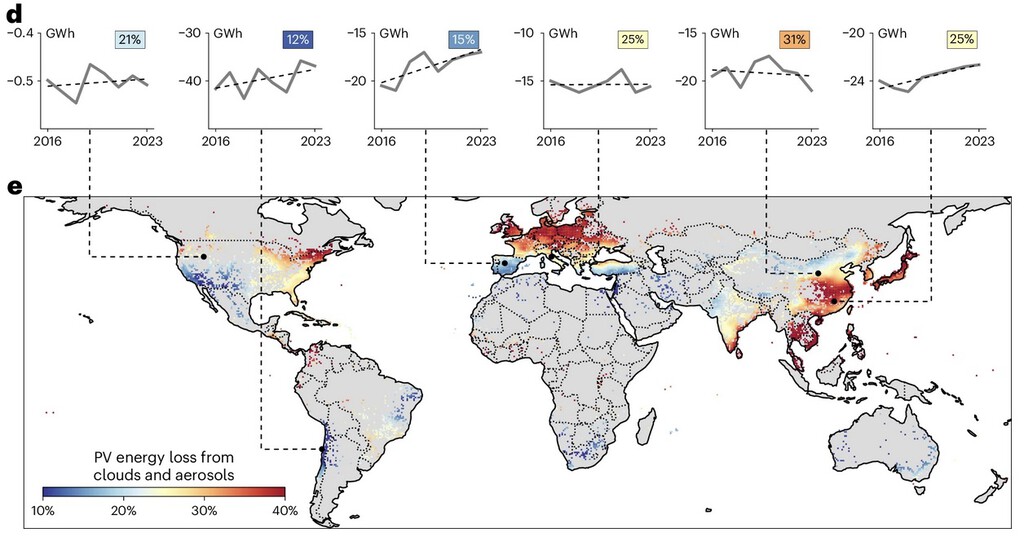
Coal's comeback is clouding solar panels and cutting clean energy output, according to a new study that reveals how air pollution from coal-fired power plants is reducing the sunlight that reaches photovoltaic cells. The research, published in Nature by scientists from the University of Oxford and University College London, mapped over 140,000 solar installations worldwide using satellite imagery and atmospheric data.
The findings highlight a troubling paradox: as the world turns back to coal to meet surging electricity demand from data centers and AI computing, the resulting pollution is undermining the very renewable energy sources that could help power a cleaner future.
Find Original Home Decor sparking conversation at Grand Goldman Shop.

Why Coal Is Making a Comeback
The resurgence of coal is largely driven by the energy needs of Big Tech. Data centers housing thousands of GPUs require massive and immediate power, especially when they ramp up for AI training. Renewable sources like solar and wind are intermittent and often lack sufficient storage, making them unreliable for these constant, high-demand loads.
As a result, companies are turning to nuclear, gas, and coal to ensure a steady supply. This trend is particularly pronounced in regions where energy infrastructure is strained, and the quickest fix is often fossil fuels.

The Hidden Cost: Pollution Dims Solar Potential
While the emissions from coal are well-known, the study sheds light on a less obvious consequence: air pollution from coal plants is scattering and absorbing sunlight before it reaches solar panels. This reduces the efficiency of photovoltaic systems, meaning less electricity is generated from the same installed capacity.
The researchers analyzed satellite images of over 140,000 solar farms and cross-referenced them with atmospheric pollution data. They calculated the amount of sunlight lost due to particulate matter and other pollutants, concluding that the impact is significant and likely underestimated.
- Coal pollution reduces solar irradiance, directly cutting solar power output.
- The effect is widespread, affecting solar installations globally, not just near coal plants.
- This creates a vicious cycle: more coal means less effective solar, leading to greater reliance on fossil fuels.
- Policymakers must account for these indirect costs when planning energy transitions.
How Air Pollution Affects Solar Panel Performance
Air pollution, particularly fine particulate matter (PM2.5) and aerosols, can block and scatter sunlight. This reduces the amount of solar radiation that reaches the panel surface. Additionally, dust and soot can accumulate on panels, further diminishing their efficiency.
The study focused on the atmospheric effect, which is more pervasive than soiling alone. Even distant coal plants can contribute to a regional haze that dims sunlight across vast areas.
Quantifying the Impact: A Global Assessment
The researchers used satellite data to map solar installations and combined it with atmospheric models to estimate the reduction in solar irradiance due to pollution. They found that in some regions, the loss of solar potential is equivalent to removing a significant portion of installed capacity.
| Region | Estimated Solar Irradiance Loss Due to Pollution | Primary Pollution Sources |
|---|---|---|
| South Asia | Up to 15% | Coal plants, industry, vehicles |
| East Asia | 10-12% | Coal, industrial emissions |
| Europe | 5-8% | Coal, transport, agriculture |
| North America | 4-6% | Coal, wildfires, vehicles |
These figures are estimates and vary by location and weather patterns, but they underscore the need to consider air quality in solar energy planning.
Implications for the Energy Transition
The study's authors warn that the true impact may be even greater than their calculations suggest, as they only considered direct effects of pollution on irradiance and not secondary effects like panel soiling or increased maintenance costs.
This research adds to the growing body of evidence that the energy transition must be holistic. Switching to renewables without addressing air pollution can lead to suboptimal outcomes. It also highlights the importance of locating solar farms in areas with cleaner air to maximize their output. The background to this story is set out in Renewable Energy Home Installations: Solar Panels & Heat Pumps. A related thread runs through Solar Panels UK: Record Installations as Energy Bills Soar. Earlier coverage in Heat Pumps and Solar Panels: Affordable Clean Energy Solutions shows how the argument developed.
What to Watch Next
As data centers continue to proliferate, the demand for reliable power will only grow. The challenge will be meeting that demand without exacerbating air pollution and undermining renewable energy. Solutions include investing in energy storage, improving grid flexibility, and adopting stricter emission controls. A closer look at the same subject appears in Solar Power for Business: How Companies Beat Energy Hikes. Anyone following the wider picture can start with Health Benefits of Reducing Air Pollution: Coal Plant Closures. The same theme surfaces in Spain Solar Power Paradox: 70% Energy Still Imported, which takes a different angle.
Policymakers and industry leaders must weigh the full costs of coal, including its impact on solar efficiency. The study serves as a reminder that the energy choices we make today have far-reaching consequences for the clean energy systems of tomorrow. Context on how this played out before sits in Solar Panels Cut Energy Bills by £400 in Cloudy UK. A companion piece, Home Renewable Energy: Solar Panels & Heat Pumps Surge in 2025, approaches the same subject from another angle.
FAQ
How does coal pollution affect solar panels?
Coal pollution releases particulate matter and aerosols that scatter and absorb sunlight, reducing the amount of solar radiation reaching photovoltaic cells. This lowers the efficiency and output of solar panels, especially in regions with high pollution levels.
Why is coal making a comeback?
The rise of data centers and AI computing has created a surge in electricity demand that requires constant, reliable power. Renewable sources like solar and wind are intermittent and often lack sufficient storage, leading utilities and tech companies to turn to coal, gas, and nuclear for immediate supply.
What did the Oxford and UCL study find?
The study mapped over 140,000 solar installations globally using satellite imagery and combined it with atmospheric pollution data. It found that air pollution from coal and other sources significantly reduces solar irradiance, with losses ranging from 4% to 15% depending on the region.
What can be done to mitigate the impact?
Mitigation strategies include installing pollution controls on coal plants, siting solar farms in cleaner areas, and investing in energy storage and grid upgrades to reduce reliance on coal. Policymakers should also consider air quality when planning renewable energy projects.
Browse the Shop
 Acacia frida deluxe solid wood bed frame |
Bedroom bench |
Bed chest drawers |
Lingerie dresser |
Frame base |
Mirror with jewelry storage |
30 Bathroom Vanity |
Memory foam queen mattress |
Mattresses for back pain |
Nightstand set of 2 |
Grand Goldman Shop |
Civil Lawyer
Deutschland Trikot WM 2026







