

The invasive giant resin bee (Megachile sculpturalis) is spreading in Europe, and new research shows that ornamental trees in urban gardens are inadvertently fueling its expansion. This is the first documented invasive bee in Europe, and its success is tied to the pollen of a non-native tree.
What Is the Giant Resin Bee?
The giant resin bee is native to Asia and was first detected in Europe in 2008. It is a large, robust bee that collects resin to build its nests, often in existing cavities. Unlike many bees, it is not a pollinator of native plants but rather a specialist on certain exotic species.
Find Original, High-end Home Decor that spark conversation at Grand Goldman Shop.
Its introduction to Europe is likely accidental, arriving via shipping containers or ornamental plant trade. Since then, it has spread rapidly across the continent, aided by the abundance of its preferred food source.
The Role of Ornamental Trees in Its Spread
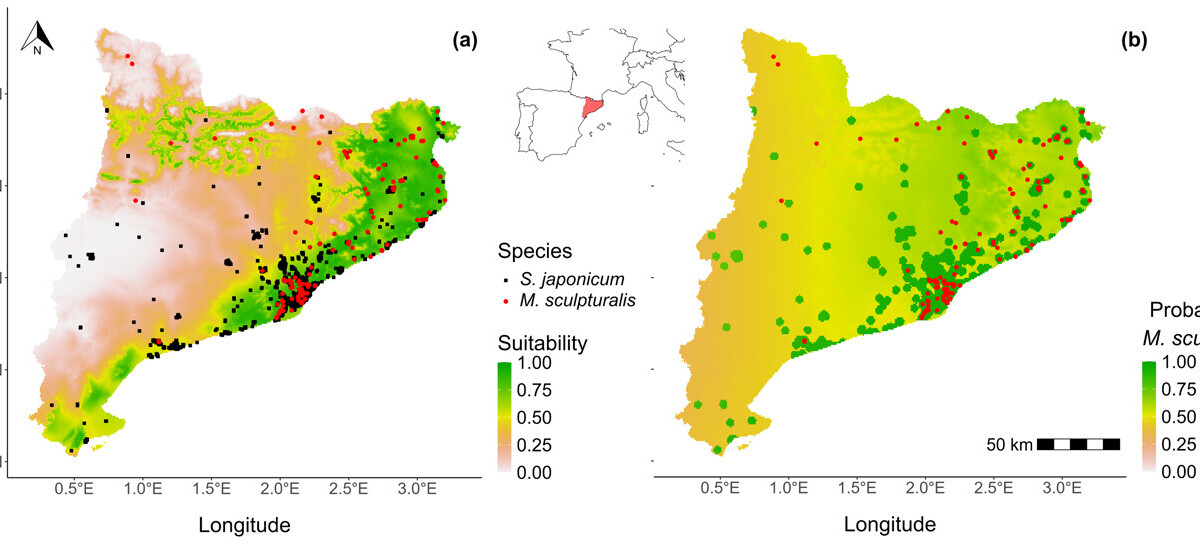
A study by researchers at the Universitat Autònoma de Barcelona has found that the giant resin bee feeds almost exclusively on the pollen of the Japanese pagoda tree (Sophora japonica), also known as the Chinese scholar tree. This ornamental tree, native to China, was introduced to Europe in the 18th century and is now common in urban gardens and streets.
The tree's abundant pollen provides a reliable food source for the bee, allowing it to establish and thrive in new areas. Urban landscaping with such exotic trees creates ideal conditions for the bee's proliferation.
Why Urban Gardens Matter
Cities often host a high diversity of ornamental plants, many of which are non-native. These plants can support invasive species by providing resources that are scarce in natural habitats. The giant resin bee's reliance on the Japanese pagoda tree exemplifies how human choices in landscaping can have unintended ecological consequences.
Impacts on Native Ecosystems
The spread of the giant resin bee raises concerns for native bee populations. Although it is not aggressive toward humans, it may compete with native bees for nesting sites and floral resources. Its preference for exotic trees means it could disrupt local pollination networks.
Moreover, the bee's nesting habits—using resin to seal cavities—can damage wooden structures and potentially affect other cavity-nesting species.
- The giant resin bee is the first invasive bee documented in Europe.
- It feeds almost exclusively on the pollen of the Japanese pagoda tree, an ornamental species.
- Urban gardens with exotic trees facilitate its spread.
- Competition with native bees and potential structural damage are key concerns.
- Management strategies should consider landscaping choices to limit invasive species.
What the Research Shows
The study highlights the link between urban tree composition and invasive bee establishment. Researchers observed that areas with high densities of the Japanese pagoda tree had larger populations of the giant resin bee.
This finding underscores the importance of considering ecological impacts when designing urban green spaces. Simply planting exotic species for aesthetic reasons can have far-reaching effects. The background to this story is set out in Moscardón Bumblebee: Giant Patagonian Pollinator Faces Extinction. A related thread runs through Invasive Pheasants Now Dominate Argentina's Victoria Island Forests. Earlier coverage in Invasive Species in Spain: Why the Guadalquivir Is a Hotspot shows how the argument developed.
| Factor | Details |
|---|---|
| Invasive species | Giant resin bee (Megachile sculpturalis) |
| Native range | Asia |
| First documented in Europe | 2008 |
| Key food source | Pollen of Japanese pagoda tree (Sophora japonica) |
| Primary concern | Competition with native bees, structural damage |
What to Watch Next
As the giant resin bee continues to spread, monitoring its distribution and impact will be crucial. Researchers recommend that urban planners and gardeners prioritize native tree species to reduce the risk of supporting invasive insects. A closer look at the same subject appears in Invasive Species Cost Australia Billions: How to Respond. Anyone following the wider picture can start with Invasive Species Cost Australia $24.5B: How to Respond. The same theme surfaces in Florida Python Challenge Winner Kills 96 Invasive Snakes, which takes a different angle.
Public awareness can also help: reporting sightings of the bee can aid in tracking its expansion. Understanding the role of ornamental plants in invasion ecology is essential for developing effective management strategies. Context on how this played out before sits in Giant Waterlily Discovery: New Species Found in Colombia. A companion piece, Non-Invasive Gel Cockroach Control: Odorless & Effective, approaches the same subject from another angle.
FAQ
What is the giant resin bee?
The giant resin bee (Megachile sculpturalis) is a large bee native to Asia, first found in Europe in 2008. It is the first invasive bee documented in Europe and is known for using resin to build nests in cavities.
Why is the giant resin bee spreading in Europe?
Its spread is linked to the abundance of its preferred food source, the pollen of the Japanese pagoda tree, an ornamental species widely planted in European cities. Urban gardens provide ideal conditions for its establishment.
What impact does the giant resin bee have on native bees?
It may compete with native bees for nesting sites and floral resources, potentially disrupting local pollination networks. Its nesting habits can also cause damage to wooden structures.
What can be done to manage the spread of the giant resin bee?
Planting native tree species instead of exotic ones like the Japanese pagoda tree can reduce food sources for the bee. Monitoring and public reporting of sightings can help track its spread and inform management efforts.
Browse the Shop
 Acacia frida deluxe solid wood bed frame |
Bedroom bench |
Bed chest drawers |
Lingerie dresser |
Frame base |
Mirror with jewelry storage |
30 Bathroom Vanity |
Memory foam queen mattress |
Mattresses for back pain |
Nightstand set of 2 |
Grand Goldman Shop |
Civil Lawyer
Deutschland Trikot WM 2026










