

Lady Elliot Island, a small coral cay at the southern tip of the Great Barrier Reef, was once a barren wasteland stripped of vegetation by guano mining. Today, thanks to the determination of pilot Don Adams, it has transformed into a thriving paradise for wildlife and visitors alike.
The Devastating Legacy of Guano Mining
In the 19th century, Lady Elliot Island was prized for its massive deposits of guano—seabird droppings rich in nutrients—which was highly sought after as a fertilizer. Mining began in 1863, and workers removed about a meter of guano-rich soil and felled almost all trees. When mining ended in 1874, the island's natural regeneration mechanism was severely disrupted: fewer plants meant fewer birds, which meant less new guano and even fewer nutrients for plants to grow.
Find Original Home Decor sparking conversation at Grand Goldman Shop.

By the time Don Adams arrived in the late 1960s, the island was a desolate landscape. Introduced goats prevented any vegetation from re-establishing, and the once-thriving ecosystem was virtually extinct.
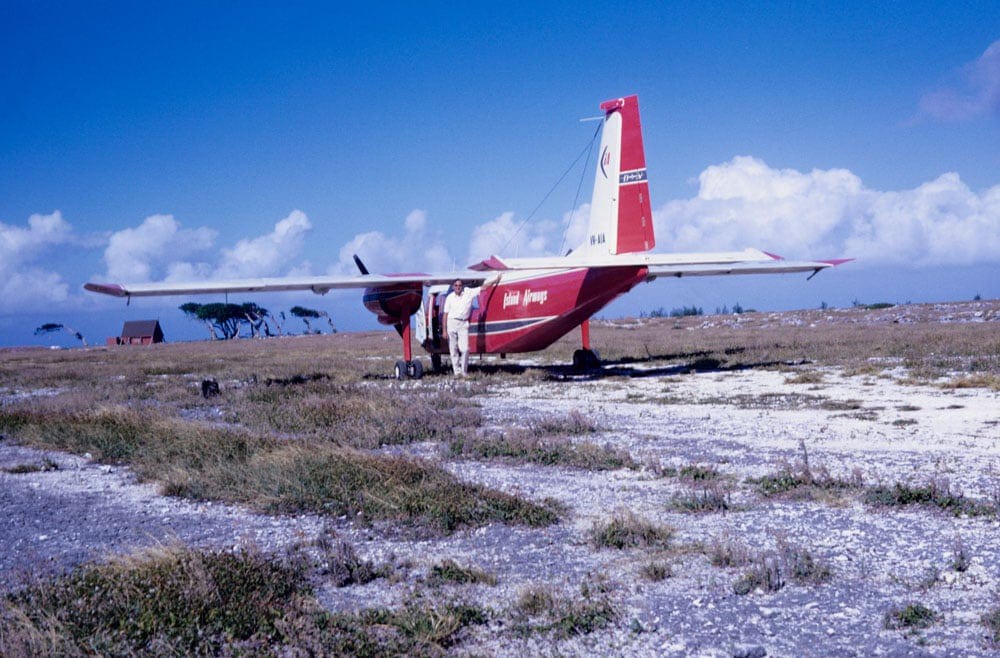
Don Adams: The Pilot with a Vision
Don Adams was an aviator who saw beyond the degraded terrain. In 1969, he obtained a concession from the Australian government and built an airstrip, opening the island to tourism. But Adams didn't stop at tourism; he was determined to restore the island's natural beauty.
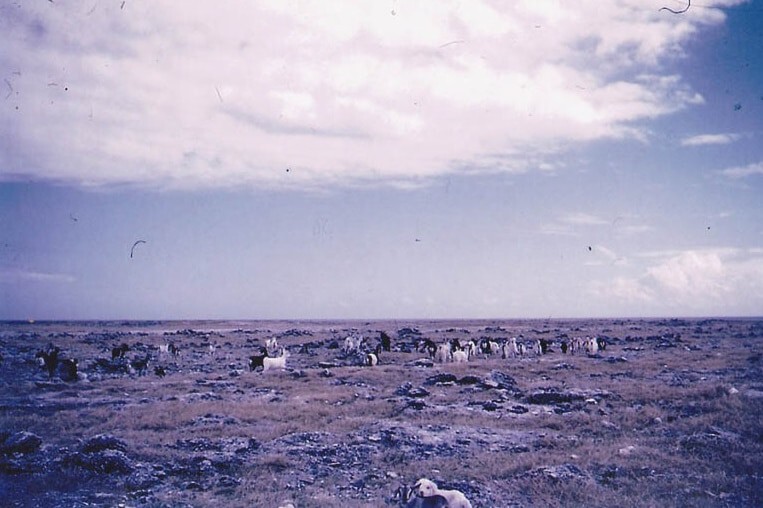
He initiated a massive reforestation effort, planting thousands of trees and shrubs. The goats were removed, allowing vegetation to recover. Over decades, the island gradually regained its greenery, and seabirds returned in droves.
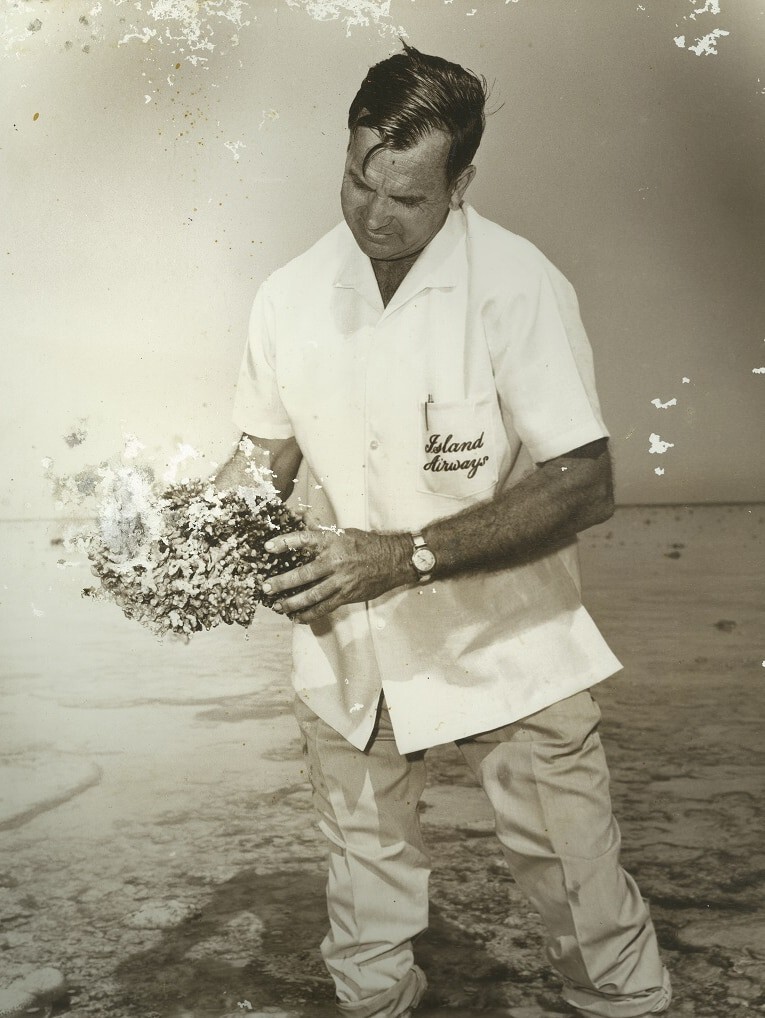
Ecological Restoration: A Model for Success
Lady Elliot Island's recovery is now celebrated as a remarkable conservation success story. The island is a haven for marine life, including turtles, manta rays, and countless fish species. Its coral reefs are among the healthiest in the Great Barrier Reef, thanks to the restored vegetation that filters runoff and provides shade.
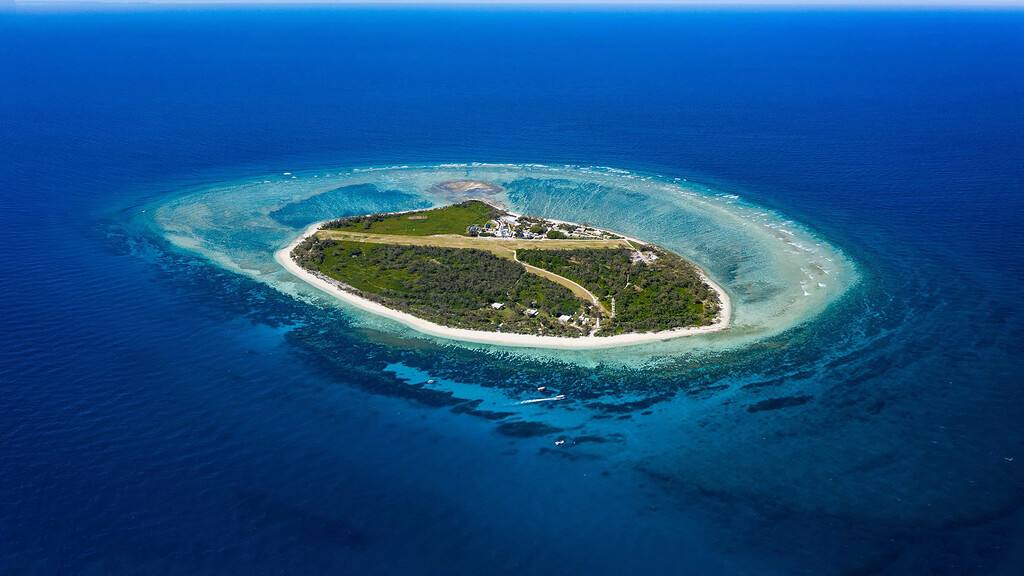
The island's management, now under the ownership of Peter Gash, continues to prioritize sustainability. The resort operates on solar power and recycling, and guests are educated about the fragile ecosystem. The background to this story is set out in Great Barrier Reef Recovery Doesn't Disprove Climate Change. A related thread runs through Great Barrier Reef Climate Science Debate: Facts vs Misinformation.
Key Takeaways from Lady Elliot Island's Restoration
- Visionary leadership: Don Adams's determination turned a wasteland into a paradise.
- Ecosystem interconnectedness: Restoring vegetation brought back birds, which in turn enriched the soil.
- Removal of invasive species: Eliminating goats was crucial for plant recovery.
- Sustainable tourism: The island now serves as a model for eco-friendly resort operations.
- Long-term commitment: Restoration took decades, highlighting the need for patience in conservation.
Comparing Lady Elliot Island's Transformation
| Aspect | Before Restoration (1960s) | After Restoration (Present) |
|---|---|---|
| Vegetation | Almost none; soil stripped | Lush native trees and shrubs |
| Wildlife | Few seabirds; goats present | Thousands of seabirds; no goats |
| Soil | Depleted of guano | Rebuilding through bird droppings |
| Tourism | None | Sustainable eco-resort |
| Coral Reef Health | Unknown, likely degraded | Among the healthiest in GBR |
What This Means for Conservation
Lady Elliot Island's story demonstrates that even severely damaged ecosystems can recover with dedicated effort. It also underscores the importance of addressing the root causes of degradation, such as invasive species and habitat destruction. Earlier coverage in Great Barrier Reef Microbiome: 500 New Bacterial Species Found shows how the argument developed. A closer look at the same subject appears in Great Barrier Reef Microbiome Mapped: 500 New Bacteria Species.
As climate change threatens coral reefs worldwide, the island's resilience offers hope. However, ongoing vigilance is needed to protect against new threats like rising sea temperatures and ocean acidification. Anyone following the wider picture can start with Great Barrier Reef Microbiome Mapped: 500 New Bacterial Species F. The same theme surfaces in Lady Elliot Island: From Guano Wasteland to Coral Paradise, which takes a different angle.
FAQ
What was Lady Elliot Island like before restoration?
Before restoration, Lady Elliot Island was a barren coral cay stripped of vegetation by guano mining and overrun by goats. The soil was depleted, and few seabirds remained.
Who was Don Adams and what did he do?
Don Adams was a pilot who obtained a government concession in 1969 to develop tourism on the island. He built an airstrip and initiated reforestation efforts, removing goats and planting trees to restore the ecosystem.
How long did the restoration take?
The restoration has been ongoing for over five decades. While significant progress was made in the early years, the ecosystem continues to recover and adapt.
Can I visit Lady Elliot Island today?
Yes, the island is home to an eco-resort that welcomes visitors. Guests can enjoy snorkeling, diving, and learning about the island's conservation efforts.
The story of Lady Elliot Island is a testament to human perseverance and nature's resilience. It also highlights the importance of legal accountability in environmental matters, as seen in cases like the Isla Bell death: man fails to have charge dropped in Melbourne, where justice is sought for environmental and personal harms.
Such legal proceedings remind us that protecting our environment often requires both restoration efforts and enforcement of laws. The Melbourne teen Isla Bell death: man loses final charge bid underscores the ongoing struggle for accountability.
As we celebrate the revival of Lady Elliot Island, we must also learn from past mistakes. The Isla Bell death: man loses bid to drop charge in Melbourne teen case serves as a reminder that negligence can have severe consequences, whether for people or the planet.
Looking ahead, the island's future depends on continued conservation and responsible tourism. The lessons from Lady Elliot Island can inspire similar restoration projects worldwide, proving that with vision and dedication, even the most damaged ecosystems can be brought back to life.
Browse the Shop
 Acacia frida deluxe solid wood bed frame |
Bedroom bench |
Bed chest drawers |
Lingerie dresser |
Frame base |
Mirror with jewelry storage |
30 Bathroom Vanity |
Memory foam queen mattress |
Mattresses for back pain |
Nightstand set of 2 |
Grand Goldman Shop |
Civil Lawyer
Deutschland Trikot WM 2026







