

A Virginia backyard pond project that began as a simple school assignment has transformed a family's yard in the Shenandoah Valley into a thriving wildlife habitat over nine years. What started as a hole dug by a 14-year-old girl named Maggie in 2017 is now a living ecosystem that looks nothing like the original lawn.
In 2017, the family's garden was little more than an uneven stretch of grass where crickets could be heard at night. Maggie, then a teenager, decided to dig a pond as a project for her agriculture class. Nine years later, that hole is still there, but the landscape around it is completely different.
Find Original, High-end Home Decor that spark conversation at Grand Goldman Shop.
The Backyard Pond Project Begins
In the fall of 2017, Maggie researched how to design a pond and started digging in the family's rural backyard in the Shenandoah Valley. The idea was born as an assignment for her high school agriculture class. At the time, the terrain had nothing particularly striking from a natural standpoint: just irregular grass and the sound of crickets.
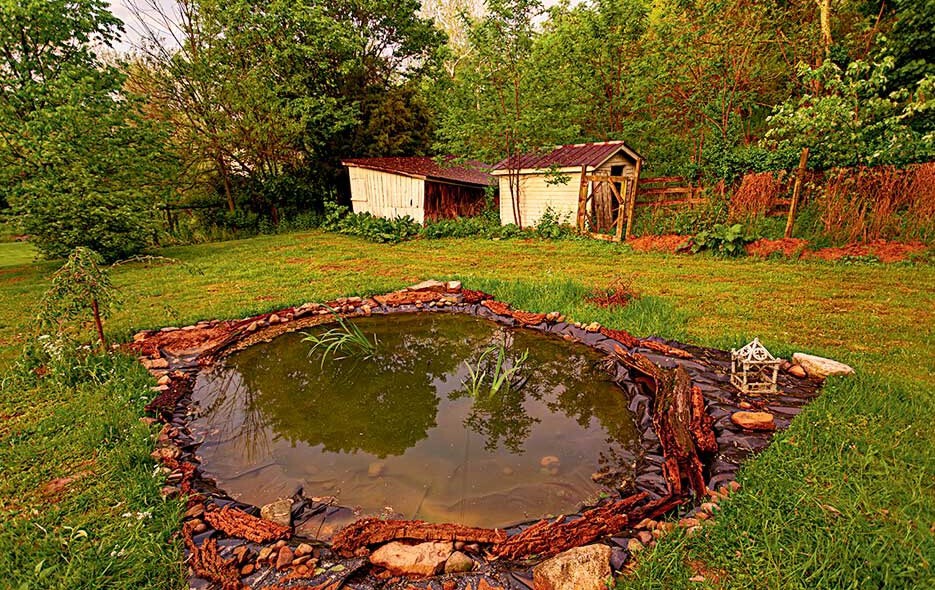
By spring 2018, the pond was full of water, and the rest of the family had joined the project, adding soil, stones, and plants around its edges. What began as a solo effort quickly became a family endeavor, setting the stage for the transformation to come.
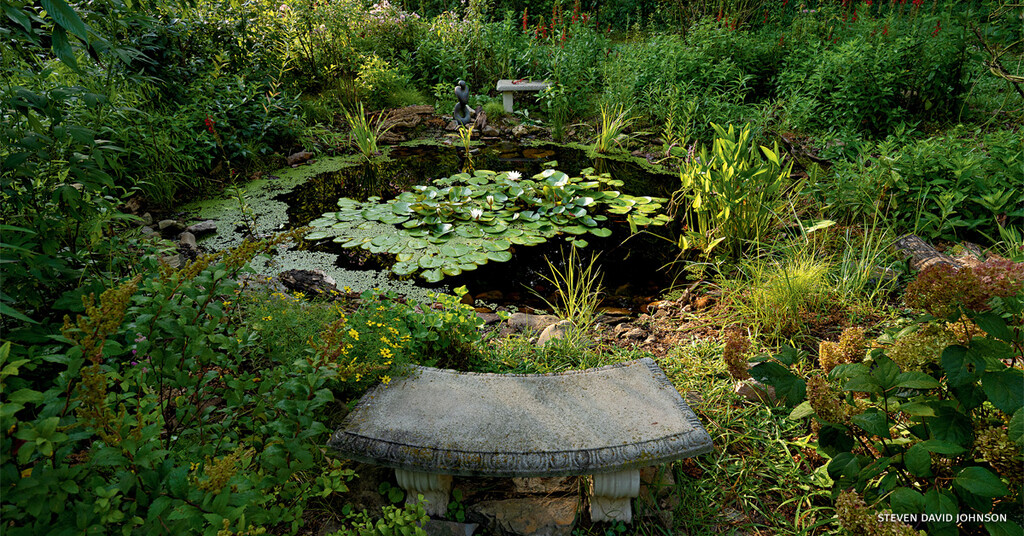
First Inhabitants Arrive on Their Own
They didn't have to buy fish or introduce amphibians to bring the pond to life. According to Maggie, just weeks after filling the pond, the first American toads appeared on their own, drawn to a place that simply didn't exist a few months earlier.
Over the years, other species joined in, and today the nights sound very different from 2017. The pond has become a magnet for local wildlife, demonstrating how quickly nature can colonize a new water feature.
Why the Backyard Pond Project Matters
This story illustrates the power of small-scale habitat creation. A single backyard pond can become a biodiversity hotspot, supporting amphibians, insects, birds, and plants. It also shows how a school project can spark a lifelong interest in ecology and conservation.
For homeowners, it's a reminder that even a modest water feature can have a significant ecological impact. The pond didn't require expensive equipment or exotic species—just water, time, and a little patience.
Key Takeaways from the Virginia Backyard Pond
- Start small: A simple hole can become a thriving ecosystem.
- Nature finds a way: Native species like toads will colonize a new pond on their own.
- Family involvement: The project grew when the whole family contributed soil, stones, and plants.
- Long-term vision: The transformation took years, but the result is a lasting habitat.
- Educational value: What began as a school assignment became an ongoing lesson in ecology.
Comparing Before and After: The Yard's Transformation
| Feature | Before (2017) | After (2026) |
|---|---|---|
| Landscape | Uneven grass, crickets at night | Pond with plants and stones |
| Wildlife | Few species | American toads and other species |
| Soundscape | Crickets | Chorus of amphibians |
| Family involvement | Maggie alone | Whole family contributed |
The table highlights how a simple backyard pond project can dramatically alter the ecology of a space. The addition of water and native plants created a ripple effect, attracting wildlife and changing the sensory experience of the yard. The background to this story is set out in Pond Protection: Why Wildlife Ponds Need Stronger Safeguards. A related thread runs through HS2 Rewilding Project Creates Thriving Wildlife Habitat. Earlier coverage in Pond Protection: Essential for Wildlife Habitats shows how the argument developed.
What to Watch Next
As the pond matures, it will be interesting to see which new species arrive. The family may observe changes in plant life and insect populations. The project also serves as a case study for others considering similar backyard habitat projects. A closer look at the same subject appears in Pond Protection Essential for Wildlife Habitats and Biodiversity. Anyone following the wider picture can start with Pond Protection Guide: How to Safeguard Wildlife Habitats. The same theme surfaces in Construction Project for a Natural Pond for Swimming at Home, which takes a different angle.
With growing interest in sustainable landscaping, this Virginia backyard pond project offers a real-world example of how individual actions can support local biodiversity. It's a story of patience, curiosity, and the unexpected rewards of digging a hole. Context on how this played out before sits in Golf Tryouts Heroics: Virginia Teens Save Family, Make Team. A companion piece, How to make a pond for your garden, approaches the same subject from another angle.
FAQ
What was the original purpose of the backyard pond project?
The pond was originally dug in 2017 by Maggie, a 14-year-old, as a project for her high school agriculture class in the Shenandoah Valley, Virginia.
Did the family introduce any animals to the pond?
No, they did not buy fish or introduce amphibians. American toads and other species appeared on their own within weeks of the pond being filled.
How long did it take for wildlife to appear?
According to Maggie, the first American toads showed up just weeks after the pond was filled in spring 2018.
What does the yard look like now?
The yard has been transformed from an uneven lawn into a pond surrounded by soil, stones, and plants, with a diverse range of wildlife and a nighttime chorus of amphibians.
Browse the Shop
 Acacia frida deluxe solid wood bed frame |
Bedroom bench |
Bed chest drawers |
Lingerie dresser |
Frame base |
Mirror with jewelry storage |
30 Bathroom Vanity |
Memory foam queen mattress |
Mattresses for back pain |
Nightstand set of 2 |
Grand Goldman Shop |
Civil Lawyer
Deutschland Trikot WM 2026







