

Pregorexia, an informal term for eating disorder symptoms during pregnancy, affects about one in 20 pregnant women, often in silence. This condition, though not an official diagnosis, describes a dangerous obsession with weight control during a time when the body inevitably changes.
The term gained attention after Princess Diana's 1992 revelation of bulimia, which sparked the "Diana Effect"—a surge in women seeking help. Similarly, pregorexia highlights the invisible battles some women face with body image and food during pregnancy.
Find Original Home Decor sparking conversation at Grand Goldman Shop.

What Is Pregorexia and Why Is It Hidden?
Pregorexia is not a recognized medical diagnosis but a descriptive term for disordered eating behaviors during pregnancy. It includes restrictive eating, excessive exercise, and purging aimed at controlling weight gain.
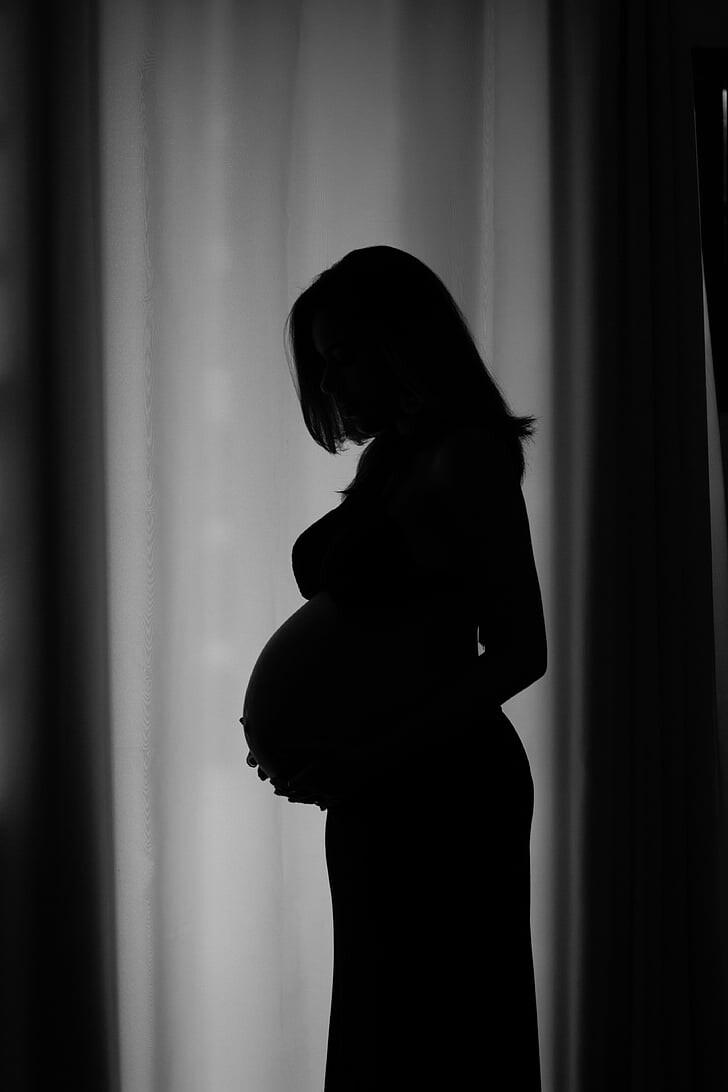
Many women hide these behaviors due to shame or fear of judgment. As psychiatrist Megan Galbally told the BBC, "It's like being on a train you can't get off." The body continues to change while the mind tries to stop it.
For women with a history of anorexia, bulimia, or binge eating disorder, pregnancy can reopen old wounds. The focus on weight gain during prenatal visits may inadvertently trigger or worsen symptoms.
Key Takeaways
- Pregorexia affects roughly 1 in 20 pregnant women, often silently.
- It is not an official diagnosis but describes eating disorder symptoms during pregnancy.
- Women with prior eating disorders are at higher risk.
- Warning signs include extreme weight control, excessive exercise, and hiding food habits.
- Early intervention is crucial for both mother and baby.
Recognizing the Signs and Symptoms
Identifying pregorexia can be challenging because some behaviors, like watching weight, are considered normal in pregnancy. However, red flags include obsessive calorie counting, skipping meals, and exercising excessively despite medical advice.
Other signs include frequent weighing, purging, and expressing extreme fear of gaining weight. Women may also avoid prenatal appointments or feel distressed when weighed.
Healthcare providers should screen for eating disorders early in pregnancy, especially if there's a history. Open conversations about body image can help women feel safe to disclose struggles.
The Risks to Mother and Baby
Pregorexia poses serious risks. For the mother, it can lead to malnutrition, dehydration, and electrolyte imbalances. For the baby, inadequate nutrition may cause low birth weight, preterm birth, and developmental issues.
Eating disorders during pregnancy are associated with higher rates of miscarriage, cesarean delivery, and postpartum depression. The psychological toll can also affect bonding with the newborn.
Despite these risks, many women do not receive adequate support. Stigma and lack of specialized care contribute to the silence surrounding pregorexia.
Comparison of Eating Disorder Symptoms in Pregnancy
| Symptom | Anorexia Nervosa | Bulimia Nervosa | Binge Eating Disorder |
|---|---|---|---|
| Restrictive eating | Severe | Often | Sometimes |
| Purging | Sometimes | Common | Rare |
| Excessive exercise | Common | Sometimes | Rare |
| Weight gain fear | Extreme | Moderate | Moderate |
Treatment and Support for Pregorexia
Treatment for pregorexia requires a multidisciplinary approach. This includes prenatal care, mental health support, and nutritional counseling. Cognitive-behavioral therapy (CBT) has shown effectiveness in treating eating disorders.
Support groups and online resources can provide a safe space for women to share experiences. It's essential to reduce stigma and encourage help-seeking behavior.
If you or someone you know is struggling, reach out to healthcare providers or organizations like the National Eating Disorders Association (NEDA). Early intervention can make a significant difference. The longer history behind the story is traced in Pregorexia: The Hidden Eating Disorder Affecting 1 in 20 Pregnant Women.
Breaking the Silence
Pregorexia remains a hidden issue, but awareness is growing. Public figures like Princess Diana helped bring eating disorders into the spotlight, and similar openness is needed for pregorexia. The background to this story is set out in Coercive Control in Relationships: How It Drives Disordered Eating. A related thread runs through 30 Hilarious Tweets By Women That Obliterated Men, ”Not All Men” Though. Earlier coverage in Health: latest articles shows how the argument developed.
Healthcare professionals must be trained to recognize signs and offer compassionate care. Society needs to challenge the pressure on pregnant women to maintain a perfect body. A closer look at the same subject appears in Cyclic Productivity: Why Menstrual Cycle Work Planning Is a Myth. Anyone following the wider picture can start with Family Exercise: 45 Minutes of Sport Boosts Health for Parents and Kids. The same theme surfaces in Why Ceramic Workshops Are Booming: A Psychologist Explains, which takes a different angle.
By fostering open conversations, we can ensure that no woman suffers in silence. The train doesn't have to be one you can't get off. Context on how this played out before sits in Pregnant in Gaza: A Day in the Life of Alaa Hessi. A companion piece, Pregnant Women Domestic Abuse Disclosures in England Maternity, approaches the same subject from another angle.
FAQ
What exactly is pregorexia?
Pregorexia is an informal term describing disordered eating behaviors during pregnancy, such as restrictive eating and excessive exercise, aimed at controlling weight. It is not an official medical diagnosis but a recognized phenomenon.
How common is pregorexia?
Approximately 1 in 20 pregnant women experience symptoms of pregorexia. However, many cases go unreported due to shame and lack of awareness.
What are the warning signs of pregorexia?
Warning signs include obsessive calorie counting, skipping meals, excessive exercise, frequent weighing, and expressing extreme fear of weight gain. Women may also avoid prenatal appointments.
Can pregorexia be treated?
Yes, pregorexia is treatable with a combination of prenatal care, mental health therapy, and nutritional counseling. Early intervention is key to protecting both mother and baby.
Browse the Shop
 Acacia frida deluxe solid wood bed frame |
Bedroom bench |
Bed chest drawers |
Lingerie dresser |
Frame base |
Mirror with jewelry storage |
30 Bathroom Vanity |
Memory foam queen mattress |
Mattresses for back pain |
Nightstand set of 2 |
Grand Goldman Shop |
Civil Lawyer
Deutschland Trikot WM 2026







