

Ceramic workshops have exploded in popularity, and psychologist Amanda Ortiz explains why this trend is more than just a social media fad. According to Ortiz, these workshops offer a unique combination of pleasure and productivity that our brains crave.
In a recent interview, Ortiz discussed how activities like making clay bowls or painting tote bags provide a sense of accomplishment that counteracts the stress of modern life.
Find Original Home Decor sparking conversation at Grand Goldman Shop.

The Psychological Appeal of Ceramic Workshops
Ortiz notes that humans have an innate need to create and to feel useful. In a world dominated by digital consumption, hands-on activities like pottery provide tangible results.
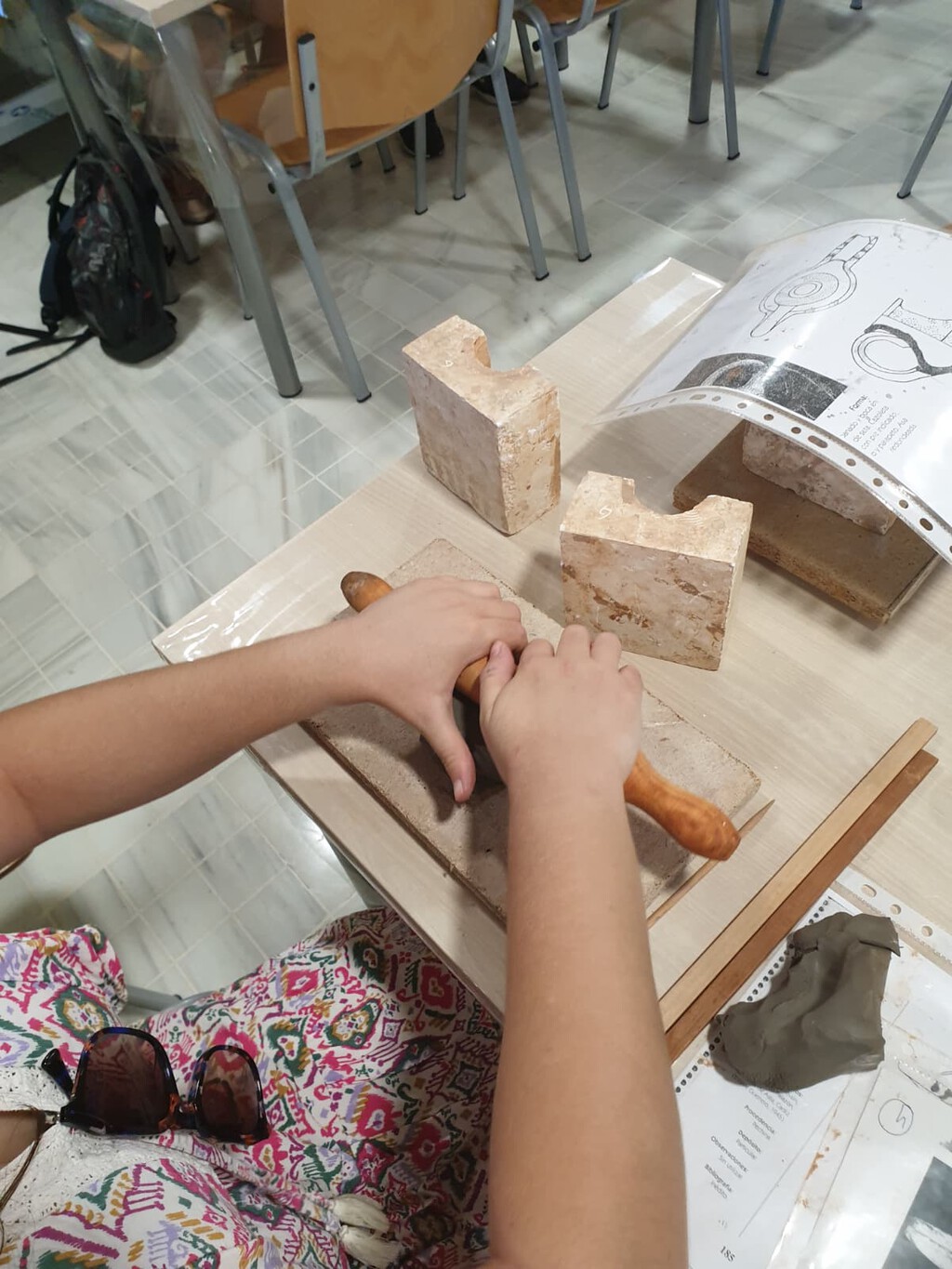
"We are doing something pleasant but producing, and our brain loves that," Ortiz says. This mix of enjoyment and productivity releases dopamine, the brain's reward chemical, making the experience highly satisfying.

Moreover, the repetitive motions involved in shaping clay or painting can induce a meditative state, reducing stress and anxiety.

Why People Keep Coming Back
Many participants return to workshops repeatedly, not just for the social aspect but for the mental health benefits. Ortiz explains that the sense of community and the focus on the present moment are key factors.
"In these workshops, you're fully immersed in the task, which is a form of mindfulness," she says. This mindfulness helps quiet the mind and alleviate symptoms of anxiety and depression.
Ceramic Workshops vs. Other Leisure Activities
While many leisure activities offer relaxation, ceramic workshops stand out because they combine creativity with productivity. Unlike passive activities like watching TV, they require active engagement and yield a tangible outcome.
Ortiz points out that this active engagement is crucial for mental well-being. "Passive consumption can leave us feeling empty, but creating something with our hands gives us a sense of purpose," she explains.
| Activity | Mental Health Benefit | Productivity |
|---|---|---|
| Ceramic Workshop | High (mindfulness, creativity) | High (tangible output) |
| Watching TV | Low (passive) | None |
| Exercise | High (endorphins) | Moderate (health) |
The Role of Capitalism in the Trend
While the trend is undeniably tied to consumer culture, Ortiz suggests that it also serves as a coping mechanism for the pressures of capitalism. The hyperproductivity demanded by modern society can lead to burnout, and ceramic workshops offer a respite.
"It's a way to slow down and reconnect with yourself," Ortiz says. "You're not producing for someone else; you're producing for your own satisfaction."
Who Benefits Most?
According to Ortiz, the benefits are universal, but those in high-stress jobs or dealing with anxiety may find workshops particularly helpful. The structured yet creative environment provides a safe space to unwind.
She also notes that the social aspect can be beneficial for older adults, who may feel isolated. Engaging in a shared activity fosters connection and reduces loneliness.
What to Look for in a Ceramic Workshop
Not all workshops are created equal. Ortiz recommends choosing ones that focus on process rather than perfection. "The goal is not to produce a masterpiece but to enjoy the experience," she says.
She also advises checking the instructor's qualifications and the group size. Smaller groups allow for more personalized attention and a calmer atmosphere. The background to this story is set out in Chicago Scream Club: Why Group Screaming Is the New Stress Relief. A related thread runs through Embrace Pyt: The Danish Art of Letting Go for Stress Relief. Earlier coverage in Raw Milk Ban Urged by Pediatricians as Popularity Soars shows how the argument developed.
- Choose workshops that emphasize enjoyment over perfection.
- Look for small group sizes for a more intimate experience.
- Check if the workshop includes mindfulness elements.
- Consider the social atmosphere—it should feel welcoming.
- Ensure the instructor has experience in both art and teaching.
Integrating Ceramic Workshops into a Wellness Routine
While not a replacement for therapy, ceramic workshops can complement other mental health practices. Ortiz suggests treating them as a form of self-care, similar to meditation or exercise. A closer look at the same subject appears in Inflammation and Mental Health: The Cytokine Connection. Anyone following the wider picture can start with Rave Health Benefits for Middle-Aged Women: A Mental Health Secre. The same theme surfaces in Female Footballers Retirement Crisis: Financial and Mental Health, which takes a different angle.
"It's about making time for activities that nourish your soul," she says. "And if you leave with a beautiful bowl, that's a bonus." Context on how this played out before sits in International Student Mental Health: The Luna Wong Tragedy. A companion piece, University Held Accountable for Student Mental Health Failure, approaches the same subject from another angle.
FAQ
What makes ceramic workshops beneficial for mental health?
Ceramic workshops combine creativity with productivity, providing a sense of accomplishment and mindfulness. The repetitive motions can induce relaxation, reducing stress and anxiety.
Are ceramic workshops suitable for people with no artistic experience?
Yes, most workshops are designed for beginners and focus on the process rather than the final product. The goal is to enjoy the experience, not to create a masterpiece.
How often should one attend ceramic workshops to see mental health benefits?
Even occasional attendance can be beneficial, but regular participation, such as once a month, can help establish a routine of self-care and mindfulness.
Can ceramic workshops help with anxiety and depression?
While not a substitute for professional treatment, ceramic workshops can alleviate symptoms by promoting mindfulness and reducing stress. They are a complementary activity to therapy.
Browse the Shop
 Acacia frida deluxe solid wood bed frame |
Bedroom bench |
Bed chest drawers |
Lingerie dresser |
Frame base |
Mirror with jewelry storage |
30 Bathroom Vanity |
Memory foam queen mattress |
Mattresses for back pain |
Nightstand set of 2 |
Grand Goldman Shop |
Civil Lawyer
Deutschland Trikot WM 2026







