

NASA's Artemis II Moon flyby photos have given us a fresh look at the lunar far side, and that alone makes the mission worthwhile. More than half a century after the Apollo era, a crewed spacecraft has once again traveled around the Moon, capturing images that remind us why lunar exploration matters.
What Happened During the Artemis II Flyby
Artemis II has completed its lunar flyby, and the Orion spacecraft has already left the Moon's sphere of influence, beginning its journey back to Earth. There was no landing, as expected, but the mission has already delivered something remarkable: a new set of images taken by the crew from a human perspective.
Find Original Home Decor sparking conversation at Grand Goldman Shop.

According to NASA, the crew photographed the Moon in various phases during the flyby, capturing both surface details and broader scenes of the surrounding space. This material is being organized and published in NASA's multimedia repository, where images, videos, and other content are available. It's not a one-time release but a growing archive that will expand over time.
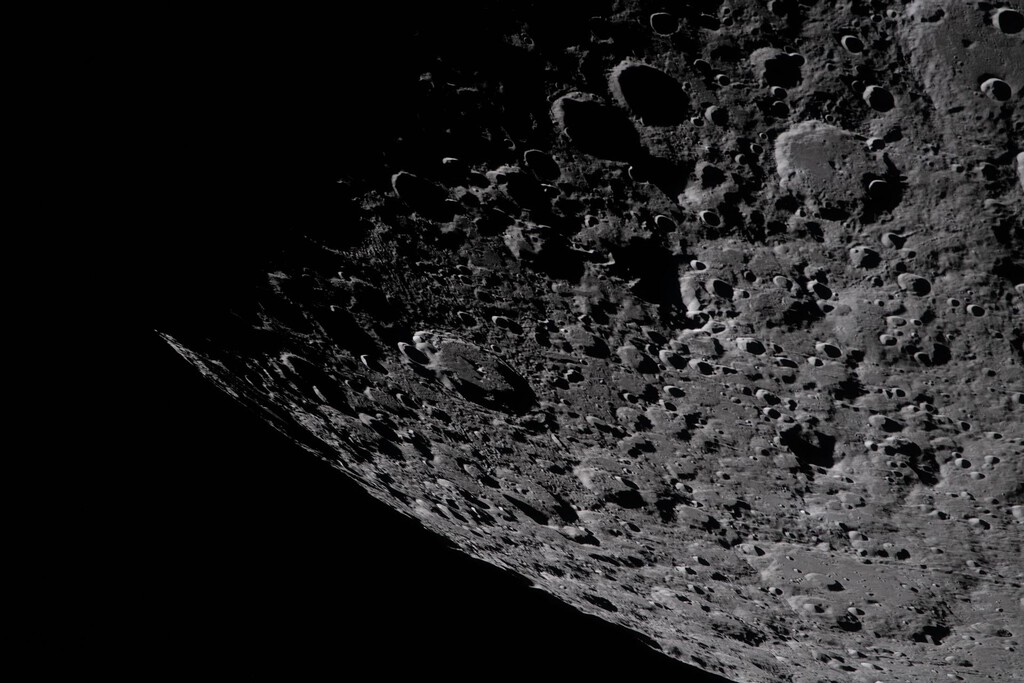
Why These Photos Matter
The images from Artemis II are more than just pretty pictures. They represent the first crewed views of the Moon from close range in decades, offering a unique perspective that only human eyes can provide. While robotic missions have sent back incredible data, there's something special about seeing the Moon through the lens of a human-operated camera.
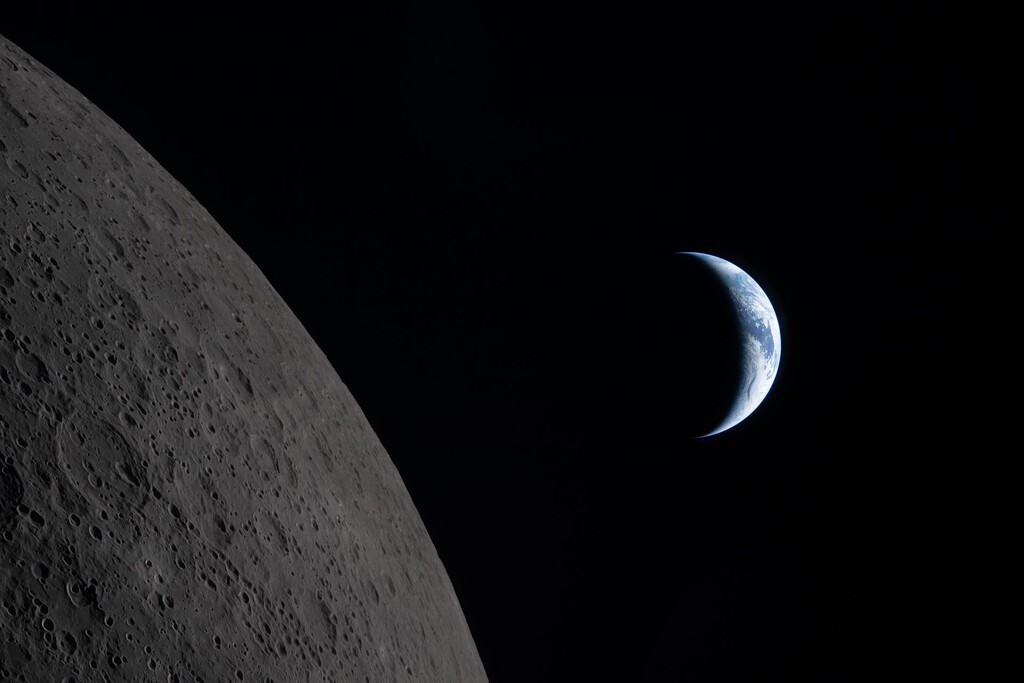
These photos also serve a practical purpose: they help scientists and engineers study the lunar surface in preparation for future landings. The Artemis program aims to return humans to the Moon, and the observations from this flyby will inform those plans.
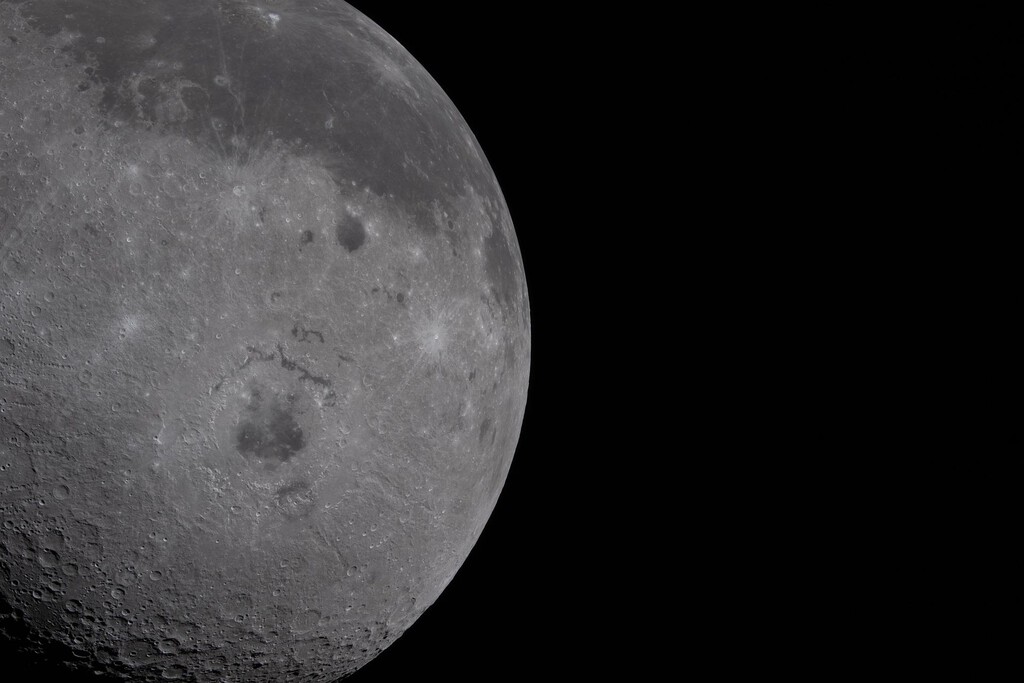
Key Takeaways from the Artemis II Mission
- Historic crewed flyby: Artemis II is the first crewed mission to travel to the Moon since Apollo 17 in 1972.
- No landing, but valuable data: The mission focused on testing systems and capturing imagery, not on landing.
- Growing multimedia archive: NASA is continuously releasing new images and videos from the mission.
- Preparation for future landings: The flyby helps validate technology and procedures for Artemis III and beyond.
- Public engagement: The stunning visuals inspire global interest in lunar exploration.
What the Photos Reveal
The images captured by the Artemis II crew show the Moon in striking detail. From close-up views of craters to wide-angle shots that include the Earth in the distance, the photos offer a new perspective on our nearest neighbor. Some of the most powerful scenes show the Moon dominating the frame, with the blackness of space providing a stark contrast.
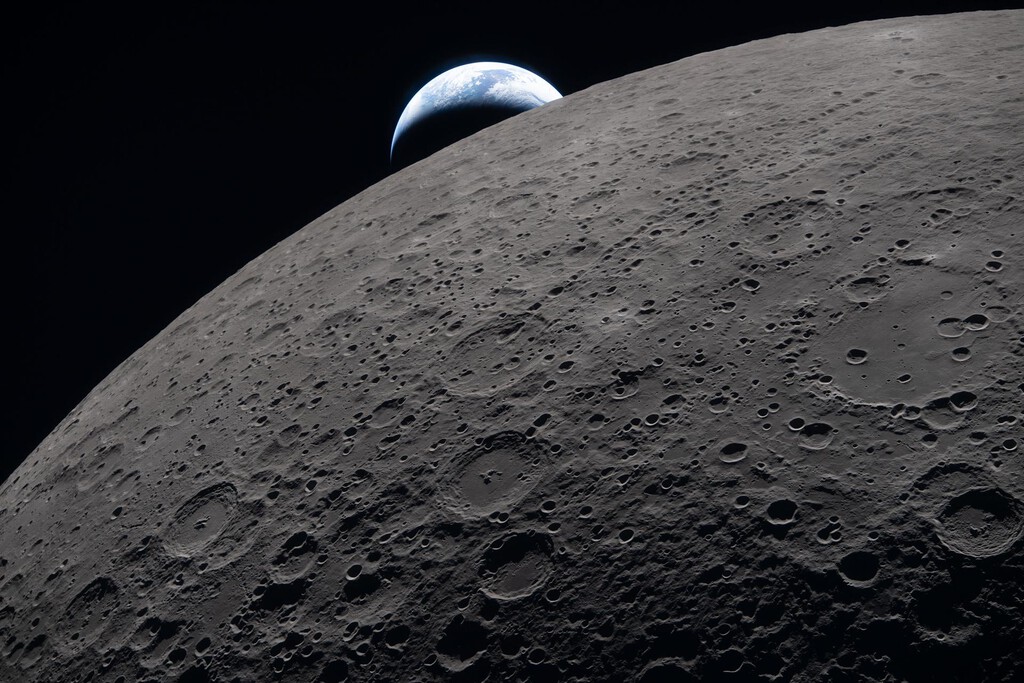
These photos are not just for public consumption; they are also being analyzed by scientists. The crew's observations will help researchers better understand the lunar surface and its environment.
Comparison of Artemis II with Previous Missions
| Mission | Year | Crewed? | Landing? | Key Achievement |
|---|---|---|---|---|
| Apollo 8 | 1968 | Yes | No | First crewed lunar orbit |
| Apollo 11 | 1969 | Yes | Yes | First crewed landing |
| Artemis I | 2022 | No | No | Uncrewed test flight |
| Artemis II | 2024 | Yes | No | Crewed flyby and photography |
Note: Artemis II launch date is subject to change; the year listed is based on the latest available information. The background to this story is set out in Artemis II Splashdown: Orion Returns Astronauts to Lunar History. A related thread runs through NASA Launches Artemis II First Crewed Moon Flyby in Over 50 Years. Earlier coverage in NASA's Artemis II: Astronauts Use T-Shirts as Blinds on Orion shows how the argument developed.
What to Watch Next
With Artemis II on its way home, attention will shift to the next steps in the Artemis program. NASA plans to review the data from this mission to inform Artemis III, which aims to land astronauts on the Moon for the first time since 1972. The images and videos from Artemis II will continue to be released in the coming weeks, providing more insights into the lunar environment. A closer look at the same subject appears in Artemis II Success but NASA's Ambitious Lunar Plan Faces Delays. Anyone following the wider picture can start with NASA Sends Three Fully Autonomous Robots to the Moon. The same theme surfaces in Artemis II Crew Earns Top US Space Medal for Lunar Mission, which takes a different angle.
Additionally, the success of this flyby will help build momentum for international partnerships and commercial involvement in lunar exploration. The photos captured by the crew will undoubtedly inspire a new generation of explorers. Context on how this played out before sits in Spacecraft Rescue Mission for NASA Telescope Fails. A companion piece, Manager Threatens To Have Ex-Employee Fired Even Though They Had Given Their Two Week Notice Over A Month Ago, approaches the same subject from another angle.
FAQ
What is Artemis II?
Artemis II is NASA's first crewed mission to the Moon since the Apollo era. It is a flyby mission that tests the Orion spacecraft and its systems with astronauts aboard, paving the way for future lunar landings.
Did Artemis II land on the Moon?
No, Artemis II did not land on the Moon. It was designed as a flyby to test spacecraft systems and gather data, including photographs, from a crewed perspective.
Where can I see the photos from Artemis II?
NASA is publishing the images and videos from Artemis II in its multimedia repository, which is accessible to the public online. The archive is regularly updated as new material becomes available.
Why are these photos important?
The photos provide a unique human perspective of the Moon and help scientists study the lunar surface. They also serve to inspire the public and support planning for future Artemis missions.
Browse the Shop
 Acacia frida deluxe solid wood bed frame |
Bedroom bench |
Bed chest drawers |
Lingerie dresser |
Frame base |
Mirror with jewelry storage |
30 Bathroom Vanity |
Memory foam queen mattress |
Mattresses for back pain |
Nightstand set of 2 |
Grand Goldman Shop |
Civil Lawyer
Deutschland Trikot WM 2026







