

Colonizing Mars will require construction materials that are not readily available on the Red Planet, and a new proposal suggests mining metallic asteroids to fill that gap. The idea, led by aerospace engineer Serena Suriano, addresses one of the biggest hurdles for future Martian settlers: the lack of suitable metals for building.
While we have yet to establish bases on the Moon, some researchers are already thinking about how to construct settlements on Mars. If building on our satellite is a challenge, doing so on the Red Planet is the ultimate test of complexity. That is why, even though it will be a long time before such a scenario is viable, it is worth considering strategies now.
Find Original Home Decor sparking conversation at Grand Goldman Shop.

The Challenge of Building on Mars
Mars is not exactly a builder's paradise. The planet's surface is rich in iron oxide (hence its red color), but the metals needed for construction, such as molybdenum, are not easily accessible. Transporting materials from Earth is prohibitively expensive and impractical for large-scale construction.
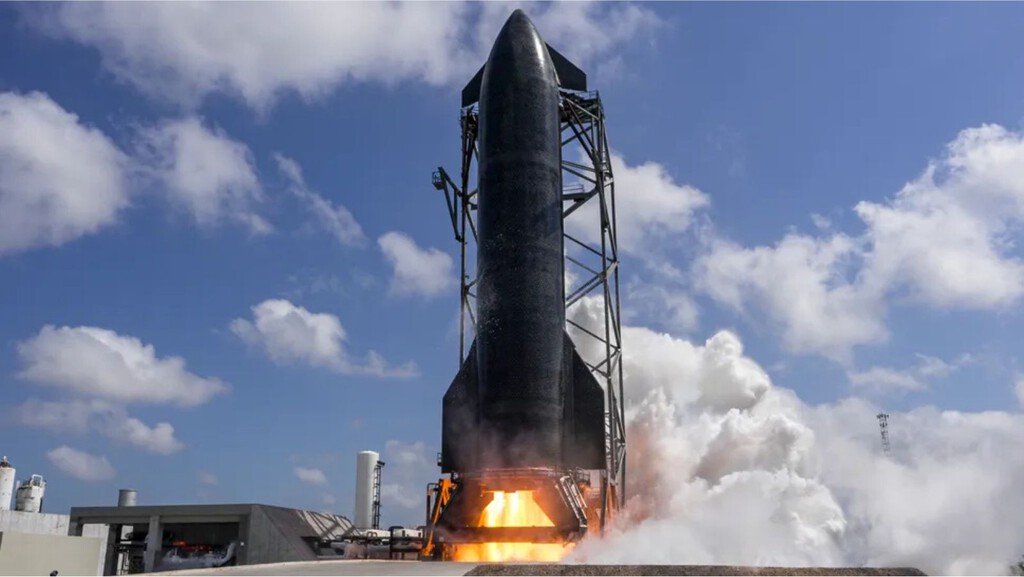
Therefore, scientists are looking to the asteroid belt for resources. Metallic asteroids contain valuable metals that could be mined and used for construction. However, reaching these asteroids is not a simple task.
Why Metallic Asteroids?
Metallic asteroids, such as those in the asteroid belt between Mars and Jupiter, are rich in metals like iron, nickel, and precious metals including molybdenum. These materials are essential for building structures, tools, and machinery.
Mining these asteroids would provide a local source of materials, reducing the need for costly Earth-to-Mars transport. This approach aligns with the broader goal of in-situ resource utilization (ISRU), which aims to use local materials to support space exploration.
The Orbital Dance Problem
Traveling to these asteroids and bringing materials back to Mars is not like a quick trip to the store. The main challenge is the orbital mechanics involved: the complex dance of trajectories needed to leave Mars, reach the asteroid, and return.
Fortunately, the team suggests that this problem could be solved with a couple of "pit stops." By strategically planning the mission, spacecraft could use gravity assists and other techniques to reduce fuel consumption and travel time.
Key Takeaways
- Colonizing Mars requires construction materials that are scarce on the planet.
- Metallic asteroids in the asteroid belt contain metals like molybdenum needed for building.
- The main challenge is the orbital mechanics of traveling to and from asteroids.
- Scientists propose using "pit stops" to make the journey more feasible.
- This strategy is part of a broader effort to utilize local resources in space.
Comparison of Material Sources
| Source | Advantages | Challenges |
|---|---|---|
| Earth | Established supply chain | High cost, long transit times |
| Mars Surface | Local, accessible | Limited metal availability |
| Metallic Asteroids | Rich in metals, potentially abundant | Complex orbital mechanics, mining technology |
What This Means for Future Mars Missions
If asteroid mining becomes feasible, it could revolutionize how we build on Mars. Instead of hauling materials from Earth, settlers could rely on locally sourced metals. This would reduce costs and enable larger-scale construction. The background to this story is set out in Mars Colonization Dreams: Why Space Colonies Are a Terrible Idea. A related thread runs through Lula Accuses Trump of Colonizing Brazil for Resources. Earlier coverage in Japan's Hayabusa 2 Asteroid Defense Test: What to Know shows how the argument developed.
However, significant technological and logistical hurdles remain. Mining asteroids requires advanced robotics, autonomous systems, and efficient propulsion. Moreover, the legal and ethical frameworks for space resource extraction are still being developed. A closer look at the same subject appears in China Challenges US Leadership in Asteroid Defense. Anyone following the wider picture can start with China's Tianwen-2 Mission to Reach Kamo'oalewa Asteroid. The same theme surfaces in OSIRIS-REx Samples Solve Asteroid Bennu Thermal Mystery, which takes a different angle.
Despite these challenges, proposals like Suriano's are important steps toward making Mars colonization a reality. They encourage us to think creatively about resource utilization and international collaboration. Context on how this played out before sits in Apophis Asteroid 2029 Flyby: Earth's Space Junk Risk Explained. A companion piece, Mysterious Asteroid 1998 KY26 Moves Like Something Is Pushing, approaches the same subject from another angle.
FAQ
Why can't we just use materials from Mars?
Mars has limited access to certain metals needed for construction, such as molybdenum. While some materials are available, they are not sufficient for large-scale building, necessitating alternative sources.
What are metallic asteroids?
Metallic asteroids are asteroids composed primarily of metals like iron and nickel, often mixed with precious metals. They are found mainly in the asteroid belt and are considered valuable resources for future space endeavors.
How would we transport materials from asteroids to Mars?
The proposal suggests using spacecraft that can travel to asteroids, mine materials, and return to Mars. The challenge is the orbital mechanics, but with strategic planning and "pit stops," it could be feasible.
Is this technology available now?
No, asteroid mining technology is still in early stages. It requires advancements in robotics, propulsion, and autonomous systems. However, research is ongoing, and concepts are being developed.
Browse the Shop
 Acacia frida deluxe solid wood bed frame |
Bedroom bench |
Bed chest drawers |
Lingerie dresser |
Frame base |
Mirror with jewelry storage |
30 Bathroom Vanity |
Memory foam queen mattress |
Mattresses for back pain |
Nightstand set of 2 |
Grand Goldman Shop |
Civil Lawyer
Deutschland Trikot WM 2026







