

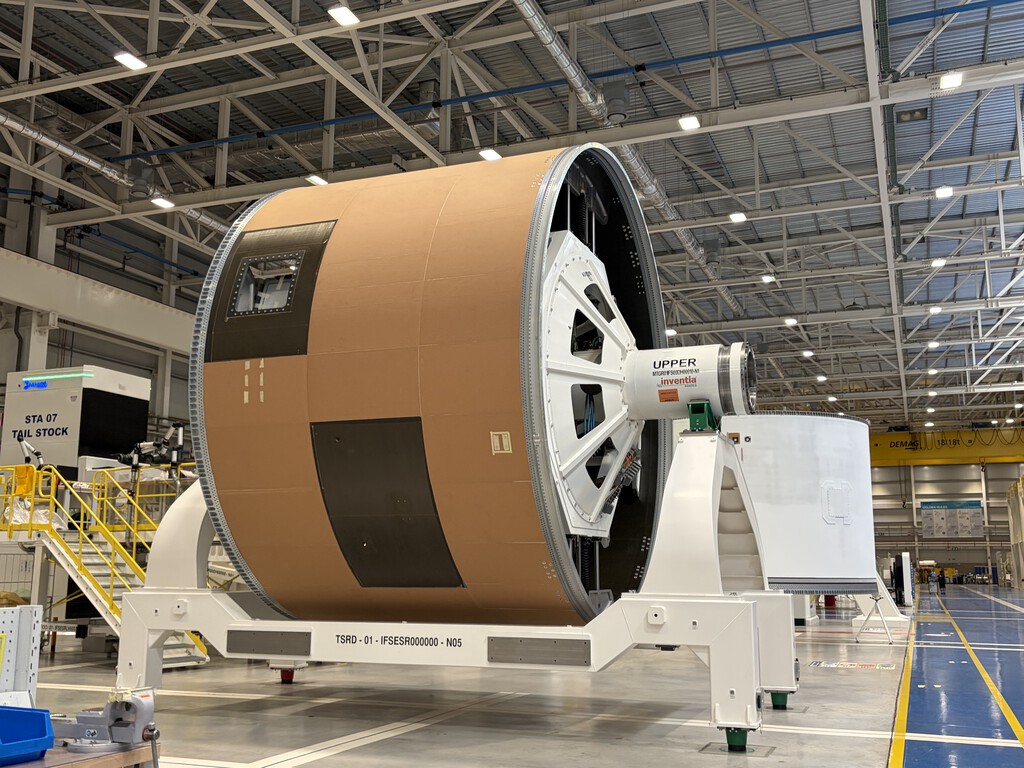
Cork, the natural material best known for wine stoppers, is playing a surprising role in Europe's Ariane 6 rocket. During a recent visit to Airbus facilities in Getafe, Spain, engineers revealed that a yellowish surface on rocket parts is actually cork, used as a thermal insulator. This unexpected choice highlights how aerospace engineers balance high-tech materials with practical, proven solutions.
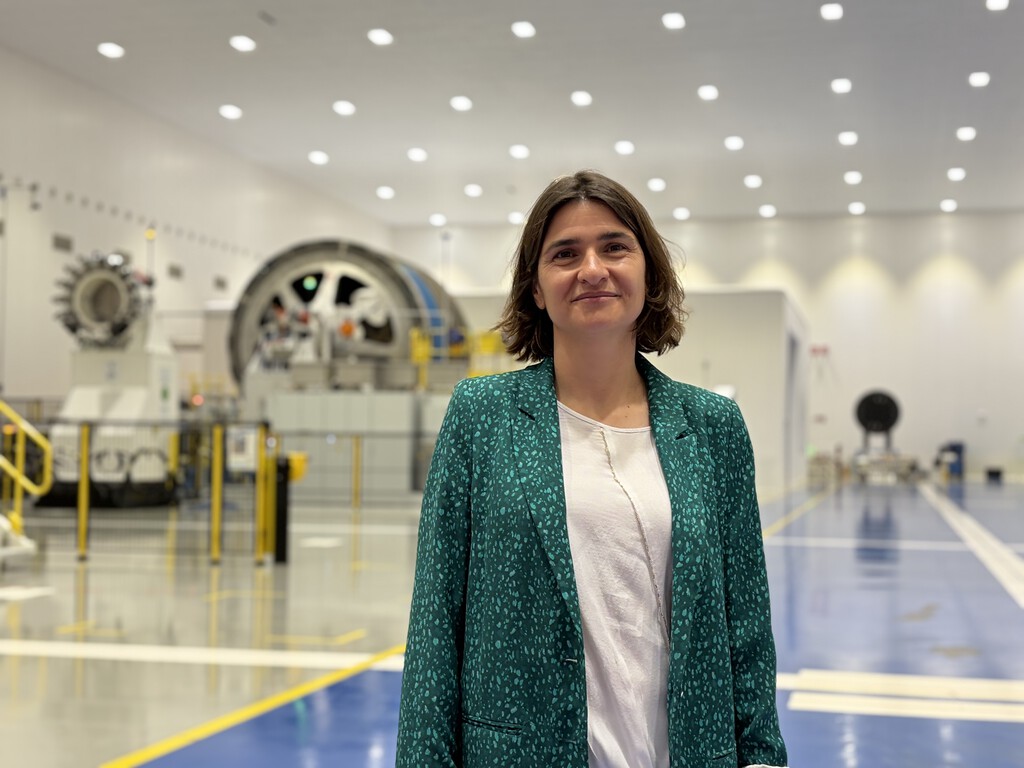
The revelation came from Verónica Villanueva, head of Manufacturing, Assembly, Integration and Testing at Airbus Space Systems in Spain. Pointing to the part, she said, "This yellowish thing you see here is cork, it's the thermal insulator that is put on, it's super curious, right?" The statement was not just a curiosity for visitors; it underscored a critical engineering decision.
Find Original Home Decor sparking conversation at Grand Goldman Shop.

Why Cork in a Rocket?
Rockets like Ariane 6 operate in extreme environments. During launch, they face intense vibrations, aerodynamic heating, and acoustic loads. Once in space, they must endure temperature swings that can range from scorching sunlight to freezing shadows. Thermal protection is essential to keep sensitive structures and components safe.
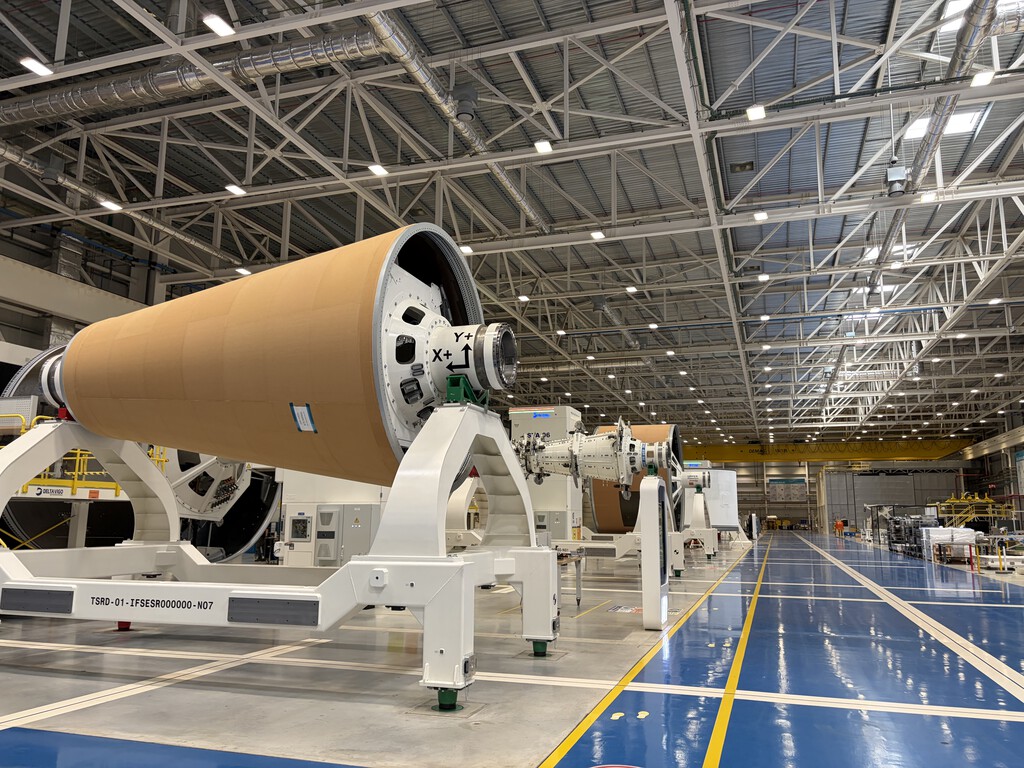
Cork offers several advantages. It is lightweight, an excellent insulator, and can withstand high temperatures. It is also relatively inexpensive and easy to work with. In the context of a rocket, every kilogram matters, so using a material that is both effective and lightweight is a smart choice.
Moreover, cork is a natural, renewable resource. Its use aligns with broader sustainability goals in the aerospace industry, which is increasingly looking for eco-friendly alternatives without compromising performance.
Ariane 6: A European Collaboration
Ariane 6 is not a rocket built by a single company. It is a European launcher led by ArianeGroup, with Airbus playing a key role in manufacturing several structures and elements. The parts made in Spain are part of this collaborative effort.
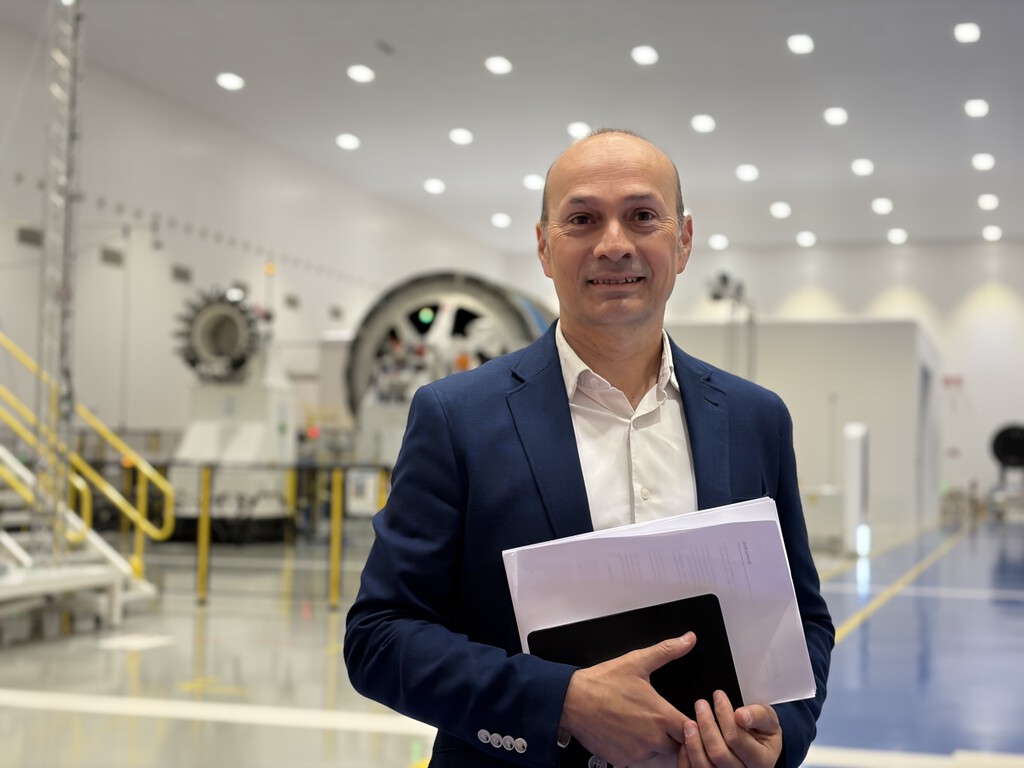
Airbus's facility in Getafe is one of several sites across Europe contributing to the Ariane 6 program. The work involves precision manufacturing, assembly, and testing of components that must meet stringent space standards. The use of cork in these parts demonstrates the kind of practical innovation that goes into making a reliable launch vehicle.
Key Takeaways
- Cork is used as a thermal insulator in Ariane 6 rocket parts manufactured by Airbus in Spain.
- Its lightweight and insulating properties make it ideal for protecting structures during launch and in space.
- Ariane 6 is a European launcher involving multiple companies, with Airbus contributing key structures.
- The choice of cork reflects a balance of performance, cost, and sustainability in aerospace engineering.
Comparing Thermal Protection Materials
While cork might seem low-tech, it holds its own against more exotic materials. The table below compares cork with other common thermal protection materials used in aerospace.
| Material | Key Properties | Typical Use |
|---|---|---|
| Cork | Lightweight, excellent insulator, renewable, low cost | Thermal insulation for rocket structures |
| Carbon Phenolic | High heat resistance, ablative | Heat shields for re-entry |
| Aerogel | Ultra-low density, superior insulation | Insulation in tight spaces |
| Cork Composite | Enhanced mechanical properties | Structural insulation |
Each material has its place. Cork's combination of benefits makes it particularly suited for certain applications where weight and cost are critical. The longer history behind the story is traced in Cork Heat Shield: The Secret Material in Ariane 6 Parts. More on the surrounding debate is collected in Spain's Space Power: Airbus Director Warns of Talent Gap.
What This Means for the Future of Space Travel
The use of cork in Ariane 6 is a reminder that innovation doesn't always mean abandoning traditional materials. Sometimes, the best solution is the one that has been proven over time. As space agencies and companies look to reduce costs and increase sustainability, natural materials like cork could see broader use. The background to this story is set out in Ariane 6: Europe's Reliable Rocket Faces Costly Evolution Halt. A related thread runs through Cork Flooring: Surprising Beauty and Practical Benefits for Your Home. Earlier coverage in Cork Nativity Scene: A Natural DIY Christmas Craft shows how the argument developed.
For Airbus and its partners, the focus remains on delivering a reliable launcher. The Ariane 6 program is set to provide Europe with independent access to space, and every component, no matter how small or seemingly mundane, plays a part. A closer look at the same subject appears in DIY Cork Curtain. Anyone following the wider picture can start with Ideas to Reuse Wine Cork. The same theme surfaces in Airbus Folding Wings Test: Next-Gen Plane Breakthrough, which takes a different angle.
As the rocket takes shape in facilities like Getafe, the presence of cork is a testament to the ingenuity of engineers who are not afraid to think outside the box—or inside the tree. Context on how this played out before sits in Airbus Digital Campus in Albacete to Hire 200 Employees. A companion piece, Science: latest articles, approaches the same subject from another angle.
FAQ
Why is cork used as a thermal insulator in rockets?
Cork is lightweight, an excellent insulator, and can withstand high temperatures. It is also cost-effective and renewable, making it an attractive choice for protecting rocket structures.
Is cork used in other parts of the Ariane 6 rocket?
The article mentions cork on specific parts manufactured by Airbus in Spain. It is likely used in other areas where thermal protection is needed, but details are not provided.
How does cork compare to synthetic materials for thermal protection?
Cork offers a good balance of properties: it is lighter than many metals, cheaper than advanced composites, and effective as an insulator. Synthetic materials may offer higher performance in extreme conditions, but cork is sufficient for many applications.
What is Airbus's role in the Ariane 6 program?
Airbus manufactures several key structures and elements for the Ariane 6 rocket, including parts made at its facility in Getafe, Spain. The company collaborates with ArianeGroup and other partners across Europe.
Browse the Shop
 Acacia frida deluxe solid wood bed frame |
Bedroom bench |
Bed chest drawers |
Lingerie dresser |
Frame base |
Mirror with jewelry storage |
30 Bathroom Vanity |
Memory foam queen mattress |
Mattresses for back pain |
Nightstand set of 2 |
Grand Goldman Shop |
Civil Lawyer
Deutschland Trikot WM 2026







