

Decathlon, the French sporting goods giant known for affordable outdoor gear, has quietly entered the space race with its EuroSuit space suit prototype. The intravehicular suit was recently tested by European Space Agency astronaut Sophie Adenot aboard the International Space Station (ISS), according to NASA documentation. This unexpected foray into aerospace highlights how everyday brands are reshaping specialized industries.
The EuroSuit is not designed for spacewalks but for use inside spacecraft and habitats, where comfort and mobility are critical during long missions. Its testing on the ISS signals a significant step forward for the project and for Decathlon's engineering capabilities.
Find Original Home Decor sparking conversation at Grand Goldman Shop.

What Is the EuroSuit Space Suit?
The EuroSuit is a prototype intravehicular activity (IVA) suit developed by a European consortium. Unlike extravehicular suits used for spacewalks, IVA suits are worn inside vehicles to protect astronauts during launch, reentry, and emergency depressurization. They must be lightweight, flexible, and easy to don quickly.
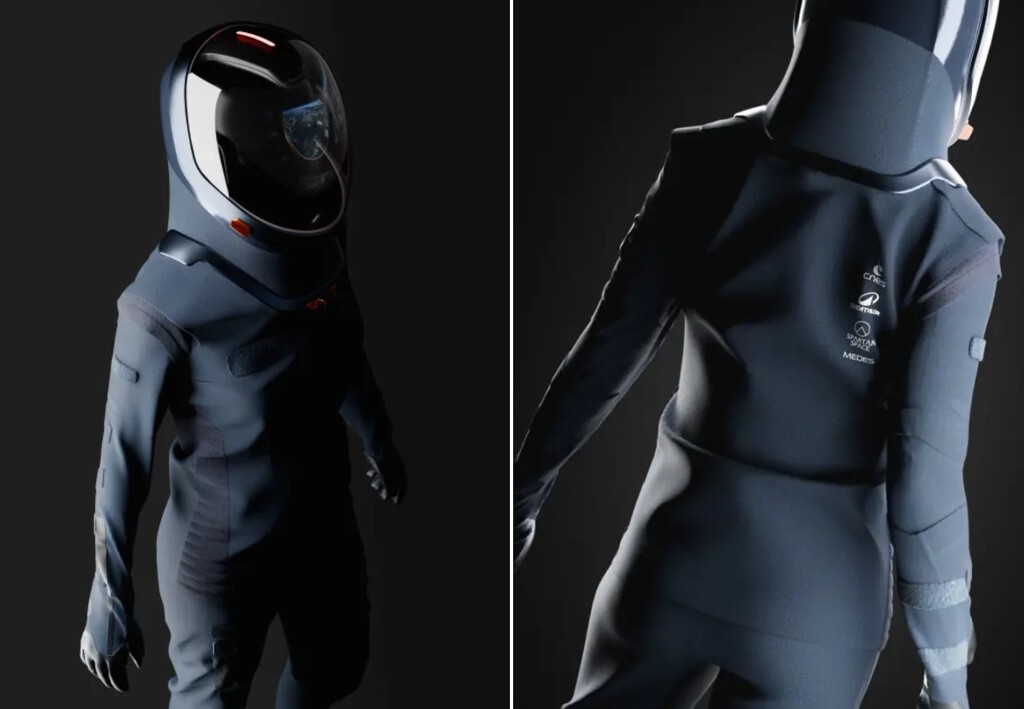
Decathlon's involvement brings a fresh perspective from the consumer sportswear world, where comfort, breathability, and cost-efficiency are paramount. The company's expertise in designing gear for active lifestyles could translate into more ergonomic and user-friendly space apparel.
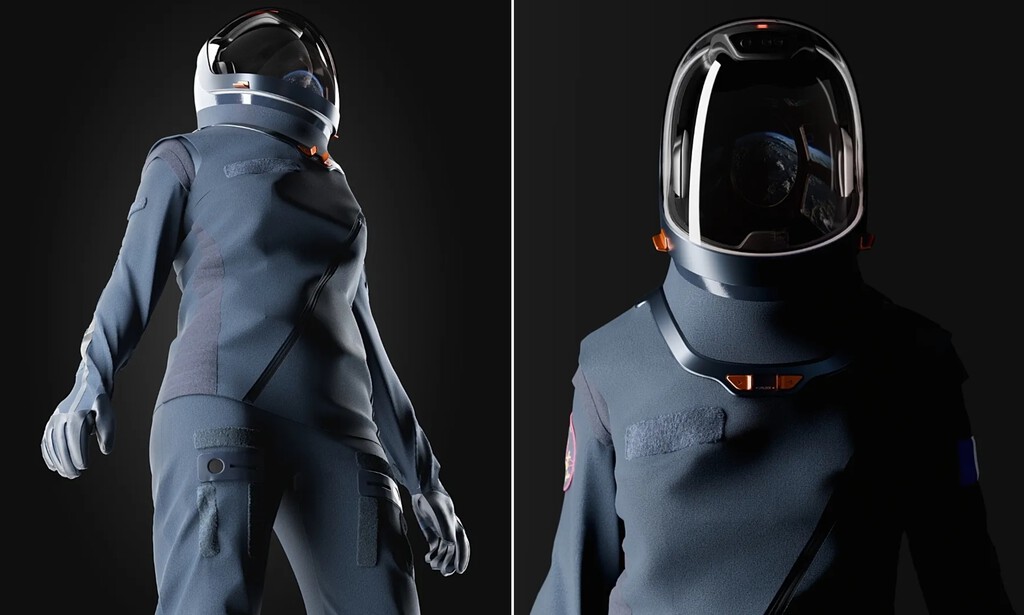
Key Features and Design Goals
The EuroSuit aims to address common challenges of traditional IVA suits, which astronauts often find bulky and restrictive. By leveraging Decathlon's know-how in materials and fit, the prototype seeks to enhance mobility and reduce fatigue during long-duration missions.
NASA reported that Adenot tested the suit in the Columbus module to evaluate its comfort, mobility, and ease of use. These factors are crucial for astronauts who may need to wear the suit for hours during emergencies.
Why Decathlon's Entry Matters
Decathlon's move into space technology is emblematic of a broader trend: commercial companies are increasingly contributing to space exploration. This shift not only fosters innovation but also potentially lowers costs through competition and fresh approaches.
For Decathlon, the project offers a chance to showcase its R&D capabilities and push the boundaries of product design. Success could open doors to new markets and partnerships in the aerospace sector.
- Innovation from unexpected sources: Decathlon's consumer-focused design philosophy could lead to more astronaut-friendly suits.
- Cost efficiency: Commercial involvement may reduce the overall expense of space suit development.
- Real-world testing: The ISS trials provide invaluable data for refining the prototype.
- Brand elevation: Participation in a high-profile space project enhances Decathlon's reputation for technical excellence.
- Future applications: Lessons learned could improve consumer products like extreme-weather gear.
How the EuroSuit Compares to Traditional Space Suits
Traditional IVA suits, such as the Russian Sokol or the American ACES, prioritize safety and redundancy but are often criticized for limited mobility. The EuroSuit aims to strike a better balance by incorporating flexible materials and a more tailored fit.
| Feature | Traditional IVA Suits | EuroSuit Prototype |
|---|---|---|
| Mobility | Limited due to rigid joints | Enhanced with flexible fabrics |
| Weight | Heavy (approx. 10-15 kg) | Lighter materials targeted |
| Donning Time | Several minutes | Quick-don design emphasized |
| Comfort | Often reported as bulky | User-centric ergonomics |
| Cost | High due to specialized manufacturing | Potential cost reduction via commercial partners |
While the table compares general characteristics, specific data for the EuroSuit is still under evaluation. The ISS tests will provide critical insights into its performance.
What the ISS Testing Revealed
Sophie Adenot's tests in the Columbus module focused on practical aspects: how the suit feels during movement, how easily it can be put on and taken off, and whether it allows for effective communication and operation of equipment. Such real-world feedback is essential for iterating the design.
NASA's documentation of the activity underscores the collaborative nature of the project, involving ESA and international partners. It also validates Decathlon's ability to meet rigorous spaceflight standards.
Next Steps for the EuroSuit
Following the ISS trials, the consortium will analyze data and refine the prototype. Future tests may include longer durations and more diverse astronaut body types. Ultimately, the suit could be adopted for missions to the Moon or Mars, where IVA suits are vital for crew safety. Context on how this played out before sits in Decathlon's EuroSuit Space Suit Passes Astronaut Tests on ISS.
The Bigger Picture: Commercial Space Innovation
Decathlon's venture into space suits is part of a larger wave of commercial space innovation. Companies like SpaceX and Blue Origin have already disrupted launch services, and now traditional manufacturers face competition from agile, consumer-oriented firms. The background to this story is set out in Australia Offers Astronaut Katherine Bennell-Pegg for 2028 ISS Mission. A related thread runs through Science: latest articles.
This trend could accelerate technological advancements and make space travel more accessible. For consumers, it may lead to spinoff technologies in outdoor gear, from improved insulation to better moisture management. Earlier coverage in What Is an Exoplanet? Inside the Search for Distant Worlds shows how the argument developed. A closer look at the same subject appears in Solar Storms Explained: Why Modern Society Is So Vulnerable.
As space agencies plan for long-duration missions, the demand for comfortable, reliable IVA suits will grow. Decathlon's early involvement positions it as a potential key player in this niche but critical market. Anyone following the wider picture can start with Apophis Asteroid 2029 Flyby: Earth's Space Junk Risk Explained. The same theme surfaces in Breathing Space Budget: Relief for Government, Not Just Consumers, which takes a different angle.
FAQ
What is the EuroSuit space suit?
The EuroSuit is a prototype intravehicular space suit developed by a European consortium, designed for use inside spacecraft and habitats. It prioritizes comfort and mobility for astronauts during missions.
Why is Decathlon involved in space suit design?
Decathlon brings expertise in creating affordable, comfortable sportswear, which can translate into more ergonomic space suits. Its involvement reflects a growing trend of commercial companies contributing to space technology.
Has the EuroSuit been tested in space?
Yes, ESA astronaut Sophie Adenot tested the EuroSuit aboard the ISS in the Columbus module, evaluating its comfort, mobility, and ease of use. This testing is a crucial step in its development.
Will the EuroSuit be used for spacewalks?
No, the EuroSuit is an intravehicular suit, not designed for spacewalks. It is intended for use inside spacecraft to protect astronauts during launch, reentry, and emergencies.
Browse the Shop
 Acacia frida deluxe solid wood bed frame |
Bedroom bench |
Bed chest drawers |
Lingerie dresser |
Frame base |
Mirror with jewelry storage |
30 Bathroom Vanity |
Memory foam queen mattress |
Mattresses for back pain |
Nightstand set of 2 |
Grand Goldman Shop |
Civil Lawyer
Deutschland Trikot WM 2026







