

The phrase eclipse eye pain became a sudden concern for many after the April 8, 2024, solar eclipse. Google searches for “my eyes hurt” spiked dramatically at 3:00 PM Eastern Time, coinciding with the eclipse's path across Mexico, the United States, and Canada. This surge highlights a recurring human tendency: ignoring scientific warnings about looking directly at the sun.
Despite centuries of advice—attributed even to Socrates—people still risk their vision during eclipses. The 2024 event was no exception, with searches concentrated in states like Vermont, Arkansas, Michigan, Ohio, and Indiana, all within the eclipse's path. This pattern suggests that curiosity often overrides caution, leading to potential eye damage.
Find Original Home Decor sparking conversation at Grand Goldman Shop.

What Is Eclipse Retinopathy?
Eclipse retinopathy is a serious eye condition caused by looking directly at the sun during an eclipse. The intense light can damage the retina, leading to symptoms such as photosensitivity, blurred vision, and headaches. In severe cases, vision loss can be permanent.
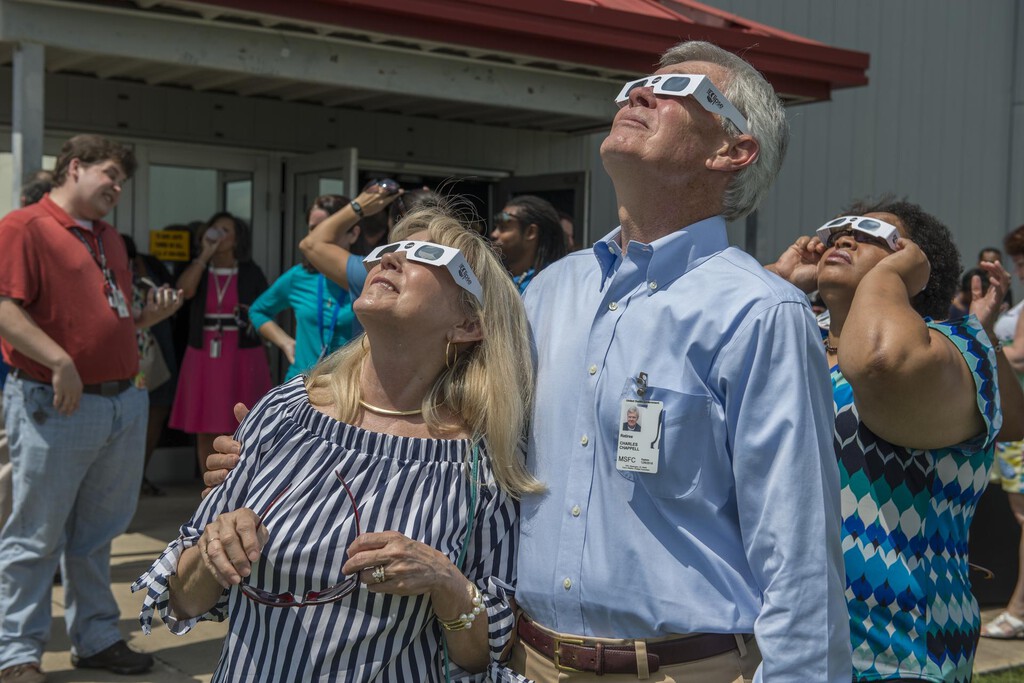
The condition occurs because the sun's ultraviolet and infrared radiation can burn the macula, the part of the retina responsible for sharp central vision. Even when the sun appears partially covered, the risk remains high. This is why experts emphasize using proper protection, not regular sunglasses.
Why Do People Ignore Eclipse Safety Warnings?
Human curiosity and the desire to witness a rare event often outweigh caution. The 2024 spike in searches suggests many people either didn't know how to protect their eyes or chose to ignore guidelines. This behavior isn't new; historical accounts show similar patterns during past eclipses.
Additionally, misinformation and lack of access to certified eclipse glasses may contribute. Some may believe that during totality, it's safe to look without protection—which is true only during the brief total phase. However, many misinterpret this and look during partial phases, risking injury.
How to Protect Your Eyes During an Eclipse
Proper eye protection is essential. Regular sunglasses, even very dark ones, are not sufficient. You need certified eclipse glasses that meet the ISO 12312-2 international standard. These glasses block harmful radiation and allow you to view the eclipse safely.
Alternatively, you can use indirect viewing methods, such as pinhole projectors. Never look at the sun through a camera, telescope, or binoculars without specialized solar filters. These devices can concentrate the sun's rays and cause instant damage.
- Always use certified eclipse glasses (ISO 12312-2) during partial phases.
- Never use regular sunglasses, smoked glass, or exposed film.
- Supervise children closely during eclipses.
- Use indirect viewing methods like pinhole projectors.
- Seek medical attention if you experience eye pain or vision changes.
The Role of Search Data in Public Health
The 2024 spike in “my eyes hurt” searches provides valuable data for public health officials. It shows that real-time search trends can indicate public behavior and potential health issues. This information can be used to design better awareness campaigns for future eclipses.
By analyzing search patterns, experts can identify regions where safety messages may not have reached or where compliance was low. This can help tailor educational efforts and distribution of eclipse glasses in vulnerable areas. The background to this story is set out in Solar Eclipse Eye Safety: How to Protect Your Vision on August 12. A related thread runs through Solar Eclipse Safety: Spanish Town Uses Bells to Prevent Eye Damage. Earlier coverage in Total Solar Eclipse 2026: Date, Times, Best Viewing Spots and Eye Safety shows how the argument developed.
What to Do If You Experience Eye Pain After an Eclipse
If you notice symptoms like eye pain, blurred vision, or sensitivity to light after viewing an eclipse, seek medical attention promptly. An eye care professional can assess retinal damage and provide guidance. While some symptoms may resolve on their own, others may require treatment. A closer look at the same subject appears in How to Photograph the August 12 Solar Eclipse Safely With Your Phone. Anyone following the wider picture can start with How to Photograph the 2026 Total Solar Eclipse with Your Phone Safely. The same theme surfaces in August Solar Eclipse in Spain: Rural Tourism Safety Rules for Visitors, which takes a different angle.
Remember that damage may not be immediately apparent. It can take hours or even days for symptoms to appear. Therefore, if you suspect you looked at the sun without protection, monitor your vision closely and consult a doctor if concerned. Context on how this played out before sits in Aldi Solar Eclipse Glasses: Certified Safety for Under €2. A companion piece, Solar Eclipse Viewing Guide: Share Your Photos and Safety Tips, approaches the same subject from another angle.
| Protection Method | Safe for Eclipse Viewing? | Notes |
|---|---|---|
| Certified Eclipse Glasses | Yes | Must meet ISO 12312-2 standard |
| Regular Sunglasses | No | Do not block harmful radiation |
| Pinhole Projector | Yes | Indirect viewing method |
| Welder's Glass (Shade 14) | Yes | Only if specifically rated for solar viewing |
FAQ
Can looking at an eclipse cause permanent eye damage?
Yes, looking directly at the sun during an eclipse can cause permanent retinal damage, known as eclipse retinopathy. The severity depends on the duration of exposure and individual factors. Always use certified eye protection.
Why did Google searches for “my eyes hurt” spike after the 2024 eclipse?
The spike occurred because many people likely viewed the eclipse without proper protection and experienced eye discomfort. It reflects a common disregard for safety warnings during rare astronomical events.
Are regular sunglasses safe for viewing a solar eclipse?
No, regular sunglasses are not safe for viewing a solar eclipse. They do not filter out the harmful ultraviolet and infrared radiation that can damage your retina. Only certified eclipse glasses are recommended.
What should I do if I think I damaged my eyes during the eclipse?
Seek medical attention from an eye care professional immediately. They can evaluate your retina and provide appropriate care. Avoid rubbing your eyes and monitor your vision closely.
Browse the Shop
 Acacia frida deluxe solid wood bed frame |
Bedroom bench |
Bed chest drawers |
Lingerie dresser |
Frame base |
Mirror with jewelry storage |
30 Bathroom Vanity |
Memory foam queen mattress |
Mattresses for back pain |
Nightstand set of 2 |
Grand Goldman Shop |
Civil Lawyer
Deutschland Trikot WM 2026







