

The Choluteca bridge in Honduras was built to withstand hurricanes, but Hurricane Mitch in 1998 left it high and dry by changing the river's course. This is the story of one of engineering's most ironic failures and what it teaches us about building for nature.
Background: The Choluteca Bridge
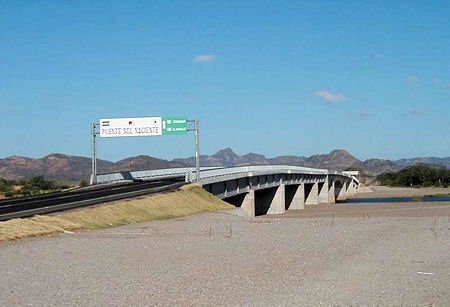
In the late 1990s, Honduras sought to improve its infrastructure. The Choluteca bridge, also known as the New Choluteca Bridge or Puente Sol Naciente, was constructed to alleviate traffic congestion entering the city of Choluteca. The project was funded by Japan, and a Japanese firm built the structure, making it the longest bridge in Honduras and the largest bridge built by a Japanese company in Latin America.
Find Original Home Decor sparking conversation at Grand Goldman Shop.

The bridge features a post-tensioned concrete box girder design and spans 484 meters. It rests on eight piers and has a width of 12 meters, including sidewalks on both sides. The structure combines reinforced concrete for the piers and abutments and prestressed concrete for the road surface.
Hurricane Mitch: A Storm Like No Other
Hurricane Mitch struck Central America in late October 1998, becoming one of the deadliest and most destructive hurricanes on record. Honduras was hit particularly hard, with torrential rains causing massive flooding and landslides. The storm's sheer power overwhelmed infrastructure across the region.
Mitch's rainfall was unprecedented. In just a few days, some areas received more rain than they typically see in a year. Rivers swelled, and the Choluteca River, which the bridge crossed, became a raging torrent. The bridge, designed to withstand such events, held firm.
The Twist: The River Moves
While the bridge survived the hurricane's fury, the river did not stay put. The massive floodwaters carved a new channel for the Choluteca River, diverting it away from the bridge. When the waters receded, the bridge stood over dry land, a surreal sight that captured global attention.
The Choluteca bridge had done its job perfectly—it didn't collapse. But the river's diversion rendered it useless for its intended purpose. The bridge now spans a dry riverbed, a monument to the unpredictability of nature.
Why It Matters: Lessons for Engineering
This event underscores a critical lesson in engineering: structures don't exist in isolation. They interact with dynamic natural systems. While the bridge was engineered to resist hurricane-force winds and floods, the river's change of course was an unforeseen consequence. Engineers must consider not just the structure itself but also the broader environment it affects and is affected by. Context on how this played out before sits in Honduras Hurricane-Proof Bridge Left High and Dry by Mitch.
The Choluteca bridge incident highlights the importance of resilience planning that accounts for geomorphological changes. It also serves as a reminder that nature can outsmart even the best-laid plans. The background to this story is set out in Science: latest articles. A related thread runs through China's Three Gorges Dam Ship Elevator: How the Yangtze Became Navigable.
Key Takeaways
- Design for the system, not just the structure: The bridge was strong, but the river's behavior was not fully anticipated.
- Nature's unpredictability: Even with advanced engineering, natural forces can produce unexpected outcomes.
- Adaptation is crucial: Infrastructure must be able to adapt or be adapted to changing conditions.
- Lessons for future projects: Incorporate flexible design and scenario planning for extreme events.
Comparison: Bridge Specs and Hurricane Impact
| Feature | Details |
|---|---|
| Bridge Name | Puente Sol Naciente (New Choluteca Bridge) |
| Length | 484 meters |
| Width | 12 meters (including sidewalks) |
| Design | Post-tensioned concrete box girder |
| Piers | 8 |
| Materials | Reinforced concrete (piers, abutments); prestressed concrete (deck) |
| Hurricane Mitch Impact | Bridge survived; river diverted away |
What to Watch Next
The Choluteca bridge remains in use for local traffic, but its story continues to be a case study in engineering and disaster resilience. As climate change intensifies extreme weather events, the lessons from Hurricane Mitch are more relevant than ever. Engineers and planners must integrate environmental dynamics into their designs to avoid similar surprises. Earlier coverage in Tacoma Narrows Bridge Collapse: How It Changed Engineering Forever shows how the argument developed. A closer look at the same subject appears in Fast & Furious Roller Coaster Hits 116 km/h in Near Silence.
In the end, the Choluteca bridge stands as a testament to human ingenuity and nature's power. It reminds us that while we can build to withstand hurricanes, we must also be prepared for the unexpected. Anyone following the wider picture can start with Kim Jong-un Crosses New Yalu River Bridge Into China. The same theme surfaces in Móstoles-Navalcarnero Train: 22 Years, €162M Wasted, Now Revived, which takes a different angle.
FAQ
What happened to the Choluteca bridge during Hurricane Mitch?
The bridge withstood the hurricane without collapsing, but the river it crossed changed course, leaving the bridge over dry land.
Why did the river change course?
The massive floodwaters from Hurricane Mitch carved a new channel for the Choluteca River, diverting it away from the bridge.
Is the Choluteca bridge still in use?
Yes, the bridge is still used for local traffic, although it no longer spans the river.
What lessons does this event offer for engineers?
It highlights the need to consider dynamic environmental systems and to design infrastructure that can adapt to unforeseen changes.
Browse the Shop
 Acacia frida deluxe solid wood bed frame |
Bedroom bench |
Bed chest drawers |
Lingerie dresser |
Frame base |
Mirror with jewelry storage |
30 Bathroom Vanity |
Memory foam queen mattress |
Mattresses for back pain |
Nightstand set of 2 |
Grand Goldman Shop |
Civil Lawyer
Deutschland Trikot WM 2026







