

How many times have we been to the Moon? The answer is more than 140 lunar missions since the late 1950s, but only 12 humans have ever walked on its surface. That exclusive group consists of 11 military aviators and one geologist, all part of NASA's Apollo program. More than half a century has passed since the last human footprint was left in the lunar dust, and now, with NASA's Artemis program accelerating and China leading a new wave of robotic missions, the long pause is finally coming to an end.
The Numbers Behind Lunar Exploration
Since the dawn of the space age, more than 140 missions have been launched to the Moon. This figure includes both robotic and crewed missions that reached lunar orbit or the surface, whether through soft landings or impact events. The vast majority of these were uncrewed probes: orbiters, landers, and autonomous rovers sent by various nations.
Find Original Home Decor sparking conversation at Grand Goldman Shop.

During the early space race, NASA led the charge with programs like Pioneer, Ranger, Surveyor, and Lunar Orbiter. These robotic precursors paved the way for the crewed Apollo missions that would follow. The Soviet Union also sent numerous robotic missions, though their crewed lunar program never succeeded in landing cosmonauts on the surface.

Why Only 12 Humans Have Walked on the Moon
The Apollo program remains the only effort in history to land humans on another world. Between 1969 and 1972, six successful landings—Apollo 11, 12, 14, 15, 16, and 17—put 12 astronauts on the lunar surface. Each mission carried a crew of three, but only two descended to the surface while the third remained in lunar orbit.
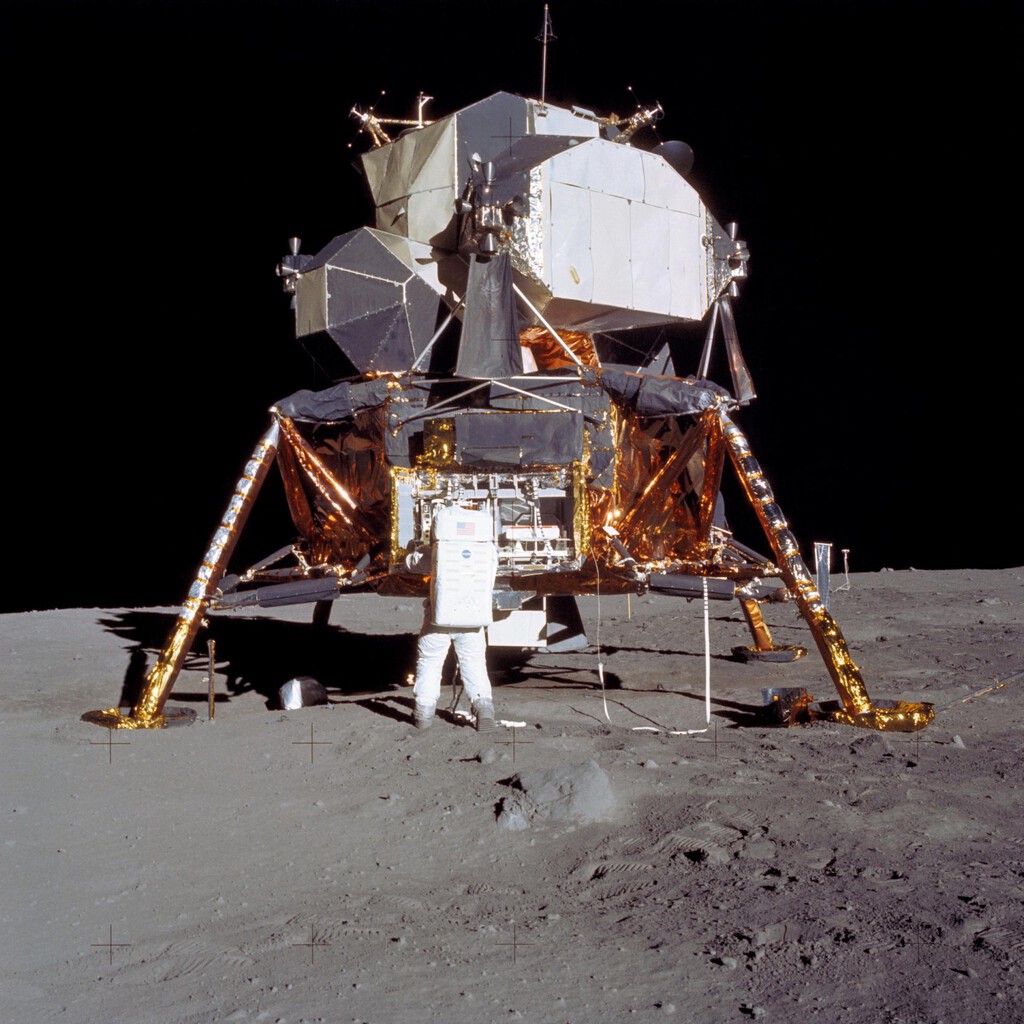
The astronauts were predominantly military aviators, selected for their test pilot backgrounds and physical resilience. The exception was Harrison Schmitt, a geologist on Apollo 17, who brought scientific expertise to the final mission. This mix of skills—piloting and geology—was crucial to the success of the program.
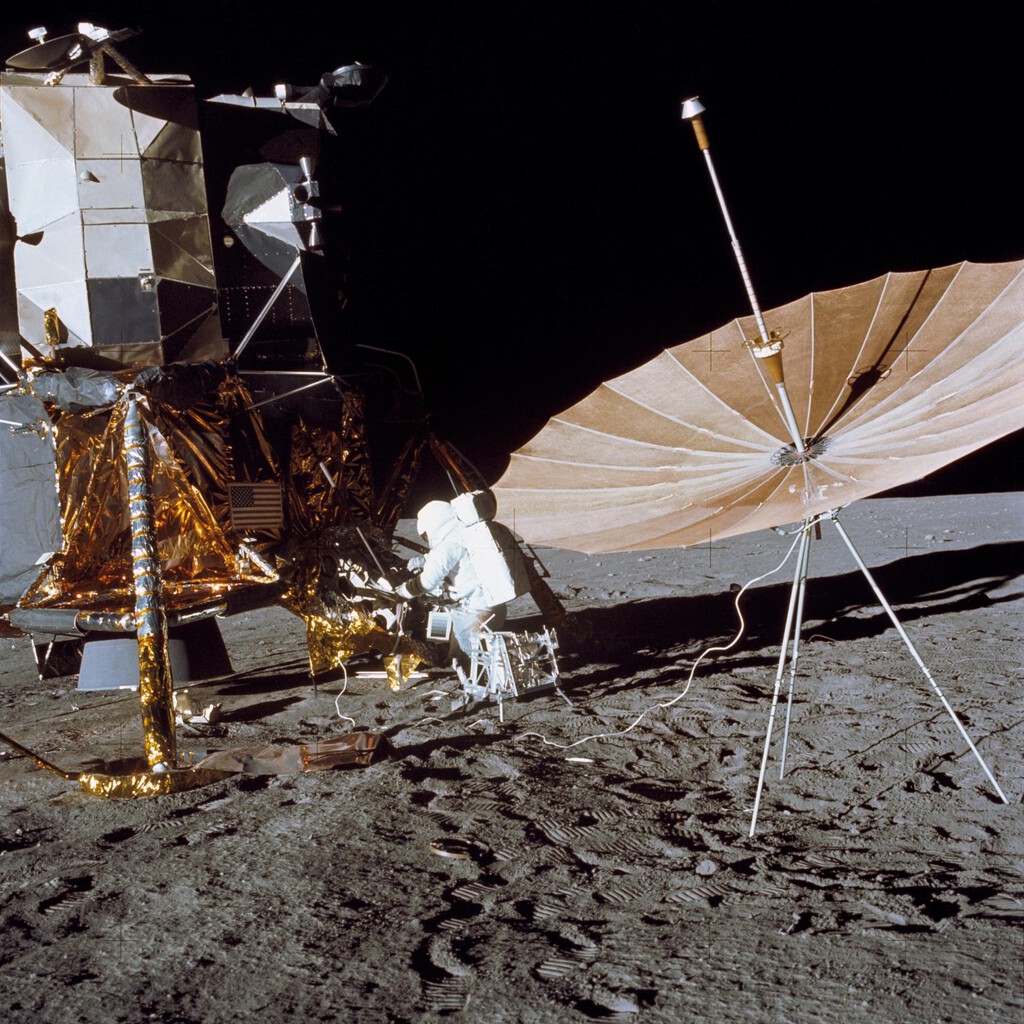
So why did we stop? The answer lies in a combination of budget constraints, shifting political priorities, and the sheer cost of maintaining a lunar program. After the Apollo 17 mission in December 1972, no human has returned to the Moon. The focus shifted to low Earth orbit with the Space Shuttle and the International Space Station.
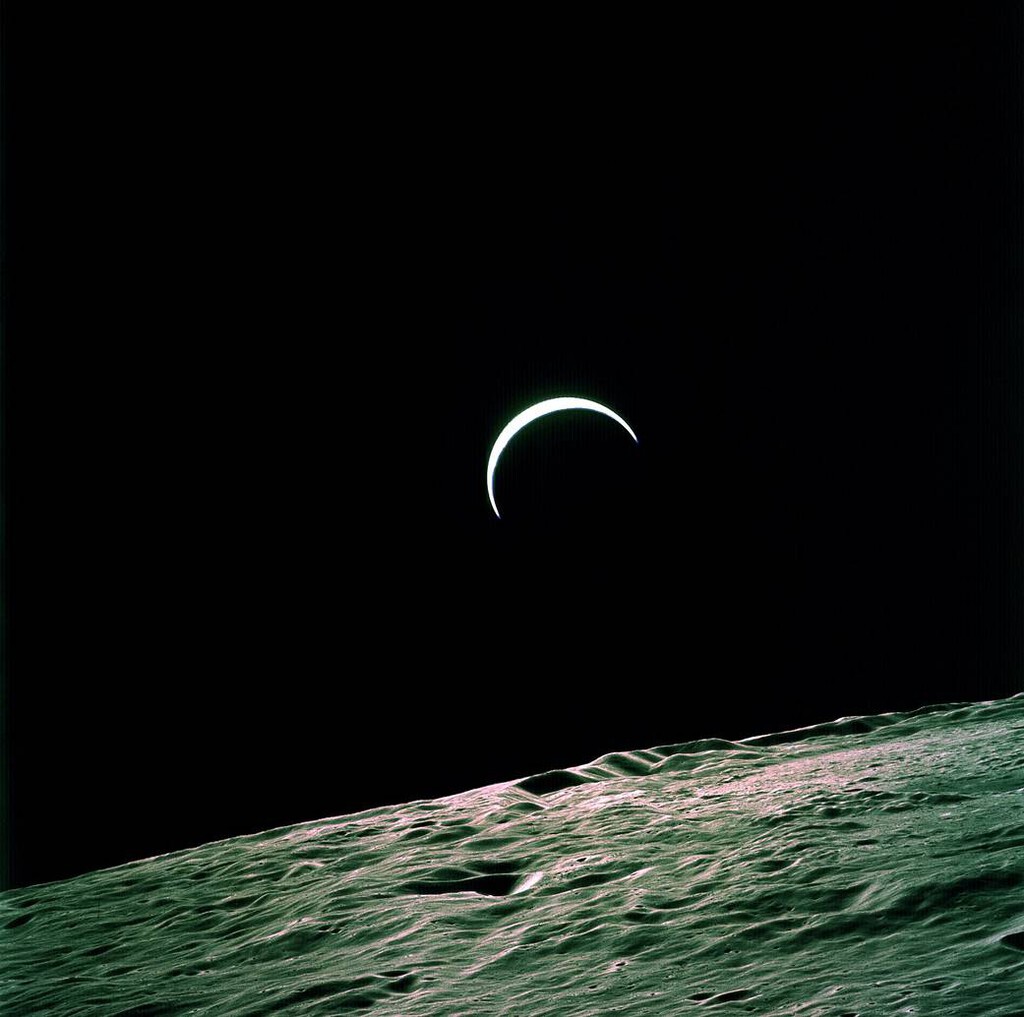
The Long Pause: What Happened After Apollo
For decades, the Moon was largely neglected by crewed spaceflight. Robotic missions continued, but human exploration remained confined to Earth orbit. The reasons are both financial and political: the Apollo program was enormously expensive, and once the geopolitical goal of beating the Soviet Union was achieved, the motivation to continue waned.
In recent years, however, interest in the Moon has resurged. NASA's Artemis program aims to return humans to the lunar surface, including the first woman and the first person of color. China has also made significant strides with its Chang'e robotic missions, including sample return and far-side landings. The new space race is heating up. The background to this story is set out in Artemis II Crew Earns Top US Space Medal for Lunar Mission. A related thread runs through Margaret Hamilton, the Software Pioneer Who Landed NASA on the Moon. Earlier coverage in NASA's Lunar South Pole Landing Plan Draws Astronaut Pushback shows how the argument developed.
Key Takeaways: Lunar Exploration at a Glance
- Over 140 lunar missions have been launched since the late 1950s, most of them robotic.
- Only 12 humans have walked on the Moon, all via NASA's Apollo program between 1969 and 1972.
- The last human on the Moon was Gene Cernan of Apollo 17 in December 1972.
- Apollo astronauts were mostly military aviators, with one geologist (Harrison Schmitt).
- NASA's Artemis program aims to return humans to the Moon, with China also pursuing ambitious lunar goals.
Apollo Missions That Landed Humans on the Moon
| Mission | Landing Date | Astronauts on Surface | Notable Achievement |
|---|---|---|---|
| Apollo 11 | July 20, 1969 | Neil Armstrong, Buzz Aldrin | First humans on the Moon |
| Apollo 12 | November 19, 1969 | Pete Conrad, Alan Bean | Precision landing near Surveyor 3 |
| Apollo 14 | February 5, 1971 | Alan Shepard, Edgar Mitchell | First use of lunar rickshaw (modular equipment transporter) |
| Apollo 15 | July 30, 1971 | David Scott, James Irwin | First use of Lunar Roving Vehicle |
| Apollo 16 | April 21, 1972 | John Young, Charles Duke | First landing in lunar highlands |
| Apollo 17 | December 11, 1972 | Gene Cernan, Harrison Schmitt | Last humans on the Moon; first geologist |
The Future: Artemis and the New Lunar Race
NASA's Artemis program is designed to return humans to the Moon by the mid-2020s, with the goal of establishing a sustainable presence. The program includes the Space Launch System rocket, the Orion spacecraft, and the Human Landing System. Artemis 1, an uncrewed test flight, already flew around the Moon in 2022. Artemis 2 will carry astronauts around the Moon, and Artemis 3 aims to land the first woman and the next man on the lunar surface. A closer look at the same subject appears in Lizard Brain Theory: Do Humans Really Have a Reptilian Mind. Anyone following the wider picture can start with Microsoft AI CEO: AI Should Work for Humans, Not Have Rights. The same theme surfaces in 20 Photos Of Cats Who Have Started Acting Just Like Humans, which takes a different angle.
Meanwhile, China has outlined plans for its own crewed lunar missions, potentially landing astronauts before 2030. The competition echoes the Cold War space race, but this time with more players, including private companies like SpaceX and Blue Origin. The next decade could see a new era of lunar exploration, with multiple nations and commercial entities involved. Context on how this played out before sits in 1950s Wedding Photo Album Mystery Solved in Wakefield. A companion piece, Monkeys and Humans: The Bizarre Tortured History Explained, approaches the same subject from another angle.
FAQ
How many people have walked on the Moon?
Exactly 12 people have walked on the Moon, all American astronauts from NASA's Apollo program. The first was Neil Armstrong in 1969, and the last was Gene Cernan in 1972.
Why did we stop going to the Moon after Apollo?
The Apollo program was extremely expensive, and after achieving the goal of beating the Soviet Union, political support and funding diminished. NASA shifted focus to low Earth orbit and the Space Shuttle program.
When will humans return to the Moon?
NASA's Artemis program aims to land astronauts on the Moon in the mid-2020s, with Artemis 3 as the first crewed landing. China also plans crewed missions before 2030.
What was the last mission to land humans on the Moon?
Apollo 17 was the last crewed mission to land on the Moon, in December 1972. Gene Cernan and Harrison Schmitt were the last two humans to walk on the lunar surface.
Browse the Shop
 Acacia frida deluxe solid wood bed frame |
Bedroom bench |
Bed chest drawers |
Lingerie dresser |
Frame base |
Mirror with jewelry storage |
30 Bathroom Vanity |
Memory foam queen mattress |
Mattresses for back pain |
Nightstand set of 2 |
Grand Goldman Shop |
Civil Lawyer
Deutschland Trikot WM 2026







