

Mars bacteria could become superbugs, according to recent research by astrobiologist Tommaso Zaccaria. His doctoral thesis at Radboud University reveals that common pathogens might not just survive on the Red Planet but could become more harmful to humans.
As space agencies plan for lunar and Martian colonies, understanding how microorganisms behave beyond Earth is crucial. Current protocols require astronauts to quarantine before space travel to avoid carrying pathogens. But as colonization becomes a reality, such controls will be harder to maintain.
Find Original Home Decor sparking conversation at Grand Goldman Shop.

Why Mars Bacteria Research Matters
Astronauts today undergo strict quarantines before missions to prevent illness and avoid introducing Earth microbes to space. However, once permanent settlements are established, these measures may become impractical. Pathogens will inevitably reach Mars, and we need to know what to expect.
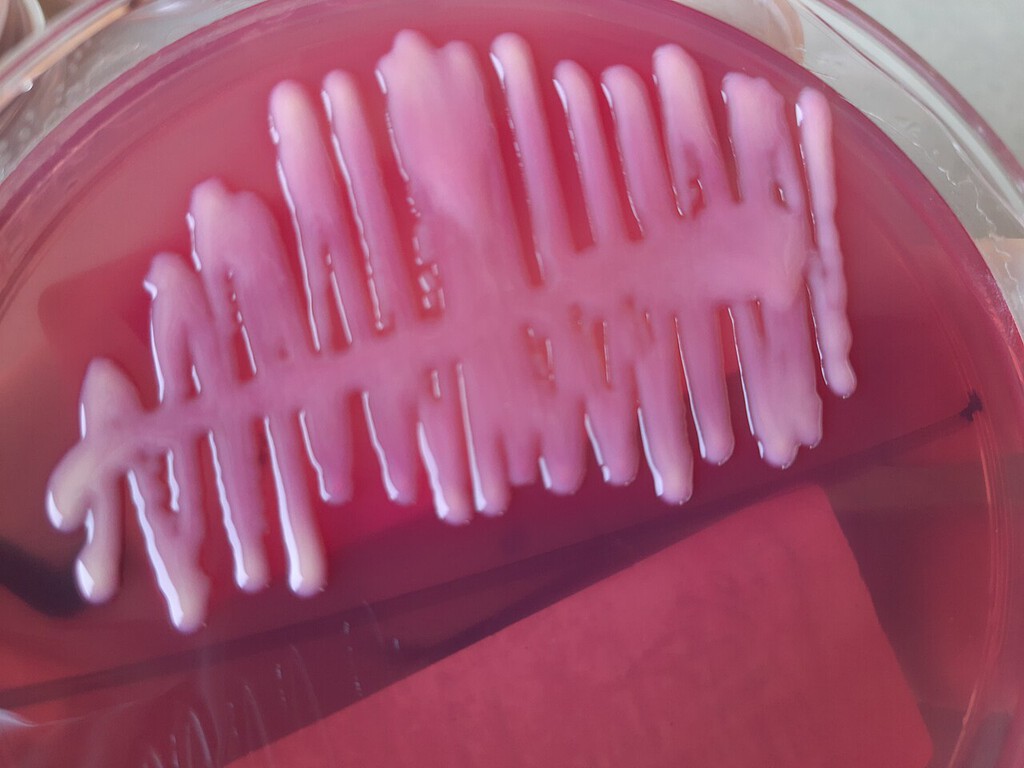
Zaccaria's research focuses on four non-extremophile pathogenic bacteria: Klebsiella pneumoniae, Serratia marcescens, Burkholderia cepacia, and Pseudomonas aeruginosa. These species are known to cause human diseases but are not naturally adapted to extreme conditions.
How Bacteria Adapt to Martian Conditions
The study simulated Martian conditions, including low pressure, extreme cold, and high radiation. Surprisingly, the bacteria not only survived but also showed increased virulence and resistance to antibiotics. This suggests that Mars could act as an environment that selects for tougher, more dangerous strains.
Key takeaways from the research include:
- Common pathogens can survive Martian conditions.
- Exposure to Mars-like stress may enhance bacterial virulence.
- Antibiotic resistance could increase in space.
- Astronaut immune systems may be compromised during long missions.
- Future colonies need robust infection control strategies.
Comparing Bacterial Survival on Earth vs. Mars
The table below summarizes how the four bacteria species might fare on Mars compared to Earth.
| Bacteria Species | Survival on Mars | Virulence Change | Antibiotic Resistance |
|---|---|---|---|
| Klebsiella pneumoniae | High | Increased | Enhanced |
| Serratia marcescens | Moderate | Increased | Enhanced |
| Burkholderia cepacia | High | Increased | Enhanced |
| Pseudomonas aeruginosa | High | Increased | Enhanced |
These findings highlight the need for advanced medical facilities and strict hygiene protocols in future space settlements. Without them, a simple infection could become a serious threat.
Implications for Astronaut Health
Astronauts already face immune system challenges during spaceflight. Microgravity and radiation can weaken defenses, making them more susceptible to infections. If bacteria become more virulent on Mars, the risk multiplies.
Moreover, treating infections in space is difficult due to limited medical resources and the distance from Earth. Preventing the introduction of pathogens and developing new antimicrobial strategies will be essential. The background to this story is set out in Antibiotic-Resistant Bacteria Threaten Children's Health. A related thread runs through Antibiotic-resistant bacteria leaving children vulnerable: global. Earlier coverage in Antibiotic-Resistant Bacteria Threaten Children's Health Worldwid shows how the argument developed.
What This Means for Future Colonization
As we look toward establishing colonies on the Moon and Mars, we must consider the microbial environment. Zaccaria's work suggests that Mars could become a breeding ground for superbugs. This underscores the importance of planetary protection and astronaut health monitoring. A closer look at the same subject appears in Arts and Humanities Essential for Understanding Space Exploration. Anyone following the wider picture can start with UK Urged to Ban Brazilian Meat Imports Over Antibiotic Concerns. The same theme surfaces in Toilet Flushing Pathogens: Why Closing the Lid Isn't Enough, which takes a different angle.
Future missions will need to include robust quarantine measures, advanced air and water filtration, and rapid diagnostic tools. Research into space microbiology will be critical to ensure the safety of explorers. Context on how this played out before sits in Arts and Humanities Play Key Role in Space Exploration.
FAQ
Can bacteria really survive on Mars?
Yes, certain bacteria can survive Martian conditions, especially if protected from radiation. The study found that non-extremophile pathogens could endure and even adapt.
Why would bacteria become more dangerous in space?
Stress factors like radiation and low pressure may trigger genetic changes that increase virulence and antibiotic resistance. This could make infections harder to treat.
How does this affect future Mars missions?
It means we need stricter infection control, better medical supplies, and more research on microbial behavior in space. Astronaut health will be a top priority.
What can be done to prevent superbugs on Mars?
Implementing rigorous sterilization, quarantine, and monitoring protocols will help. Developing new antibiotics and alternative therapies is also crucial.
Browse the Shop
 Acacia frida deluxe solid wood bed frame |
Bedroom bench |
Bed chest drawers |
Lingerie dresser |
Frame base |
Mirror with jewelry storage |
30 Bathroom Vanity |
Memory foam queen mattress |
Mattresses for back pain |
Nightstand set of 2 |
Grand Goldman Shop |
Civil Lawyer
Deutschland Trikot WM 2026







