

In a startling event that underscores the risks of human spaceflight, NASA astronaut Mike Fincke experienced a sudden loss of speech while aboard the International Space Station (ISS). The incident, which occurred earlier this year, forced an early return of the Crew 11 mission and has left the space agency grappling with an unexplained medical mystery. As we look toward colonizing space, understanding such health events becomes critical.
What Happened: The Emergency That Cut a Mission Short
In early January, NASA announced the cancellation of a planned spacewalk by astronauts Michael Fincke and Zena Cardman. Just hours later, the agency revealed that the entire Crew 11—including Fincke, Cardman, Kimiya Yui of JAXA, and Oleg Platanov of Roscosmos—would return to Earth ahead of schedule. The return, initially slated for February, was moved up to January 15.
Find Original Home Decor sparking conversation at Grand Goldman Shop.

At the time, NASA did not disclose which astronaut was ill, citing privacy concerns. The agency only stated that the astronaut was in stable condition and that further tests were needed. Later, NASA confirmed that Mike Fincke was the affected crew member, but the cause of his condition remains unknown.
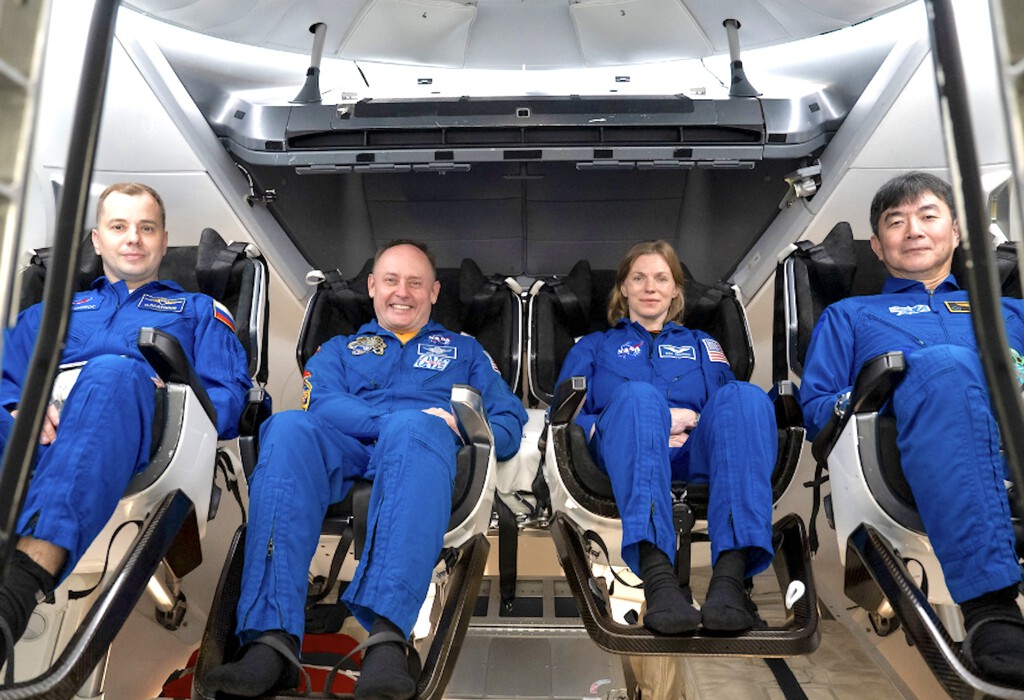
Why It Matters: The Unknown Risks of Spaceflight
This incident highlights a critical gap in our understanding of how space affects the human body. While NASA has studied common issues like bone density loss and muscle atrophy, neurological or psychological events like sudden speech loss are poorly understood. Such mysteries pose significant challenges for long-duration missions, such as a journey to Mars or lunar colonization.
Without knowing the cause, it's difficult to develop preventive measures or treatments. This uncertainty could jeopardize astronaut safety and mission success as we push further into space.
The Bigger Picture: Health Challenges in Space
Space is an extreme environment that stresses the human body in ways we are only beginning to comprehend. Beyond the well-known physical changes, astronauts face psychological strain, radiation exposure, and the effects of microgravity on the brain and nervous system.
- Neurological effects: Microgravity can alter blood flow to the brain, potentially causing issues like speech impairment.
- Psychological stress: Isolation and confinement can trigger or exacerbate mental health conditions.
- Radiation exposure: Cosmic rays may damage the nervous system, leading to unpredictable symptoms.
- Lack of real-time medical support: In space, astronauts must rely on limited medical resources and delayed communication with ground teams.
- Data gaps: With few cases, it's hard to draw conclusions or develop protocols for rare events.
What We Know About Mike Fincke's Condition
NASA has released limited information about Fincke's health. The astronaut experienced a temporary loss of speech, but the agency has not specified whether it was due to a stroke, a psychological episode, or another cause. Fincke has since returned to Earth and is reportedly recovering, but the lack of details leaves many questions unanswered.
This secrecy is standard practice to protect astronaut privacy, but it also hinders scientific progress. Sharing anonymized medical data could help researchers better understand and mitigate such risks in the future. The background to this story is set out in Artemis II Astronauts to Use Themselves as Test Subjects for Health. A related thread runs through NASA Starliner: Astronauts Stranded 9 Months, NASA Still Trusts Boeing. Earlier coverage in NASA Evacuation Alert on ISS: Astronauts Shelter in Crew Dragon shows how the argument developed.
What to Watch Next: NASA's Response and Future Missions
NASA is likely conducting a thorough investigation into the incident. The findings could lead to new health protocols for astronauts, including enhanced neurological monitoring and expanded mental health support. As the agency plans for longer missions, including the Artemis lunar program and eventual Mars expeditions, addressing these unknowns is essential. A closer look at the same subject appears in NASA Creates Emeritus Astronaut Title as Retirements Rise. Anyone following the wider picture can start with NASA Offers $150,000 to Stop Astronauts Becoming High-Voltage Capacitors. The same theme surfaces in NASA Uses Actigraph Wristbands to Monitor Astronaut Sleep, which takes a different angle.
Moreover, this event may prompt a reevaluation of medical clearance procedures and emergency response strategies for space crews. Context on how this played out before sits in NASA Artemis II Astronauts Make Video Calls from Deep Space. A companion piece, Madrid Wildfire Threatens NASA Deep Space Network Facility, approaches the same subject from another angle.
| Known Space Health Risks | Unknown or Poorly Understood Risks |
|---|---|
| Bone density loss | Sudden neurological events (e.g., speech loss) |
| Muscle atrophy | Long-term psychological effects |
| Radiation exposure (cancer risk) | Microgravity's impact on brain function |
| Space motion sickness | Immune system dysregulation |
FAQ
What exactly happened to Mike Fincke?
Mike Fincke experienced a sudden loss of speech while on the ISS. NASA has not disclosed the cause, but he returned to Earth early and is recovering.
Why did the whole crew return early?
NASA decided to bring the entire Crew 11 home early as a precaution, ensuring the affected astronaut could receive proper medical evaluation and care on Earth.
How does this affect future space missions?
This incident highlights the need for better understanding of space health risks. NASA may implement new monitoring and preventive measures for long-duration missions.
Is space travel safe for astronauts?
Space travel carries inherent risks, both known and unknown. NASA and other agencies continuously work to mitigate these risks through research and technology.
Browse the Shop
 Acacia frida deluxe solid wood bed frame |
Bedroom bench |
Bed chest drawers |
Lingerie dresser |
Frame base |
Mirror with jewelry storage |
30 Bathroom Vanity |
Memory foam queen mattress |
Mattresses for back pain |
Nightstand set of 2 |
Grand Goldman Shop |
Civil Lawyer
Deutschland Trikot WM 2026







