

In 1976, a NASA intern named Gary George bought approximately 1,150 magnetic tapes for $217.77. Decades later, he discovered that three of those tapes contained the original Apollo 11 moon landing footage, making his purchase a historic treasure.
George, an engineering student at Lamar University, had interned at NASA's Johnson Space Center in 1973. He attended government surplus auctions, and in June 1976, at Ellington Air Force Base near Houston, he acquired a lot of NASA tapes with a simple plan: erase and resell them to local TV stations.
Find Original, High-end Home Decor that spark conversation at Grand Goldman Shop.
The $217.77 Purchase That Changed Everything
George's purchase was purely commercial. He saw value in the Ampex video tapes, which could be wiped and reused. He sold some, donated others to his university and a church, and discarded those with little worth.
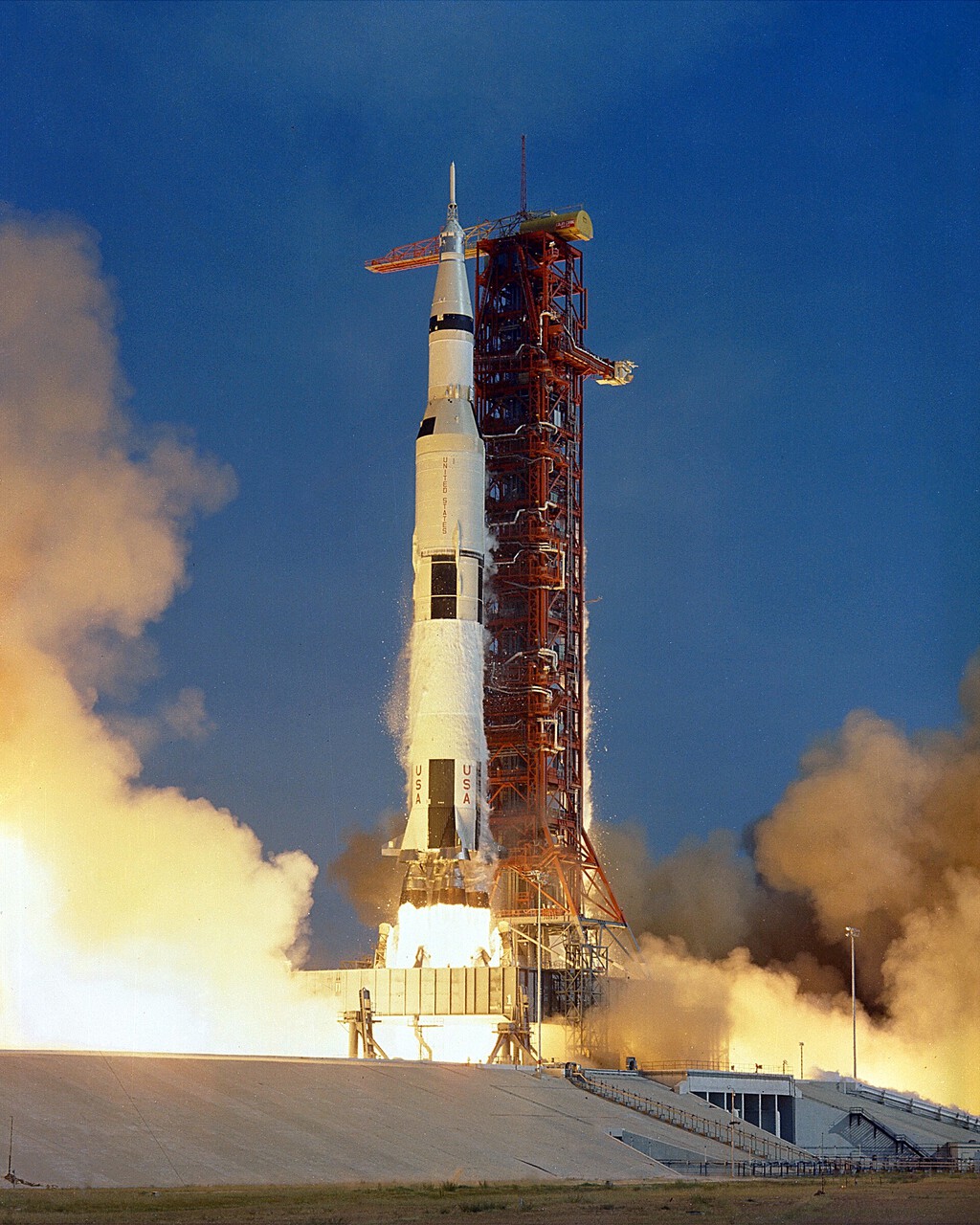
Among the lot were about 65 two-inch video tapes. Three boxes were labeled “APOLLO 11 EVA | July 20, 1969 REEL 1–3”. His father noticed the labels and advised him to keep them. George set them aside, not fully understanding their significance.
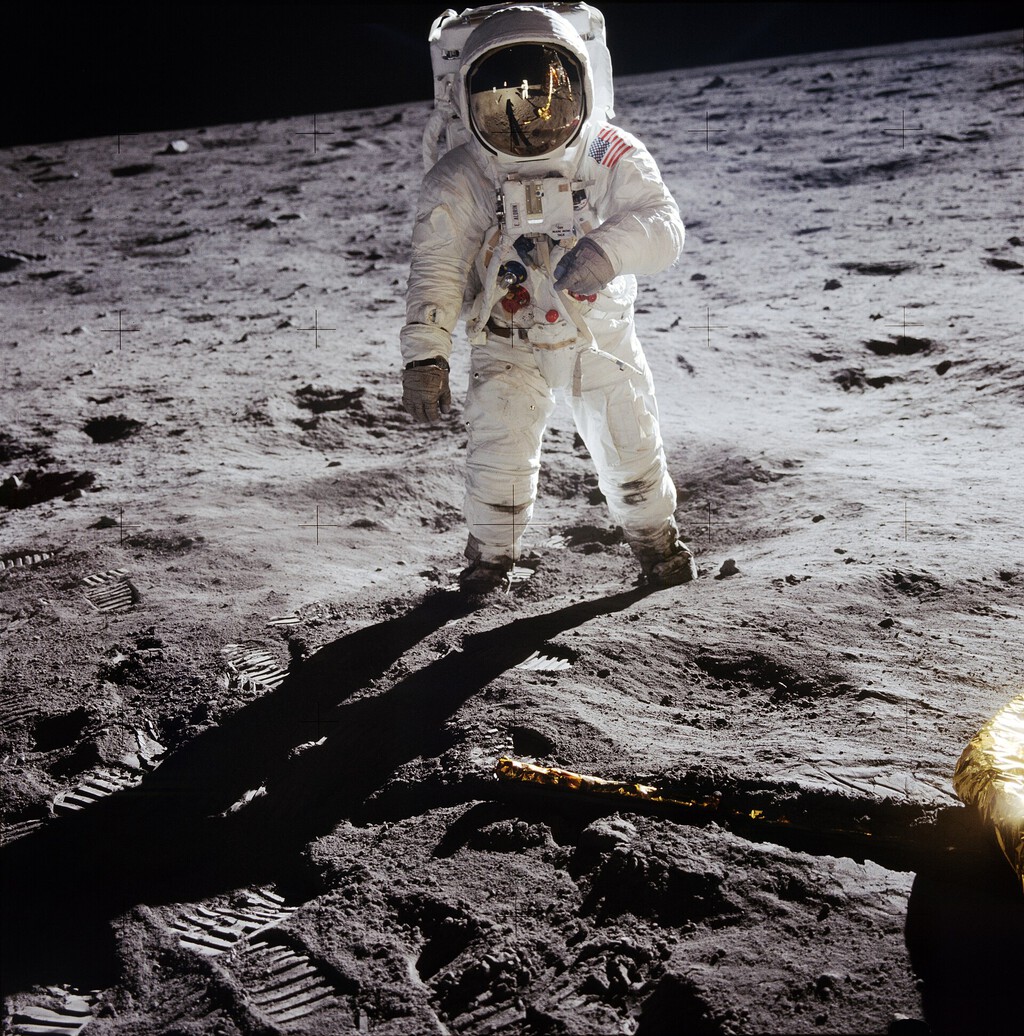
It would take decades for George to realize exactly what he had bought. The tapes were not just any recordings—they were the original slow-scan television transmissions of the first moonwalk.
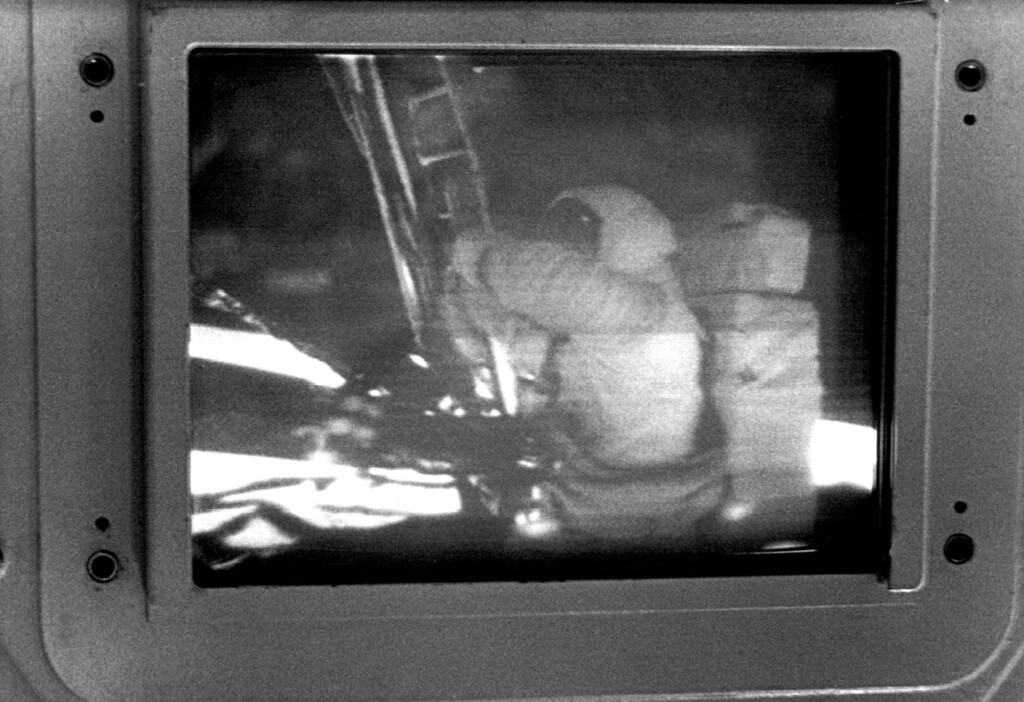
Why These Apollo 11 Tapes Matter
The Apollo 11 mission was a milestone in human history. The original recordings of the moonwalk were lost or erased by NASA, which reused tapes to save money. George's tapes are among the few surviving originals.
Their value is both historical and monetary. In 2019, George consigned the tapes to Sotheby's, where they were expected to fetch millions. The story highlights the unexpected places where history can hide.
- Historic find: Three tapes from the first moonwalk, labeled July 20, 1969.
- Accidental purchase: Bought for $217.77 at a government surplus auction.
- Decades of obscurity: Stored away until George researched their origin.
- High value: Auctioned at Sotheby's, potentially worth millions.
- Preservation lesson: Original recordings were often erased; these tapes are rare survivors.
What the Tapes Reveal About NASA's Past
NASA's practice of erasing tapes was common in the 1970s to save storage costs. The original slow-scan tapes of Apollo 11 were among those lost. George's tapes offer a direct link to that era.
The tapes contain the raw feed from the lunar module's camera, including moments not seen in the broadcast. They provide a unique perspective on the mission.
| Item | Details |
|---|---|
| Purchase year | 1976 |
| Purchase price | $217.77 |
| Number of tapes | ~1,150 |
| Apollo 11 tapes | 3 reels labeled “APOLLO 11 EVA | July 20, 1969” |
| Format | Two-inch video tape |
| Auction | Sotheby's, 2019 |
The Journey from Surplus to Spotlight
George stored the tapes for decades, occasionally wondering about their worth. In the 2000s, he began researching and realized they might be the lost Apollo 11 recordings.
He had the tapes inspected by experts, who confirmed their authenticity. The tapes were then put up for auction, drawing attention from collectors and museums.
The story of Gary George's tapes is a reminder that history can be found in the most ordinary places. It also underscores the importance of preserving original recordings. The background to this story is set out in Margaret Hamilton, Software Pioneer Behind Apollo 11, Dies at 90. A related thread runs through Margaret Hamilton: The Software Engineer Who Saved Apollo 11. Earlier coverage in NASA Sends Three Fully Autonomous Robots to the Moon shows how the argument developed.
What to Watch Next
The auction of the tapes will determine their financial value, but their historical value is already immense. NASA has expressed interest in the tapes, though it has not announced plans to acquire them. A closer look at the same subject appears in Artemis II Crew Earns Top US Space Medal for Historic Lunar Journey. Anyone following the wider picture can start with NASA Starliner: Astronauts Stranded 9 Months, NASA Still Trusts Boeing. The same theme surfaces in NASA Creates Emeritus Astronaut Title as Retirements Rise, which takes a different angle.
For space enthusiasts, the tapes offer a chance to own a piece of the Apollo era. For historians, they provide a new source of data about the first moon landing. Context on how this played out before sits in SpaceX Starship Reaches Orbit for First Time in Historic Test Flight. A companion piece, Spacecraft Rescue Mission for NASA Telescope Fails, approaches the same subject from another angle.
FAQ
What did Gary George buy in 1976?
Gary George bought approximately 1,150 magnetic tapes from a NASA surplus auction for $217.77. Among them were three tapes labeled “APOLLO 11 EVA | July 20, 1969”.
Why are the Apollo 11 tapes so valuable?
The tapes contain the original slow-scan television recordings of the first moonwalk, which NASA lost or erased. They are considered rare historical artifacts.
What happened to the tapes after George bought them?
George kept the three Apollo 11 tapes after his father noticed the labels. He stored them for decades before having them authenticated and consigned to Sotheby's in 2019.
How much are the tapes worth?
At the 2019 Sotheby's auction, the tapes were expected to fetch millions, though the final sale price may vary. Their historical significance makes them priceless to many.
Browse the Shop
 Acacia frida deluxe solid wood bed frame |
Bedroom bench |
Bed chest drawers |
Lingerie dresser |
Frame base |
Mirror with jewelry storage |
30 Bathroom Vanity |
Memory foam queen mattress |
Mattresses for back pain |
Nightstand set of 2 |
Grand Goldman Shop |
Civil Lawyer
Deutschland Trikot WM 2026







