

The solar eclipse on August 12, 2026, will last only a few minutes, but it offers a wealth of phenomena beyond the sun itself. If you're a first-time eclipse viewer, you might focus solely on the sun, but you'd miss the full spectacle. This guide highlights 10 things you must not miss to make the most of this celestial event.
Why the August 12, 2026 Solar Eclipse Is Special
On August 12, 2026, a total solar eclipse will sweep across the Arctic, Greenland, Iceland, and Spain. During totality, the moon completely covers the sun, turning day into night for a few fleeting minutes. This is a rare opportunity to witness one of nature's most awe-inspiring events.
Find Original Home Decor sparking conversation at Grand Goldman Shop.

But the eclipse is more than just a darkened sun. It's a multi-sensory experience that affects the environment, animals, and even your own perception. To truly appreciate it, you need a plan.
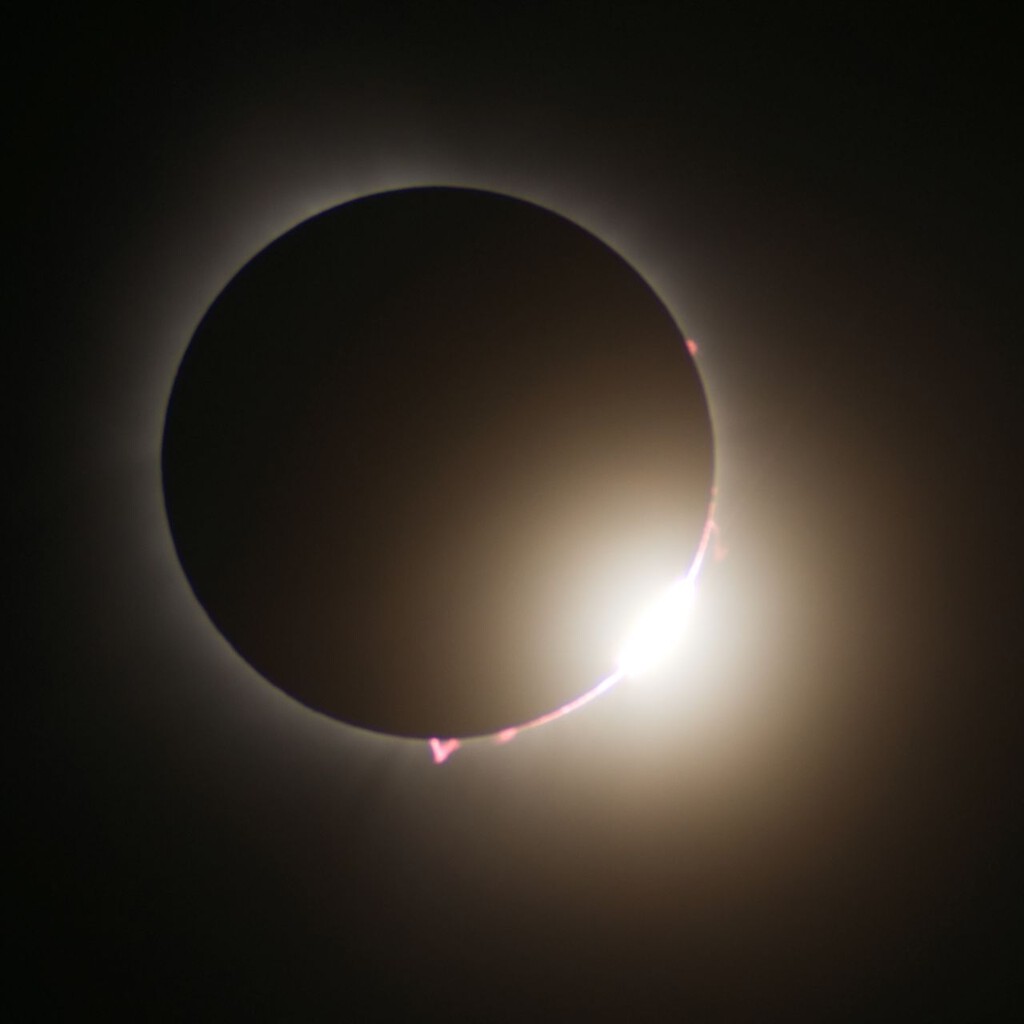
10 Things to Watch During the Solar Eclipse
Here are the top 10 phenomena to observe during the eclipse, beyond the sun itself. Each offers a unique perspective on this cosmic alignment.
- Baily's beads: Glimpses of sunlight peeking through lunar valleys just before and after totality.
- Diamond ring effect: A single bright point of sunlight that looks like a diamond ring.
- Shadow bands: Faint, wavy lines of light and dark that ripple across the ground just before and after totality.
- Temperature drop: Feel the sudden chill as the sun's warmth diminishes.
- Animal behavior: Listen for birds falling silent or nocturnal animals stirring.
- Changed light quality: Notice the eerie, otherworldly glow during partial phases.
- Sharper shadows: Observe how shadows become crisper as the sun's disk shrinks.
- Solar corona: During totality, the sun's outer atmosphere becomes visible as a pearly halo.
- Prominences: Look for reddish loops of gas at the sun's edge.
- Stars and planets: Bright stars and planets may appear in the darkened sky.
How to Plan Your Eclipse Viewing
With only minutes of totality, you need a strategy. Prioritize what you want to see and where you'll be. Use certified eclipse glasses for all partial phases, and only remove them during totality if you're in the path.
Practice your plan ahead of time. Know when to look up, when to look around, and when to put your glasses back on. The key is to be present and observant.
Eclipse Phenomena Comparison
Here's a quick comparison of what to expect during different phases of the eclipse. The background to this story is set out in Total Solar Eclipse 2027: Spain's Next Big Celestial Event. A related thread runs through August 2027 Total Solar Eclipse in Spain: Viewing Guide. Earlier coverage in Total Solar Eclipse 2026: Why It Moved Spectators to Tears shows how the argument developed.
| Phenomenon | Phase | What to Look For |
|---|---|---|
| Baily's beads | Just before/after totality | Beads of sunlight along the moon's edge |
| Diamond ring | Seconds before/after totality | A single brilliant point of light |
| Shadow bands | 1-2 minutes before/after totality | Wavy lines on light-colored surfaces |
| Temperature drop | During totality | Sudden coolness |
| Animal behavior | During totality | Birds quiet, crickets chirp |
| Solar corona | During totality | Pearly white halo around the sun |
| Prominences | During totality | Reddish loops at the sun's edge |
| Stars and planets | During totality | Bright points in the sky |
Safety First: Protect Your Eyes
Never look directly at the sun without certified eclipse glasses, except during totality when the moon completely covers the sun. Even then, be cautious and put your glasses back on as soon as totality ends. A closer look at the same subject appears in AEMET Forecast for August 12 Solar Eclipse Across Spain. Anyone following the wider picture can start with Europe Solar Eclipse 2026: Rare Spectacle Draws Millions. The same theme surfaces in Total Solar Eclipse 2026: Best Viewing Spots in Spain, which takes a different angle.
If you're not in the path of totality, you must wear eclipse glasses at all times. Regular sunglasses are not safe for viewing the sun. Context on how this played out before sits in Solar Eclipse in Cornwall: A Magical Communal Experience. A companion piece, Solar Eclipse Night: Cloudy Skies Still a Phenomenon, approaches the same subject from another angle.
FAQ
What is the diamond ring effect?
The diamond ring effect occurs just before and after totality when a single bright point of sunlight shines through a lunar valley, creating a dazzling diamond-like flash. It's one of the most spectacular moments of a total solar eclipse.
Can I see the solar corona without glasses?
Yes, but only during totality, when the moon completely blocks the sun's bright face. The corona is the sun's outer atmosphere and is safe to view with the naked eye during totality. However, as soon as totality ends, put your eclipse glasses back on.
Why do animals behave differently during an eclipse?
Animals often react to the sudden darkness as if night has fallen. Birds may stop singing, nocturnal animals may become active, and insects like crickets may start chirping. It's a fascinating behavioral shift to observe.
How can I safely photograph the eclipse?
To photograph the eclipse, use a solar filter on your camera lens to protect your equipment and eyes. During totality, you can remove the filter to capture the corona, but be ready to replace it as soon as totality ends.
With these tips, you'll be well-prepared to experience the August 12, 2026 solar eclipse in all its glory. Remember to plan ahead, stay safe, and take in the full spectacle.
Browse the Shop
 Acacia frida deluxe solid wood bed frame |
Bedroom bench |
Bed chest drawers |
Lingerie dresser |
Frame base |
Mirror with jewelry storage |
30 Bathroom Vanity |
Memory foam queen mattress |
Mattresses for back pain |
Nightstand set of 2 |
Grand Goldman Shop |
Civil Lawyer
Deutschland Trikot WM 2026







