

The iPhone foldable is finally official. After years of speculation, Apple has unveiled the iPhone Duo, a passport-style foldable that mirrors designs already seen from Huawei, OPPO, Samsung, and Xiaomi. Apple's entry comes years after competitors, but that delay might be its greatest advantage.
While critics may say Apple is late to the foldable party, the company used that time to let others iron out the kinks. The result is a product that feels mature from day one, not a first-generation experiment.
Find Original, High-end Home Decor that spark conversation at Grand Goldman Shop.
Why Apple Waited to Launch a Foldable iPhone
Apple's strategy has always been to enter markets when the technology is ready for the masses. The foldable market has been evolving rapidly, with early adopters facing durability issues and awkward designs. By waiting, Apple avoided those pitfalls.
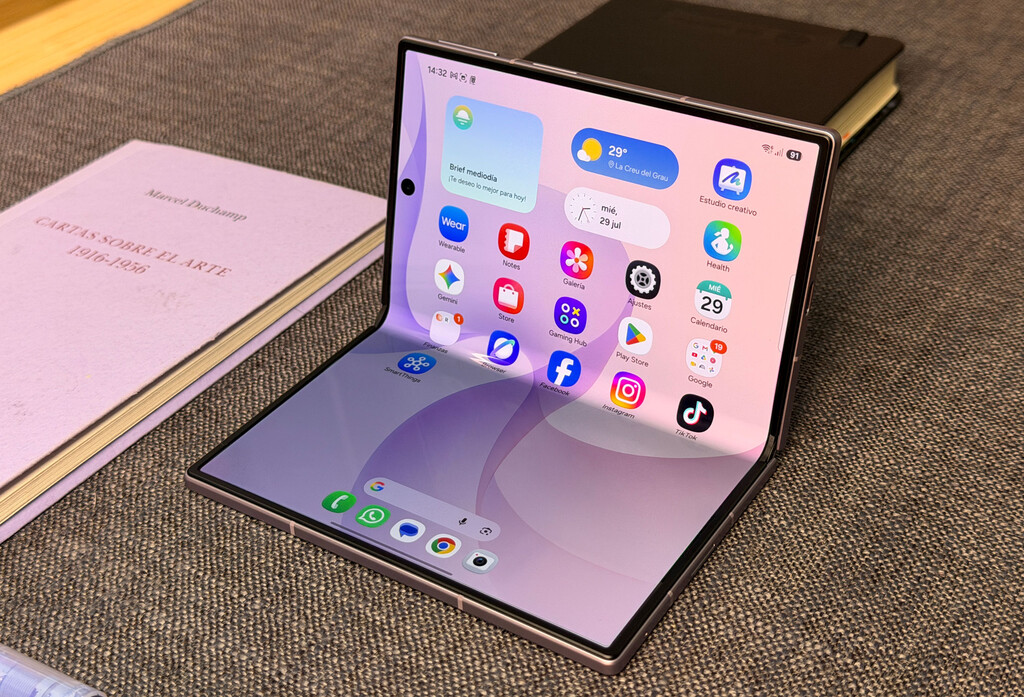
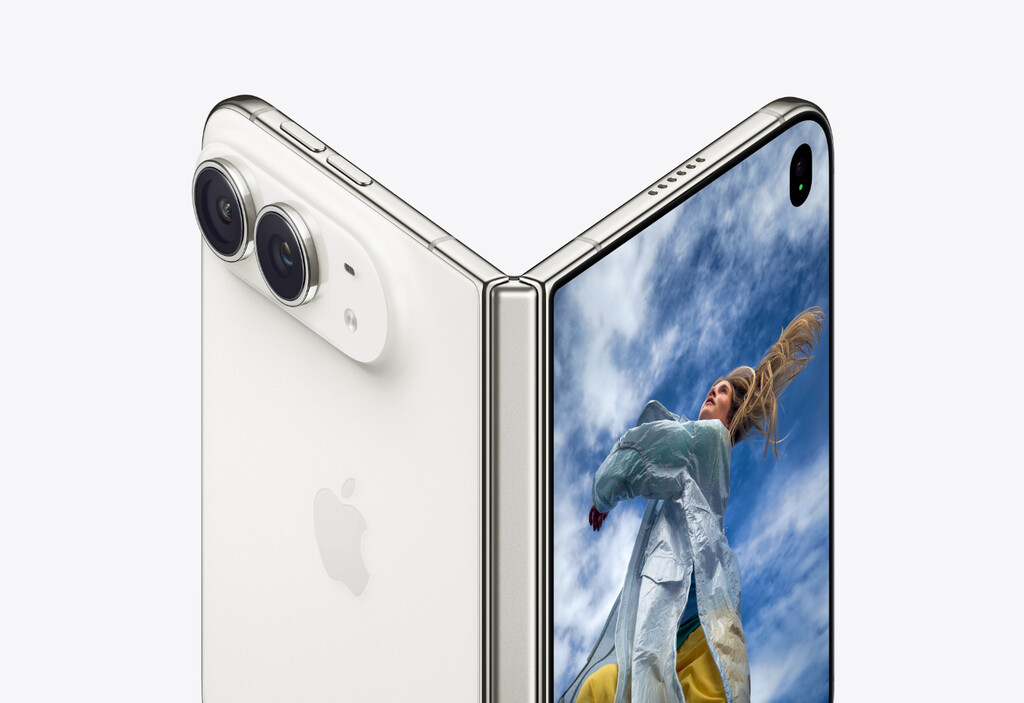
The iPhone Duo doesn't suffer from the bulky form factors or fragile hinges that plagued early foldables. Apple's late arrival means it could focus on refinement rather than basic functionality.
The Samsung Example: A Timeline of Foldable Evolution
Samsung's journey illustrates the foldable learning curve. The original Galaxy Fold, launched in 2018, was riddled with problems: screens that broke without warning, a protective layer users mistakenly peeled off, and a hinge that let in dust.

Each subsequent generation brought improvements. Samsung iterated on hinge design, display durability, and software experience. By the time Apple entered, the blueprint for a reliable foldable was well-established.
What Makes the iPhone Duo a Mature Foldable
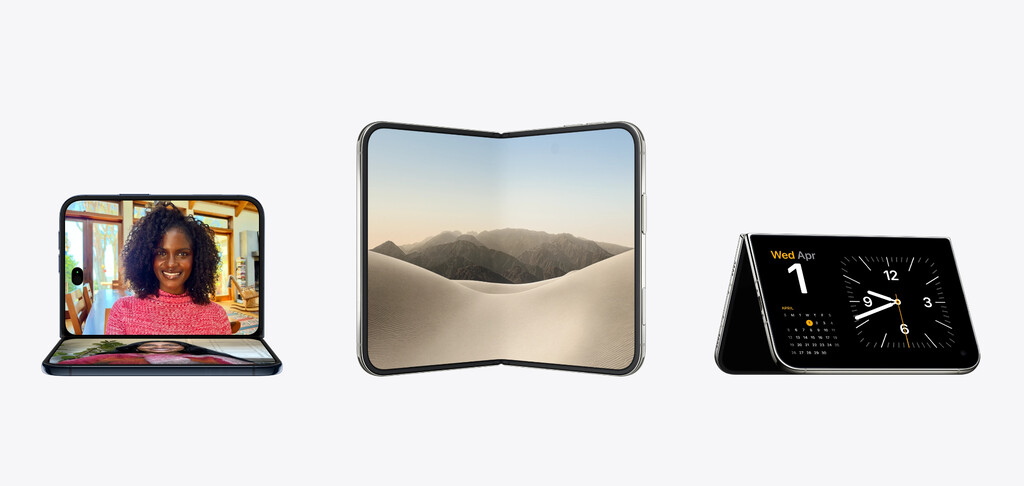
The iPhone Duo benefits from years of industry research. Apple didn't have to reinvent the wheel; it could adopt proven solutions and add its own polish. The passport-style form factor, for instance, has been refined by other manufacturers to balance screen size and portability.
Apple's focus on user experience means the iPhone Duo likely addresses common pain points like crease visibility and hinge durability. Early reports suggest a seamless display and robust build quality.
- Refined design: Apple avoided the bulky prototypes that characterized early foldables.
- Durable hinge: Lessons from competitors led to a more reliable folding mechanism.
- Improved display: Reduced crease and better protection against damage.
- Mature software: iOS optimized for foldable multitasking from the start.
- Ecosystem integration: Seamless continuity with other Apple devices.
How the iPhone Duo Compares to Rivals
When stacked against current foldables, the iPhone Duo holds its own. Its passport-style design is similar to the Samsung Galaxy Z Fold series and the Xiaomi 18 Fold, but Apple's take emphasizes simplicity and integration.
The table below highlights key aspects of the iPhone Duo versus typical competitors.
| Feature | iPhone Duo | Typical Competitor |
|---|---|---|
| Design | Passport-style, refined | Varies, often bulkier |
| Hinge durability | Improved, dust-resistant | Evolved over generations |
| Display crease | Minimal | Noticeable on older models |
| Software | iOS optimized for foldable | Android with foldable features |
| Ecosystem | Seamless Apple integration | Varies by brand |
What This Means for the Foldable Market
Apple's entry validates the foldable category. With the iPhone Duo, foldables move from niche to mainstream. Competitors will need to step up their game, and consumers can expect more innovation and better prices.
The iPhone Duo also sets a new benchmark for what a foldable should be: not a compromise, but a premium device that happens to fold. Apple's influence could accelerate adoption and push the industry toward more refined designs. The background to this story is set out in iPhone Duo Foldable Software: Apple's Real Advantage. A related thread runs through 2026: Best Android Foldable Phones Yet, But What Comes After iPhone Duo. Earlier coverage in Apple's Foldable iPhone Duo: Why It Took So Long to Launch shows how the argument developed.
What to Watch Next
As the iPhone Duo hits the market, keep an eye on how competitors respond. Samsung, Huawei, and others will likely announce new models with improved features. We'll also see how developers adapt apps to take advantage of the foldable form factor. A closer look at the same subject appears in iPhone Duo Continuity: The Real Feature Android Should Copy. Anyone following the wider picture can start with iPhone Duo Review: Apple's Foldable Hides the Crease Well. The same theme surfaces in iPhone Duo Hands-On: Why the Foldable's Real Magic Is Its Posture, which takes a different angle.
For Apple, the iPhone Duo is just the beginning. Future generations will undoubtedly bring even more polish and new capabilities. The foldable race is now truly on, and Apple has entered as a strong contender. Context on how this played out before sits in iPhone Duo Preorder: Apple's First Foldable Now Available. A companion piece, iPhone Duo Review: The Biggest iPhone Change Isn't the Best iPhone, approaches the same subject from another angle.
FAQ
When did Apple launch the iPhone Duo?
Apple recently announced the iPhone Duo, its first foldable iPhone. The exact release date may vary by region, but it marks Apple's official entry into the foldable market after years of rumors.
Why is the iPhone Duo considered a mature foldable?
Because Apple waited for competitors to solve early issues like hinge durability and screen creases. The iPhone Duo incorporates lessons learned from years of foldable development, resulting in a more polished product.
How does the iPhone Duo compare to Samsung's foldables?
The iPhone Duo features a passport-style design similar to Samsung's Galaxy Z Fold series. However, Apple's focus on ecosystem integration and user experience may give it an edge for Apple users. Both offer refined foldable experiences.
Will the iPhone Duo be expensive?
Pricing hasn't been officially announced, but foldables typically command a premium. Expect the iPhone Duo to be priced similarly to high-end foldables from Samsung and others, reflecting its advanced technology and Apple's brand positioning.
Browse the Shop
 Acacia frida deluxe solid wood bed frame |
Bedroom bench |
Bed chest drawers |
Lingerie dresser |
Frame base |
Mirror with jewelry storage |
30 Bathroom Vanity |
Memory foam queen mattress |
Mattresses for back pain |
Nightstand set of 2 |
Grand Goldman Shop |
Civil Lawyer
Deutschland Trikot WM 2026







