

Apple has increased prices on several iPad and Mac models by an average of 20% due to the ongoing RAM crisis, which has been exacerbated by AI-driven demand for memory components. The move comes after CEO Tim Cook recently stated that maintaining current prices was "unsustainable."
Why RAM Prices Are Skyrocketing
The RAM crisis stems from a severe shortage of memory chips, largely because AI data centers are absorbing huge quantities of components. This has driven up prices across the board, and manufacturers are now passing those costs to consumers.
Find Original Home Decor sparking conversation at Grand Goldman Shop.

Several companies have warned of price hikes, and some have even canceled products due to the shortage. With AI continuing to dominate component demand, there is little sign of relief anytime soon.
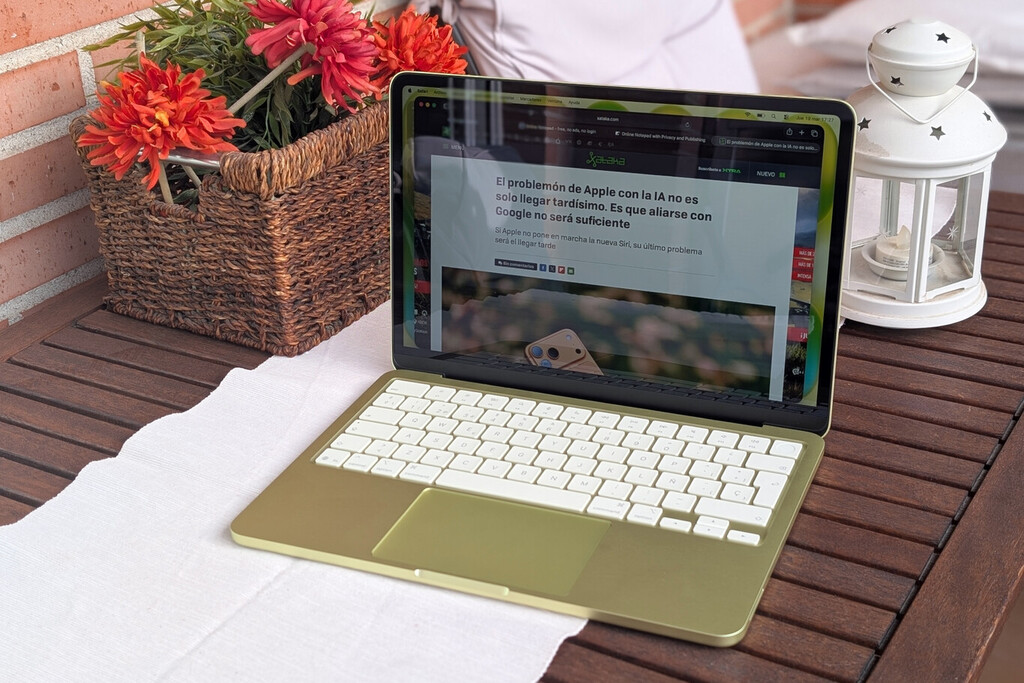
Which Apple Products Are Affected?
Apple has not yet raised iPhone prices, but the first wave of increases hits iPads and Macs. The 13-inch MacBook Air saw the steepest jump: a €230 increase, or 19% more expensive. The high-end MacBook Pro M5 Max models, already the priciest, went up by a whopping €600 each.
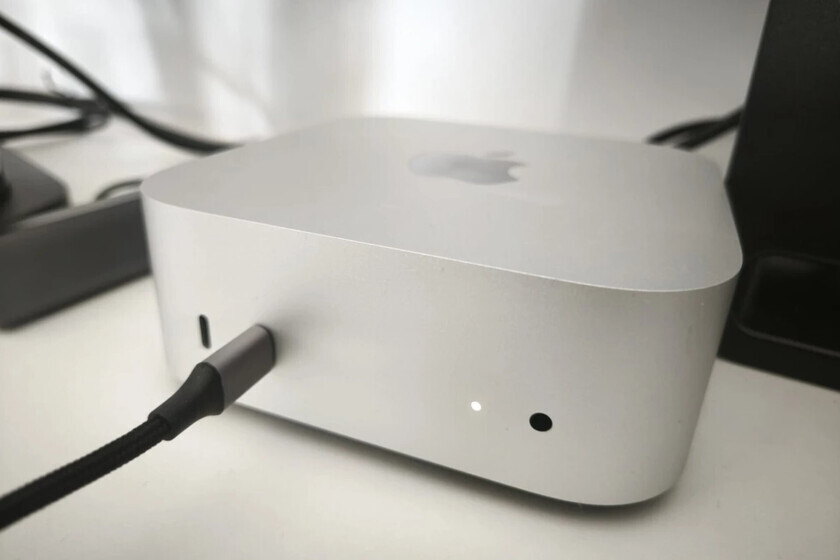
The Mac Mini M4 is a special case: Apple had previously discontinued the 256GB base model and only sold the 512GB version. Now, the base model has returned at €959 (up from €719), effectively a significant price hike.
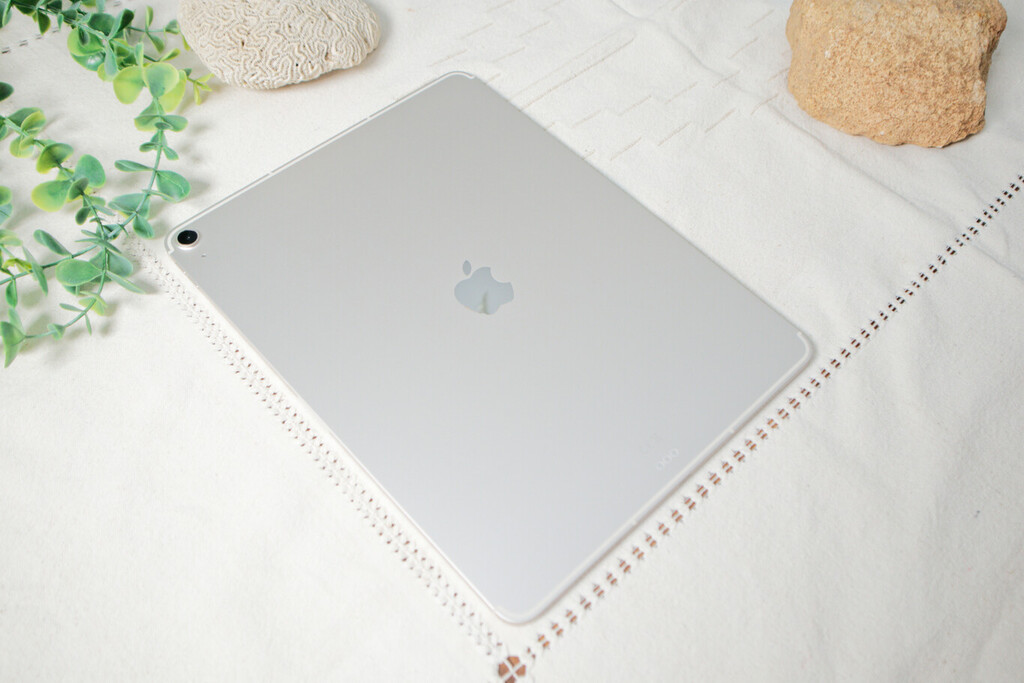
What This Means for Consumers
If you're in the market for a new iPad or Mac, expect to pay more. The price increases make Apple's already premium products even less accessible. For now, the iPhone remains unaffected, but that could change if the RAM shortage persists.
Consumers may want to consider buying sooner rather than later, as further increases are possible. Alternatively, looking at refurbished or older models could be a way to save. The background to this story is set out in Apple Price Hike: Last Chance to Buy Discounted Macs and iPads. A related thread runs through Car Prices Surge: The RAM Shortage Crisis Explained. Earlier coverage in Amazon Raises Prices on Kindle, Echo, and Fire TV Due to RAM Crisis shows how the argument developed.
Industry-Wide Impact
Apple is not alone; other electronics makers are also feeling the pinch. The RAM shortage is a global issue, and it's likely to affect a wide range of devices beyond Apple's lineup. This could lead to higher prices for smartphones, laptops, and other gadgets across the board. A closer look at the same subject appears in iPad A16 Price Increase: Why Now Is the Best Time to Buy. Anyone following the wider picture can start with RAM Crisis 2028: Why Memory Prices Keep Rising and What to Expect. The same theme surfaces in RAM Crisis Drives Apple, Microsoft, Valve Price Hikes, which takes a different angle.
What to Watch Next
Keep an eye on iPhone pricing, as Apple may adjust it if the shortage continues. Also, watch for potential product cancellations or delays as companies struggle to secure components. The situation is fluid, and more changes could be coming. Context on how this played out before sits in 2026 RAM Crisis: Is a High-End Smartphone Still Worth Buying. A companion piece, Microsoft Windows Memory Optimization: Slimming Down for a RAM Crisis, approaches the same subject from another angle.
FAQ
Why is there a RAM shortage?
The RAM shortage is primarily caused by AI data centers consuming massive amounts of memory chips, leading to a global supply crunch.
Will iPhone prices go up too?
Apple has not raised iPhone prices yet, but it's possible if the RAM crisis continues. Tim Cook hinted at changes across the catalog.
How much did the MacBook Air price increase?
The 13-inch MacBook Air increased by €230, which is about 19% more than before.
Is the Mac Mini M4 more expensive now?
Yes, the base model now costs €959, up from €719, because Apple reintroduced the 256GB version at a higher price.
Browse the Shop
 Acacia frida deluxe solid wood bed frame |
Bedroom bench |
Bed chest drawers |
Lingerie dresser |
Frame base |
Mirror with jewelry storage |
30 Bathroom Vanity |
Memory foam queen mattress |
Mattresses for back pain |
Nightstand set of 2 |
Grand Goldman Shop |
Civil Lawyer
Deutschland Trikot WM 2026







