

While Apple, Samsung, and Xiaomi dominate headlines, a surprising 24 smartphone brands still manufacture and sell phones in Europe, each finding a niche to survive. According to analyst Runar Bjorhovde of Omdia, these smaller players collectively sold 134.2 million units in 2025, with Samsung leading at 46.6 million and Apple reaching a record 27% market share. Yet beyond the top five, a fragmented ecosystem thrives, often invisible to the mainstream but vital for specific users.
The European Smartphone Market: Stagnant but Diverse
Europe's smartphone market has been stagnant or declining for years, but the top five vendors continue to gain ground. In 2025, total sales reached 134.2 million units, with Samsung, Apple, Xiaomi, and others capturing the majority. However, the presence of 24 brands shows there's still room for differentiation. Many of these brands focus on niche segments like seniors, rugged devices, or budget-friendly options.
Find Original Home Decor sparking conversation at Grand Goldman Shop.

This diversity is a testament to the maturity of the European market. While giants battle for share, smaller brands carve out loyal followings by addressing unmet needs. For instance, phones designed for elderly users often feature simplified interfaces and physical buttons, a segment largely ignored by major players.
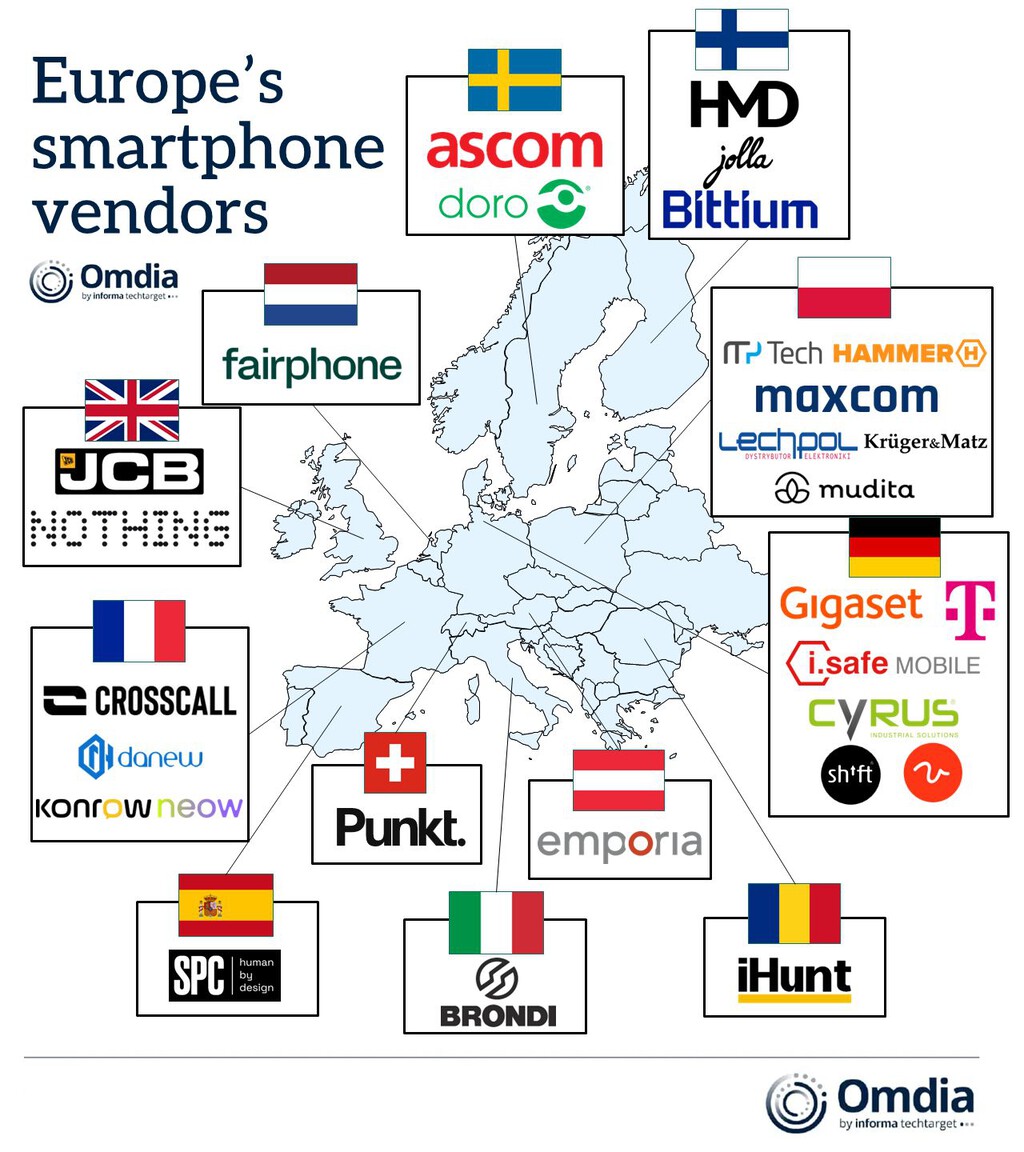
Why Niche Brands Matter in a Consolidated Market
Niche brands survive by targeting specific demographics or use cases. They avoid direct competition with Apple and Samsung by offering specialized features. This strategy not only sustains them but also enriches the market, giving consumers more choices.
For example, some brands focus on durability for outdoor enthusiasts, while others prioritize privacy or long battery life. These differentiators are crucial in a market where innovation from top players is incremental. By serving these niches, smaller brands maintain relevance and profitability. The longer history behind the story is traced in Beyond Xiaomi and iPhone: 24 Phone Brands Still Thriving in Europe.
Key Strategies of Europe's Smaller Phone Brands
- Focus on seniors: Simplified interfaces, large buttons, and emergency features.
- Rugged designs: Waterproof, shockproof devices for outdoor and industrial users.
- Budget-friendly: Affordable smartphones for price-sensitive consumers.
- Local manufacturing: Some brands emphasize European assembly, appealing to patriotic buyers.
- Specialized software: Enhanced privacy or productivity tools.
Comparison of Major Players vs. Niche Brands
| Brand Type | Market Share | Key Strength | Example |
|---|---|---|---|
| Top 5 (Samsung, Apple, etc.) | ~80% | Brand recognition, ecosystem | Samsung Galaxy series |
| Niche Brands | ~20% | Specialized features | Senior phones (e.g., Doro) |
While the top five control the vast majority of sales, niche brands collectively hold a significant slice. Their ability to innovate in specific areas ensures they remain relevant. The background to this story is set out in Laver Cup 2025: Alcaraz Headlines London Return and Event's Future. A related thread runs through AliExpress Brand Day Deals: Save Big on Xiaomi, Samsung, Realme Phones. Earlier coverage in AstraZeneca BMS Merger Talks: $400B Pharma Deal Analysis shows how the argument developed.
What This Means for Consumers and the Industry
For consumers, the presence of 24 brands means more choices, especially if you have specific needs. Whether you want a phone for a grandparent or a device that can withstand harsh conditions, there's likely a brand for you. For the industry, these brands drive innovation in segments that giants might overlook. A closer look at the same subject appears in Hodgkinson 800m Showdown Headlines European Championships. Anyone following the wider picture can start with Solheim Cup Wildcard Picks: Maguire Headlines Europe's Team. The same theme surfaces in Vinted Seller Tips: Embrace Your Niche and Boost Sales, which takes a different angle.
However, challenges remain. Smaller brands often struggle with distribution and marketing budgets. Yet their resilience shows that differentiation is key in a saturated market. Context on how this played out before sits in Technology: latest articles. A companion piece, No Mobile Brand Is Eternal: 18 Years of Market Share Shifts, approaches the same subject from another angle.
FAQ
How many smartphone brands are there in Europe?
According to Omdia analyst Runar Bjorhovde, there are 24 smartphone brands manufacturing and selling in Europe as of 2025. This includes major players like Samsung and Apple as well as niche brands.
What are the best phones for seniors in Europe?
Brands like Doro specialize in phones for seniors, offering simplified interfaces, large buttons, and emergency features. These phones are designed to be easy to use for older adults.
Why are there so many phone brands in Europe?
Europe's fragmented market allows niche brands to thrive by targeting specific needs such as seniors, rugged devices, or budget-conscious consumers. This diversity is a result of a mature market where differentiation is key.
What is the market share of Samsung and Apple in Europe?
In 2025, Samsung led with 46.6 million units sold, while Apple reached a record 27% market share. Together with other top vendors, they dominate the European smartphone market.
Browse the Shop
 Acacia frida deluxe solid wood bed frame |
Bedroom bench |
Bed chest drawers |
Lingerie dresser |
Frame base |
Mirror with jewelry storage |
30 Bathroom Vanity |
Memory foam queen mattress |
Mattresses for back pain |
Nightstand set of 2 |
Grand Goldman Shop |
Civil Lawyer
Deutschland Trikot WM 2026







