

Hisense is making a bold bet on RGB MiniLED technology for its 2026 TV lineup, unveiled at FIFA headquarters in Zurich. The Chinese manufacturer aims to dominate the premium TV market just as the world turns its eyes to the FIFA World Cup.
This isn't just another product launch. Hisense is leveraging its position as the world's second-largest TV seller and the top brand in the 100-inch-plus segment to push a technology that competitors have yet to match.
Find Original Home Decor sparking conversation at Grand Goldman Shop.

Why Hisense Chose FIFA Headquarters to Unveil Its 2026 TVs
Unveiling its 2026 TV lineup at FIFA's headquarters in Zurich was a calculated move. The timing coincides with the year the entire globe will be glued to screens for the World Cup, making it the perfect stage to showcase visual excellence.
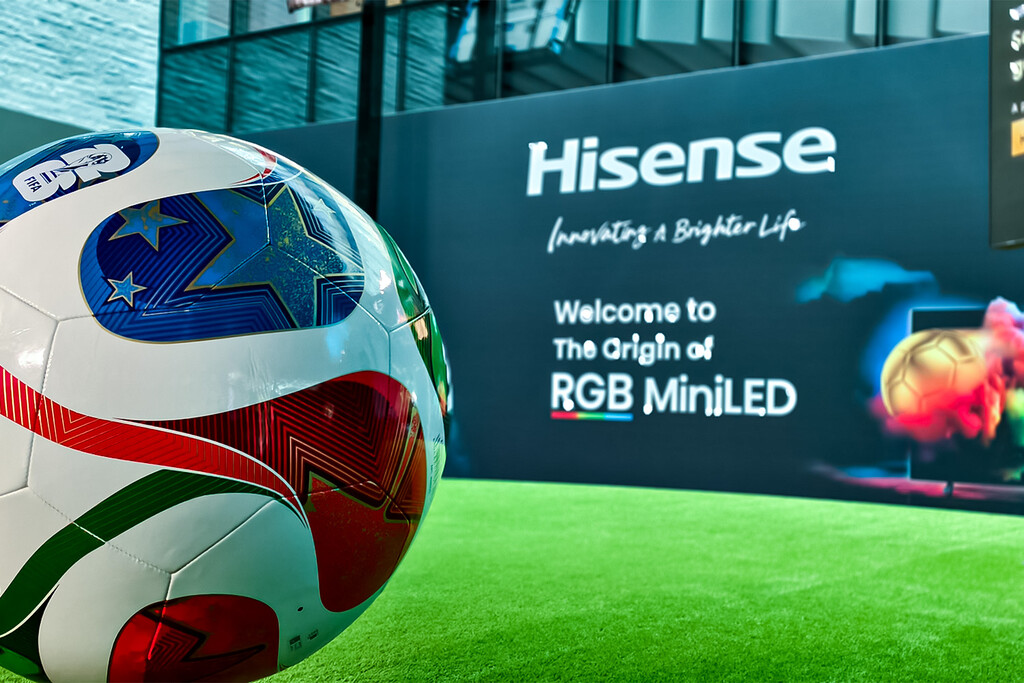
Hisense has renewed its FIFA sponsorship for the third consecutive time, after 2018 and 2022. For 2026, it goes further: it will be the official and exclusive provider of RGB MiniLED TVs for the event.
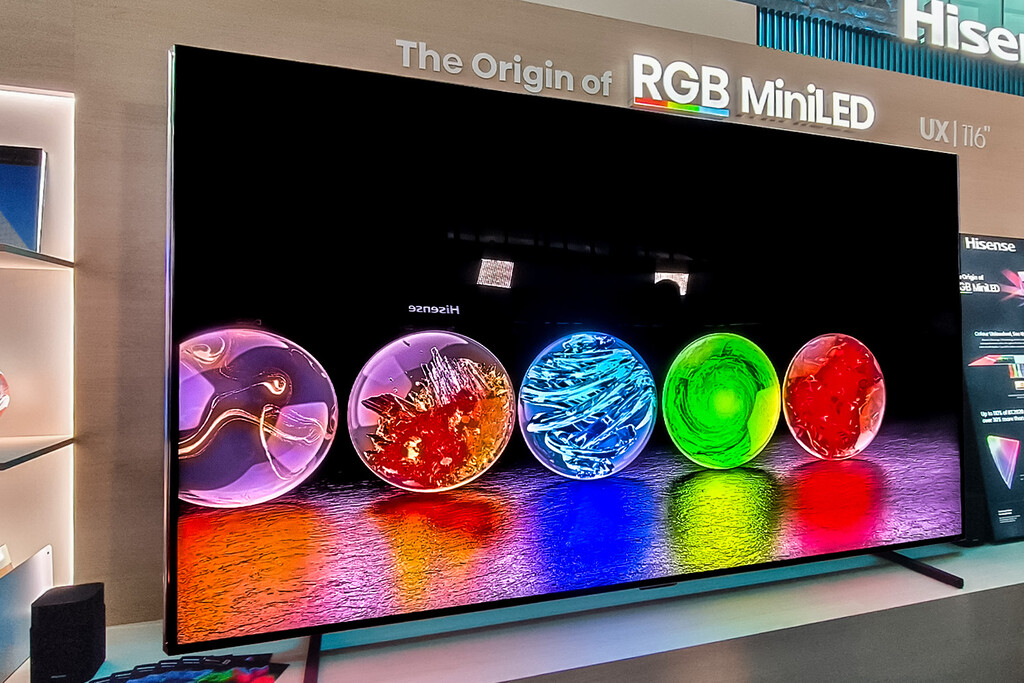
What Makes RGB MiniLED a Game-Changer?
RGB MiniLED is the star of Hisense's 2026 catalog. Unlike traditional MiniLED, which uses a single-color backlight, RGB MiniLED employs individual red, green, and blue LEDs. This allows for more precise color control, higher brightness, and better contrast.
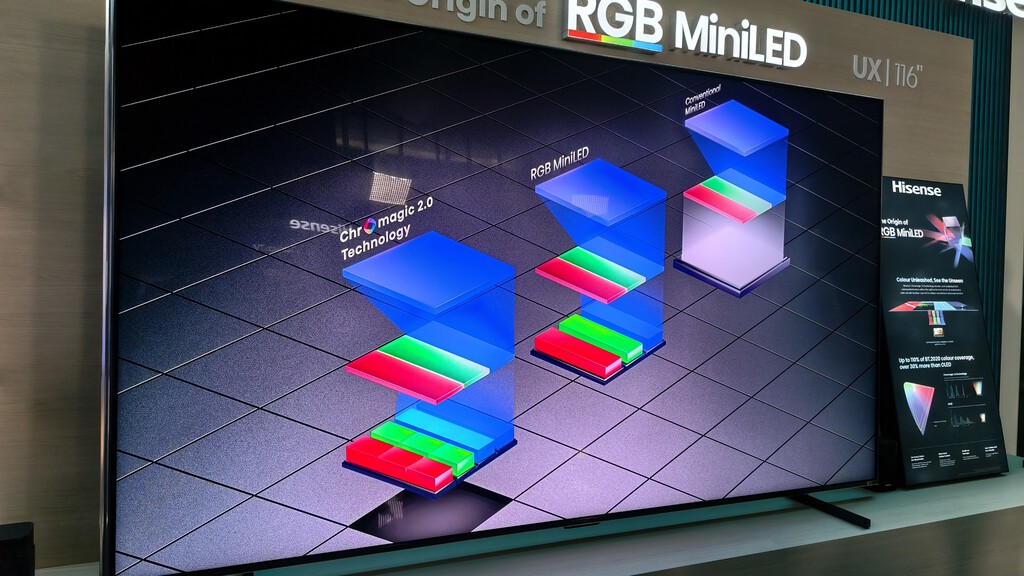
Hisense's flagship models feature up to 8,000 nits of brightness and 3,584 local dimming zones, ensuring stunning HDR performance. The technology also supports Dolby Vision 2, Dolby Vision IQ, HDR10+, HDR10, and HLG.
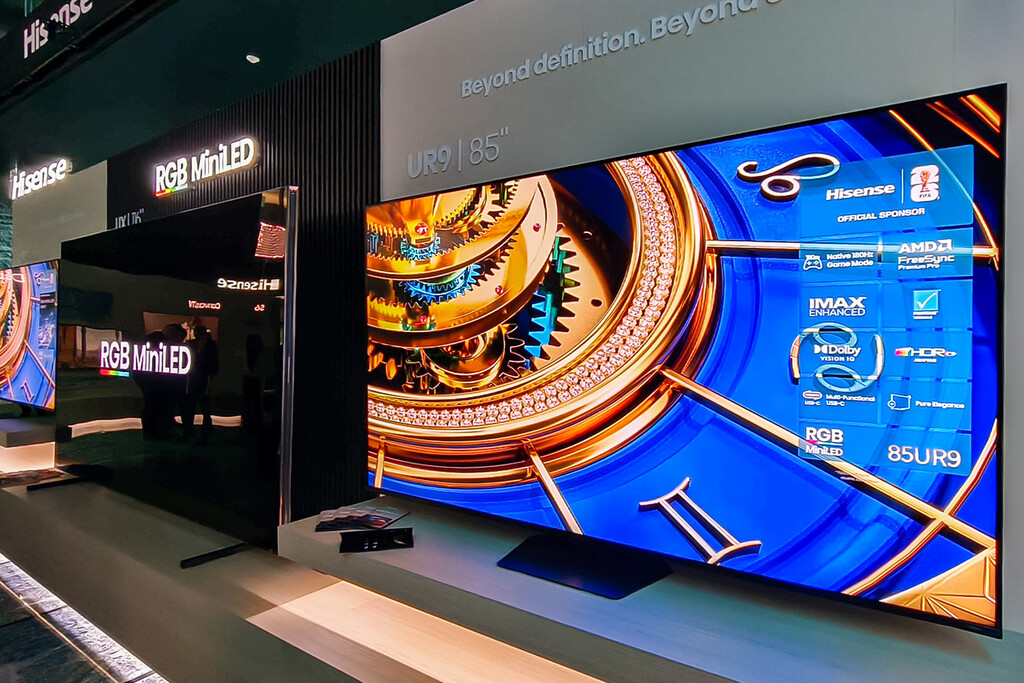
Inside the 2026 Hisense TV Lineup
Hisense's 2026 range spans from a massive 116-inch model to more affordable MiniLED sets, with two high-end series leading the charge.
RGB MiniLED Evo Series
The Evo series introduces a fourth cyan subpixel, enhancing color accuracy and vibrancy. It features VA panels, 4K UHD resolution, 8-bit + FRC, and a 180 Hz refresh rate for smooth motion.
RGB MiniLED Series
This series also uses VA panels with 4K UHD, 8-bit + FRC, and 180 Hz refresh rate. It supports the same HDR formats but may have fewer dimming zones.
How Hisense's 2026 TVs Compare
| Feature | RGB MiniLED Evo | RGB MiniLED |
|---|---|---|
| Panel Type | VA, 4K UHD, 8-bit + FRC | VA, 4K UHD, 8-bit + FRC |
| Refresh Rate | 180 Hz | 180 Hz |
| Brightness | Up to 8,000 nits | Up to 8,000 nits |
| Dimming Zones | 3,584 | Varies by model |
| HDR Support | Dolby Vision 2, Dolby Vision IQ, HDR10+, HDR10, HLG | Dolby Vision 2, Dolby Vision IQ, HDR10+, HDR10, HLG |
| Audio | 2x15W + 2x10W + 2x5W + 2x15W + 2x10W | 2x15W + 2x10W + 20W + 2x15W + 2x10W |
Key Takeaways for Consumers
- RGB MiniLED offers superior color and brightness compared to traditional LED TVs.
- Hisense's 2026 lineup includes models from 116 inches down to more affordable MiniLED sets.
- The Evo series adds a cyan subpixel for even better color accuracy.
- All models support advanced HDR formats including Dolby Vision 2.
- Hisense is the official TV provider for the 2026 FIFA World Cup.
What This Means for the TV Market
Hisense's aggressive push into RGB MiniLED puts pressure on competitors like Samsung and LG, who have yet to announce similar technology. With the World Cup as a global showcase, Hisense is positioning itself as a leader in premium TV innovation. The background to this story is set out in Hisense IFA 2026: RGB MiniLED TVs and AI Kitchen Appliances. A related thread runs through Trump Takes Center Stage at Geopolitics World Cup Final. Earlier coverage in OLED vs MiniLED and RGB MiniLED: The 2026 TV Battle for Picture Quality shows how the argument developed.
For consumers, this means better picture quality and more choices in the high-end segment. As the 2026 World Cup approaches, expect Hisense to ramp up marketing and promotions around its RGB MiniLED TVs. A closer look at the same subject appears in Folding iPhone Unveiled: Apple's New CEO Takes Center Stage. Anyone following the wider picture can start with Trump Takes Center Stage at Final Reckoning of Geopolitics World. The same theme surfaces in Donald Trump Takes Center Stage at Geopolitics World Cup Final, which takes a different angle.
The company's focus on RGB MiniLED also signals a shift away from OLED, which has long been considered the gold standard for premium TVs. If Hisense can deliver on its promises, RGB MiniLED could become the new benchmark. Context on how this played out before sits in Haier 2026 TVs: MiniLED, 115-Inch Screens, No OLED. A companion piece, Sony True RGB: The New OLED Killer for Premium TVs, approaches the same subject from another angle.
FAQ
What is RGB MiniLED?
RGB MiniLED is a backlight technology that uses individual red, green, and blue LEDs instead of a single white LED. This allows for more precise color control and higher brightness.
When will Hisense's 2026 TVs be available?
Hisense has not announced exact release dates, but given the World Cup timing, expect them to hit shelves in the first half of 2026.
How does RGB MiniLED compare to OLED?
RGB MiniLED can achieve higher brightness levels than OLED, making it better for bright rooms and HDR content. However, OLED still offers perfect blacks and wider viewing angles.
Will Hisense's RGB MiniLED TVs support 8K?
The announced models are 4K UHD. Hisense has not indicated any 8K RGB MiniLED TVs for 2026.
Browse the Shop
 Acacia frida deluxe solid wood bed frame |
Bedroom bench |
Bed chest drawers |
Lingerie dresser |
Frame base |
Mirror with jewelry storage |
30 Bathroom Vanity |
Memory foam queen mattress |
Mattresses for back pain |
Nightstand set of 2 |
Grand Goldman Shop |
Civil Lawyer
Deutschland Trikot WM 2026







