

Microsoft has moved to close one of the most convenient loopholes for activating Windows without paying, but the problem of cheap licenses persists. The company is tightening its activation process by leveraging hardware-based security, specifically the Trusted Platform Module (TPM), to prevent software emulation of its Key Management Service (KMS) servers.
For years, users could activate Windows and Office using KMS emulators like AutoKMS, which mimicked the enterprise activation servers Microsoft created for large organizations. This method was simple and widespread, but also risky for professional environments. Now, Microsoft is fighting back with TPM, a hardware component that cannot be easily emulated in software.
Find Original Home Decor sparking conversation at Grand Goldman Shop.

What Was the KMS Loophole?
Microsoft introduced KMS with Windows Vista and Volume Activation 2.0 to help businesses activate large numbers of computers without contacting Microsoft directly. Companies could set up a KMS server on their network, and Windows machines would activate against it.
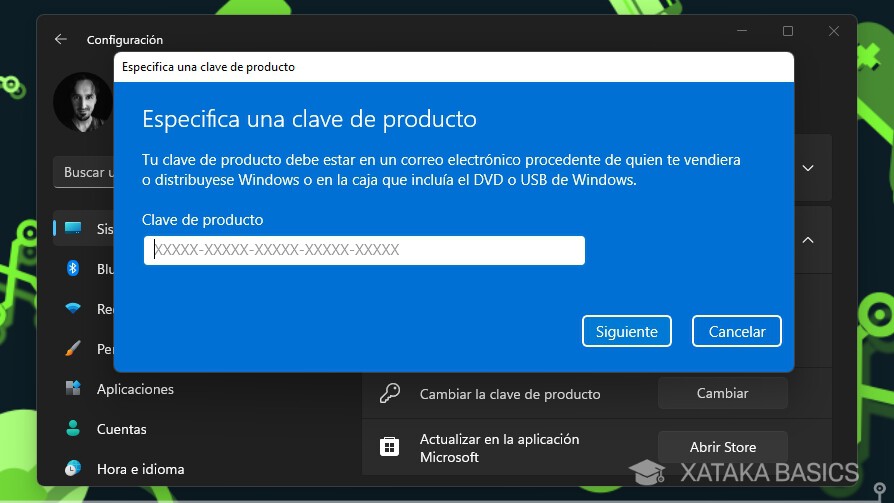
However, the security community quickly found ways to emulate these KMS servers, creating tools that allowed anyone to activate Windows and Office without a legitimate license. The most famous example was the infamous "FCKGW" serial key, which became a symbol of early Windows piracy.
These emulators made activation trivial: just run a program like AutoKMS, and your copy of Windows would be activated. This not only deprived Microsoft of revenue but also exposed users to potential security risks, as these tools often came bundled with malware.
How Microsoft Is Using TPM to Stop Piracy
To combat this, Microsoft is now requiring hardware-based attestation for activation. The TPM is a secure crypto-processor that stores keys and verifies the integrity of the system. By tying activation to the TPM, Microsoft ensures that the activation process cannot be replicated in software alone.
This means that KMS emulators can no longer fool Windows into thinking it's activated. The TPM provides a unique hardware identity that Microsoft can validate, making it much harder to bypass licensing checks.
While this is a significant blow to piracy, it also raises concerns for legitimate users who may have older hardware without TPM 2.0. Microsoft has stated that Windows 11 requires TPM 2.0, but the activation changes could affect Windows 10 as well.
The Rise of Cheap Licenses
Despite Microsoft's efforts, the market for cheap Windows licenses is thriving. Many users turn to third-party resellers offering keys for a fraction of the official price. These keys often come from volume licensing agreements or are obtained through questionable means.
While these licenses may activate Windows, they often violate Microsoft's terms of service and can be deactivated at any time. Moreover, they may not be legitimate, leaving users without support or security updates.
The problem is compounded by the fact that many users are unaware of the risks. A license that costs less than a pizza might seem like a bargain, but it can lead to significant headaches down the line.
What This Means for Users and Businesses
For businesses, the crackdown on KMS emulation is a reminder to ensure all software is properly licensed. Using unlicensed software can lead to legal consequences and security vulnerabilities. Microsoft offers various licensing options, including subscriptions and volume licensing, to suit different needs. The background to this story is set out in Putin's Unactivated Windows: Microsoft's Quiet Tolerance of Piracy. A related thread runs through Microsoft: AI Agents Are Insider Threats, Not Trusted Tools. Earlier coverage in Solitaire: The Microsoft Windows Game That Defined Office Procrastination shows how the argument developed.
For individual users, the change means that the easy path to free activation is closing. Those who rely on KMS emulators will need to find alternative methods, which may include purchasing a legitimate license or exploring open-source alternatives. A closer look at the same subject appears in UK Cinemas Consider Banning Meta Smart Glasses to Prevent Piracy. Anyone following the wider picture can start with Somali Piracy Resurgence Threatens Global Shipping. The same theme surfaces in Microsoft Surface Laptop 8 Review: Haptic Touchpad & Power, which takes a different angle.
It's also a wake-up call about the importance of hardware security. TPM is becoming a standard requirement for Windows, and users should check whether their devices support it. Context on how this played out before sits in Windows 7 vs Windows 11 Gaming: 10 Games Show Surprising Performance. A companion piece, Replace Windows Without Breaking the Bank or the Wall, approaches the same subject from another angle.
Key Takeaways
- Microsoft is using TPM hardware to block software-based KMS emulation.
- The change makes it harder to activate Windows without a legitimate license.
- Cheap licenses from third-party resellers carry risks and may violate terms.
- Businesses should audit their software licensing to avoid legal issues.
- Users should verify TPM support on their devices for future Windows updates.
Comparison of Activation Methods
| Method | Legitimacy | Cost | Security Risk |
|---|---|---|---|
| Official License | Legitimate | Full price | Low |
| Third-Party Cheap License | Questionable | Low | Medium |
| KMS Emulator | Illegitimate | Free | High |
FAQ
What is KMS activation?
KMS (Key Management Service) is a Microsoft technology that allows organizations to activate Windows and Office on multiple computers without contacting Microsoft directly. It was designed for large businesses but has been exploited by pirates.
Why is Microsoft using TPM to stop piracy?
TPM is a hardware chip that provides secure storage and cryptographic functions. By tying activation to TPM, Microsoft ensures that the process cannot be emulated in software, making it much harder to bypass licensing.
Are cheap Windows licenses legitimate?
Not always. Many cheap licenses come from volume agreements or are resold improperly. They may activate Windows but can be deactivated and often violate Microsoft's terms of service.
What should I do if my Windows is not activated?
Purchase a legitimate license from Microsoft or an authorized reseller. Avoid using activation tools that can compromise your security and lead to legal issues.
Browse the Shop
 Acacia frida deluxe solid wood bed frame |
Bedroom bench |
Bed chest drawers |
Lingerie dresser |
Frame base |
Mirror with jewelry storage |
30 Bathroom Vanity |
Memory foam queen mattress |
Mattresses for back pain |
Nightstand set of 2 |
Grand Goldman Shop |
Civil Lawyer
Deutschland Trikot WM 2026







