

Microsoft is making Windows memory optimization a top priority, according to Pavan Davuluri, president of the Windows and Devices division. The move comes as RAM prices have surged due to demand from data centers, making PC upgrades increasingly expensive for everyday users.
For years, the tech industry relied on cheap memory to solve performance problems. Now, with memory no longer affordable, Microsoft is reversing course and slimming down its operating system.
Find Original Home Decor sparking conversation at Grand Goldman Shop.

Why Windows Memory Optimization Matters Now
The cost of RAM has skyrocketed, driven by the booming demand for data centers that power AI and cloud services. As a result, consumers and businesses face sticker shock when trying to upgrade their PCs. What was once a simple upgrade—adding more memory—has become a luxury many can't afford.
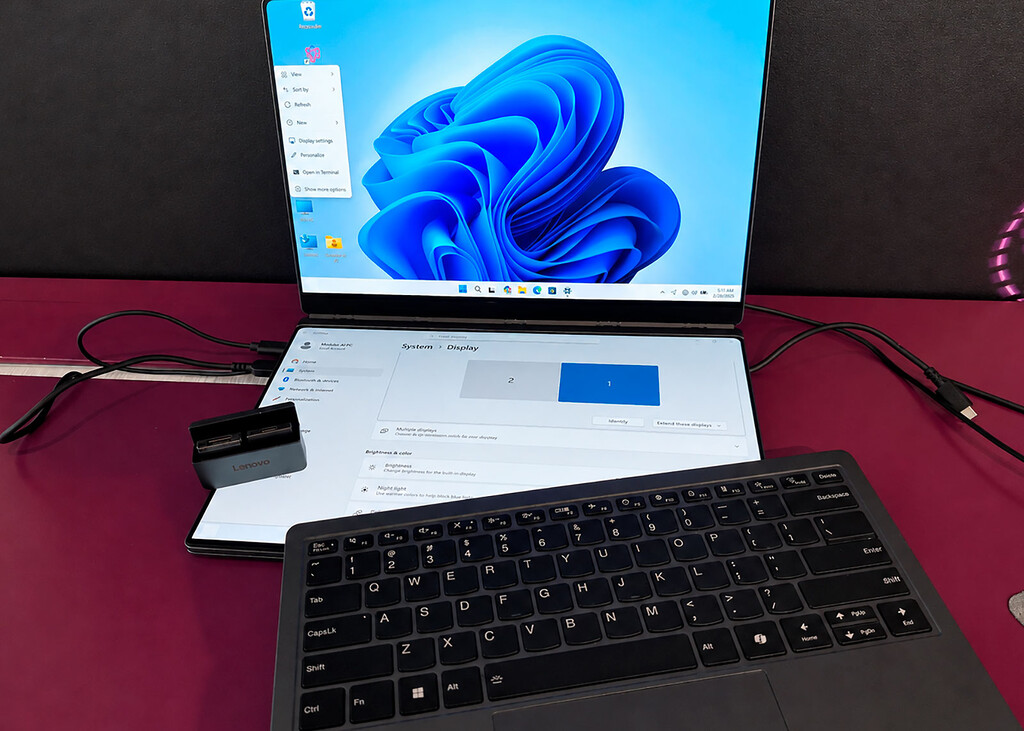
This shift has forced Microsoft to rethink its approach. Instead of assuming users can throw more RAM at performance issues, the company is now focused on making Windows run efficiently on less memory. It's a significant change in philosophy for an OS that has grown heavier with each release.
What Microsoft's Plan Entails
Davuluri outlined a plan for the remainder of 2026 with four key areas of focus. While the full details aren't yet public, the overarching goal is clear: reduce Windows' memory footprint and improve performance on lower-end hardware.
This means optimizing core system processes, reducing background resource consumption, and potentially rethinking how applications are managed. The company aims to ensure that even systems with 8GB of RAM—which many consider outdated—can run smoothly.
The 8GB Challenge
Just a few years ago, 8GB was considered ample for everyday computing. Today, with browsers alone consuming large chunks of memory, 8GB often leads to a sluggish experience. Microsoft's optimization efforts could breathe new life into these systems, extending their usable lifespan and reducing e-waste.
But it's not just about older machines. Even new budget PCs often ship with 8GB, and making Windows leaner benefits everyone. It also aligns with the growing emphasis on sustainability in tech.
How This Affects PC Users and Manufacturers
For users, the immediate benefit is better performance on existing hardware, delaying the need for costly upgrades. For manufacturers, it means they can continue to offer affordable models without compromising on user experience. This could help stabilize the PC market, which has seen fluctuating demand.
However, there's also a risk: if Microsoft optimizes too aggressively, it might alienate power users who rely on memory-hungry applications. The company will need to strike a balance between efficiency and capability. The longer history behind the story is traced in CMF Phone 3 Pro Cancellation Exposes Deeper Memory Crisis.
Key Takeaways for PC Owners
- RAM prices are rising due to data center demand, making upgrades costly.
- Microsoft is optimizing Windows to reduce memory requirements and improve performance on low-end hardware.
- 8GB systems may get a new lease on life as a result of these efforts.
- Users can expect better efficiency but should watch for potential trade-offs in functionality.
- The plan targets 2026, with more details likely to emerge in the coming months.
Comparing Memory Needs: Then vs. Now
| Year | Typical RAM in New PCs | Common User Expectation | RAM Price Trend |
|---|---|---|---|
| 2015 | 4-8GB | Sufficient for everyday tasks | Low and stable |
| 2020 | 8-16GB | 16GB recommended for multitasking | Moderate |
| 2025 | 16-32GB | 32GB ideal for gaming and heavy apps | Rising sharply |
| 2026 (projected) | 16-32GB | Optimization may reduce need for more | High and volatile |
As the table shows, the expectation for RAM has grown steadily, but the cost has now become a barrier. Microsoft's optimization aims to break the cycle of ever-increasing memory demands. The background to this story is set out in TRON: The Japanese OS That Became the Asian Windows. A related thread runs through Microsoft President Warns AI Safety Rules Weaker Than Milk. Earlier coverage in Microsoft AI Chip Shortage Threatens Data Center Expansion shows how the argument developed.
What to Watch Next
Microsoft's plan is still in its early stages, but the implications are significant. If successful, it could set a precedent for other software vendors to prioritize efficiency over raw resource consumption. It also puts pressure on hardware makers to innovate in memory management. A closer look at the same subject appears in Microsoft Surface Laptop 8 Review: Haptic Touchpad & Power. Anyone following the wider picture can start with Solitaire: The Microsoft Windows Game That Defined Office Procrastination. The same theme surfaces in Microsoft Opens Voluntary Exit Plan to 60,000 Employees, which takes a different angle.
For now, users should keep an eye on Windows updates and consider whether their current system meets their needs. With RAM prices unlikely to drop soon, optimizing what you have is the smartest move. Context on how this played out before sits in Microsoft Data Center in Zaragoza Faces Neighborhood Backlash. A companion piece, UK Firefighters Need National Priority for Wildfire Threats, approaches the same subject from another angle.
FAQ
Why is RAM so expensive now?
Will Windows optimization really help my old PC?
When will these changes take effect?
Should I still consider upgrading my RAM?
Browse the Shop
 Acacia frida deluxe solid wood bed frame |
Bedroom bench |
Bed chest drawers |
Lingerie dresser |
Frame base |
Mirror with jewelry storage |
30 Bathroom Vanity |
Memory foam queen mattress |
Mattresses for back pain |
Nightstand set of 2 |
Grand Goldman Shop |
Civil Lawyer
Deutschland Trikot WM 2026







