

Samsung at IFA 2026 made a clear statement: the smart home battle is no longer about individual devices. Instead, it's about owning the entire ecosystem. At the Samsung Connect event in Berlin, the company showcased how its full range of home appliances and devices work together as a single, intelligent system.
Surprisingly, almost none of the products on display were actually new. The Galaxy S26 FE was announced just a week earlier, the Galaxy Book6 debuted at MWC Barcelona, and the new Odyssey gaming monitor range for 2027 was unveiled days ago. The only real novelty was the Bespoke AI Washer with 10 kg and 13 kg capacities while maintaining a 60 cm form factor. But even this launch felt muted, as the models exhibited still lack a confirmed sale date. If this were a product press release, it would be quite weak.
Find Original Home Decor sparking conversation at Grand Goldman Shop.

What makes Samsung's IFA 2026 showing interesting is not new hardware but the demonstration that its entire catalog of home devices already functions as one cohesive system. The goal, ironically, is for users to not need to know how their devices work—it simply happens.
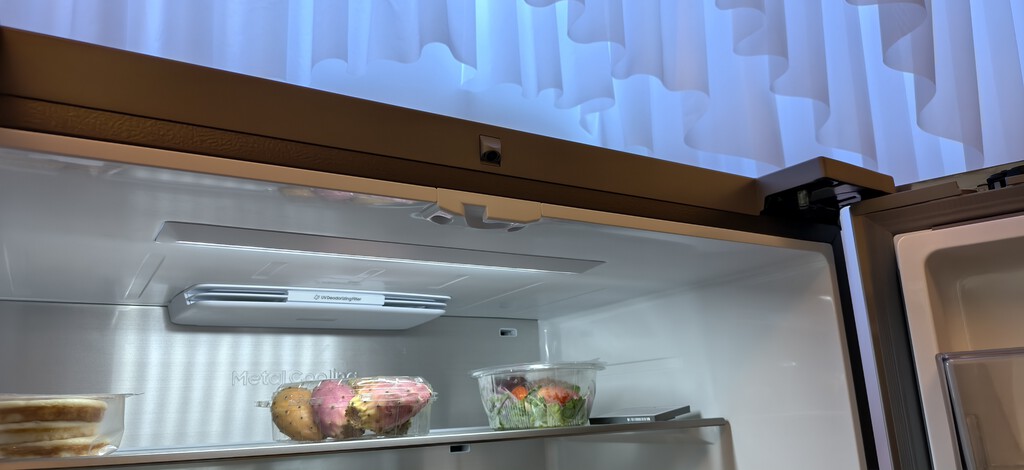
Why the Smart Home Ecosystem Matters More Than Devices
For years, the smart home market focused on individual gadgets: a smart speaker here, a connected light bulb there. But Samsung's vision at IFA 2026 flips that model. The company is betting that consumers will choose an ecosystem over isolated products, because the real value lies in seamless integration.
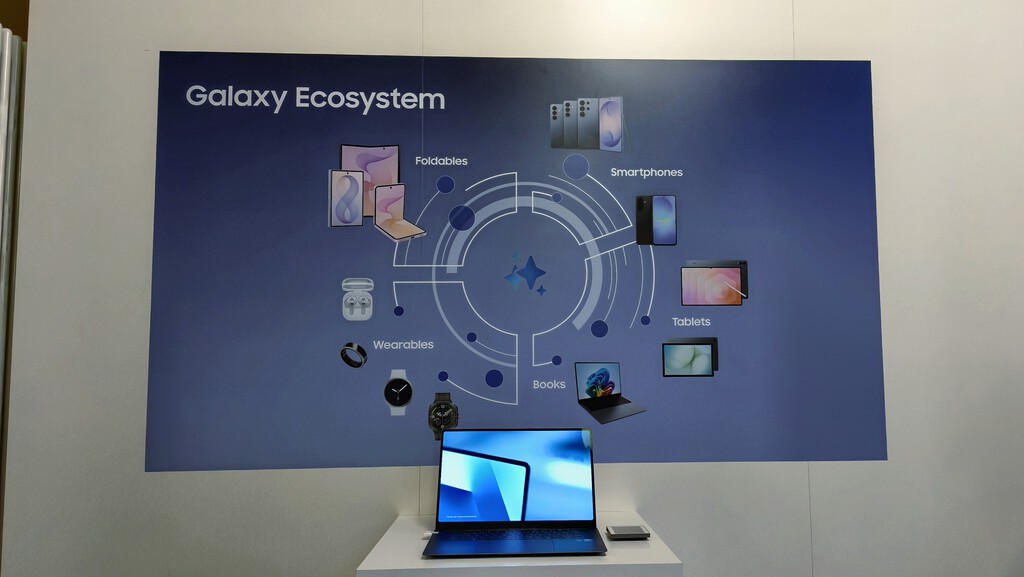
This shift has major implications. When devices work together, they can anticipate needs, automate routines, and deliver experiences that no single product can match. For example, Samsung's latest TVs come equipped with Vision AI Companion, which uses AI to recognize what you're watching and adjust the TV's settings for the best picture quality automatically. That's just one piece of a much larger puzzle.
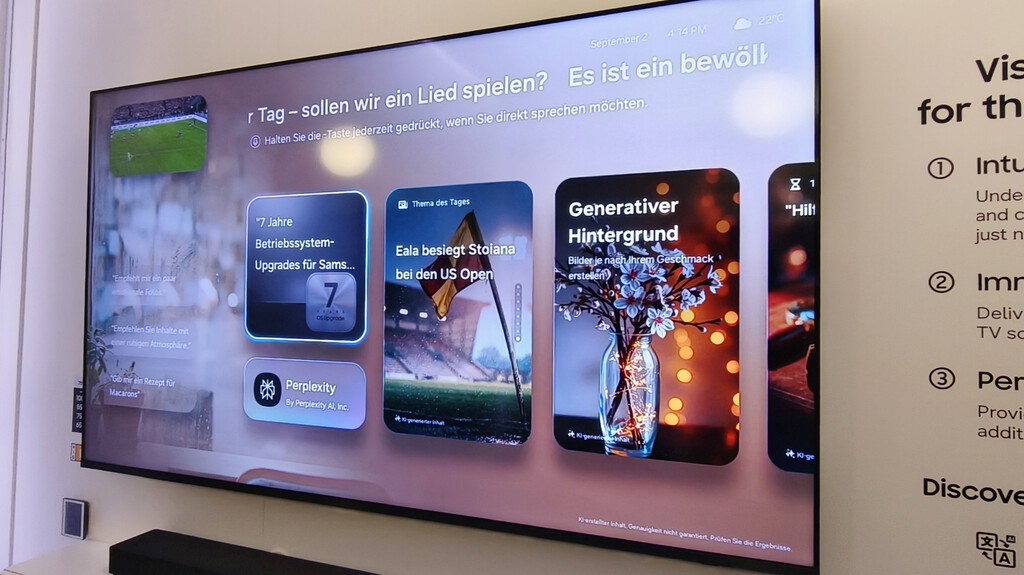
As Samsung continues to push this ecosystem approach, it's clear that the company wants to be the backbone of the connected home. And that's a battle that will be won not by the best individual device, but by the most cohesive and intelligent system.
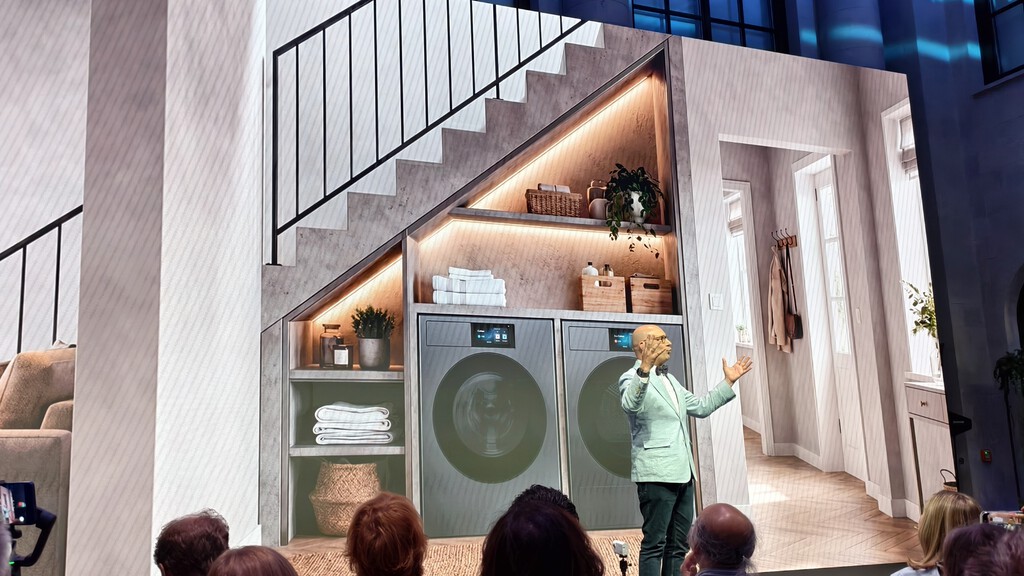
What Samsung Showed at IFA 2026
While the products themselves weren't new, the demonstration was. Samsung showed how its devices—from washing machines to TVs to smartphones—communicate and coordinate with each other. The Bespoke AI Washer, for instance, can sync with other smart appliances to optimize energy use and scheduling.
The Vision AI Companion on TVs is another example. It doesn't just adjust picture settings; it learns your viewing habits and can integrate with other smart home devices to create personalized experiences. For instance, it might dim the lights when you start a movie or adjust the thermostat based on your preferences.
Samsung's message is clear: the future of the smart home is not about having the latest gadget, but about having a system that works effortlessly in the background. And the company is positioning itself as the leader in that space.
The Competitive Landscape: Who Else Is Playing?
Samsung isn't alone in this race. Other tech giants like Google, Amazon, and Apple are also building smart home ecosystems. But Samsung has a unique advantage: it manufactures a vast array of home appliances, from refrigerators to washing machines, giving it a broader footprint in the home.
However, the competition is fierce. Google's Nest ecosystem and Amazon's Alexa are strong contenders, and Apple's HomeKit is known for its privacy and security. Samsung's challenge will be to convince consumers that its ecosystem is not only comprehensive but also easy to use and reliable.
At IFA 2026, Samsung seemed to acknowledge this by emphasizing simplicity. The goal is for users to not have to think about how devices interact—they just do. That's a compelling pitch, but it remains to be seen if consumers will buy into a single-brand ecosystem or prefer a mix-and-match approach.
Key Takeaways from Samsung's IFA 2026 Event
- Ecosystem over devices: Samsung is shifting focus from individual products to a fully integrated smart home system.
- AI-driven automation: Features like Vision AI Companion automatically optimize settings based on user behavior.
- Limited new hardware: The only new product was the Bespoke AI Washer, and even that lacks a release date.
- Competitive pressure: Samsung faces tough competition from Google, Amazon, and Apple in the smart home space.
- User-centric simplicity: The ultimate goal is a system that works seamlessly without requiring user intervention.
Comparison: Samsung Ecosystem vs. Other Smart Home Platforms
| Feature | Samsung SmartThings | Google Nest | Amazon Alexa | Apple HomeKit |
|---|---|---|---|---|
| Device Variety | Extensive (appliances, TVs, phones) | Moderate (speakers, displays, cameras) | Extensive (speakers, displays, plugs) | Limited (mostly third-party accessories) |
| AI Integration | Vision AI Companion, Bespoke AI | Google Assistant, Nest AI | Alexa AI | Siri, HomeKit Secure Video |
| Ease of Use | High (automated) | High | High | Moderate (requires setup) |
| Privacy Focus | Moderate | Moderate | Low to moderate | High |
What This Means for Consumers
For consumers, the shift toward ecosystems means more convenience but also more lock-in. Once you invest in a particular ecosystem, switching becomes costly and complicated. That's why Samsung's emphasis on simplicity and automation is smart—it reduces the friction of adoption. The background to this story is set out in Hisense IFA 2026: RGB MiniLED TVs and AI Kitchen Appliances. A related thread runs through Bosch IFA 2026: New Series 8 Washer-Dryer and Smart Appliances. Earlier coverage in MOVA Robots at IFA 2026: Touch, Watering, and Fruit Picking shows how the argument developed.
But it also raises questions about data privacy and interoperability. Will Samsung's ecosystem play nicely with devices from other brands? And how much data is Samsung collecting to make these automations work? These are concerns that consumers will increasingly weigh as they build their smart homes. A closer look at the same subject appears in Apple 'Welcome Home' Event: Smart Home Devices Expected. Anyone following the wider picture can start with Samsung Galaxy S26 FE: The first images have appeared. The same theme surfaces in Samsung Galaxy S26: Is Now the Right Time to Buy, which takes a different angle.
At IFA 2026, Samsung didn't provide all the answers, but it did make one thing clear: the future of the smart home is integrated, intelligent, and invisible. And Samsung intends to be at the center of it. Context on how this played out before sits in Smart Home System: A Complete Overview of Features. A companion piece, Google and Samsung announced Smart Glasses with artificial intelligence, approaches the same subject from another angle.
FAQ
What was the main announcement from Samsung at IFA 2026?
Why is Samsung emphasizing ecosystem over individual devices?
How does Samsung's Vision AI Companion work?
What are the concerns with adopting a single-brand smart home ecosystem?
Browse the Shop
 Acacia frida deluxe solid wood bed frame |
Bedroom bench |
Bed chest drawers |
Lingerie dresser |
Frame base |
Mirror with jewelry storage |
30 Bathroom Vanity |
Memory foam queen mattress |
Mattresses for back pain |
Nightstand set of 2 |
Grand Goldman Shop |
Civil Lawyer
Deutschland Trikot WM 2026







