

Smart glasses privacy concerns are back in the spotlight as Google and Samsung officially launch their new Intelligent Eyewear, built on the Android XR platform. The devices, which start at $395, are now available for pre-order in the US and South Korea, with a release date set for December 10.
Mark Zuckerberg has long predicted that smart glasses will become the next smartphone, and Meta's Ray-Ban glasses have gained traction. However, privacy advocates argue that much more can be done to protect users and bystanders. The entry of Google and Samsung adds new momentum—and new questions.
Find Original Home Decor sparking conversation at Grand Goldman Shop.

What Are the New Smart Glasses from Google and Samsung?
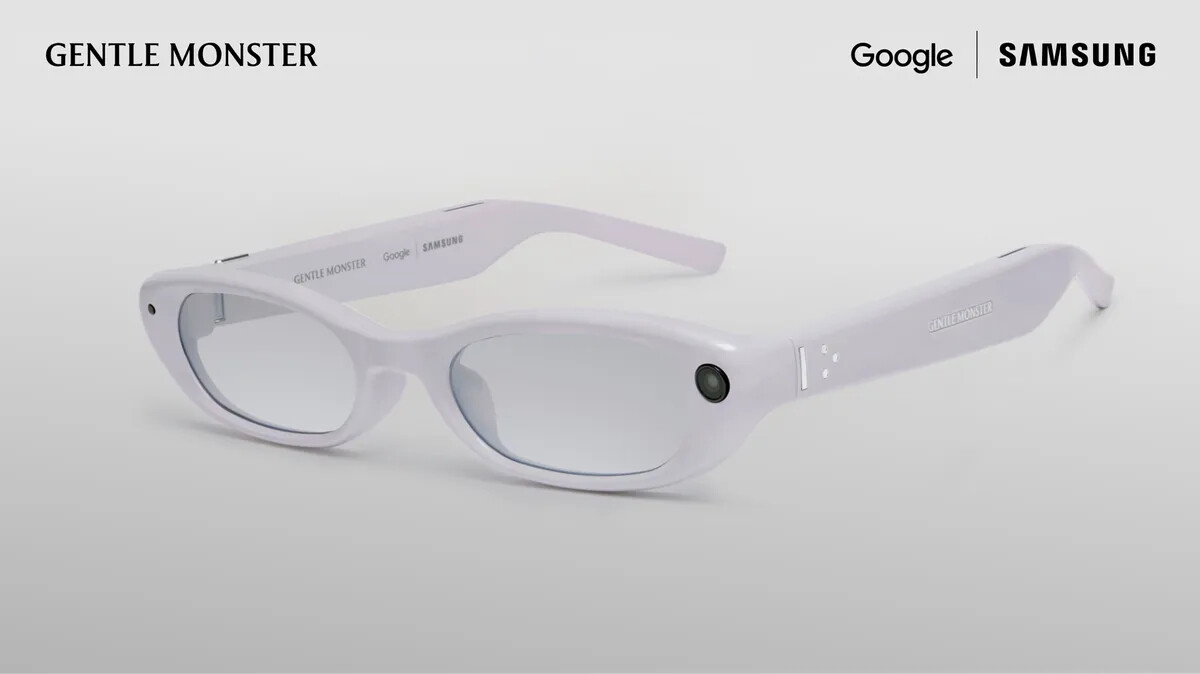
The Intelligent Eyewear is a three-way collaboration. Samsung designs the hardware, Google provides the software based on Gemini, and eyewear brands Warby Parker and Gentle Monster handle design and fit. The project was first previewed in July, but now we have concrete details on pricing and availability.

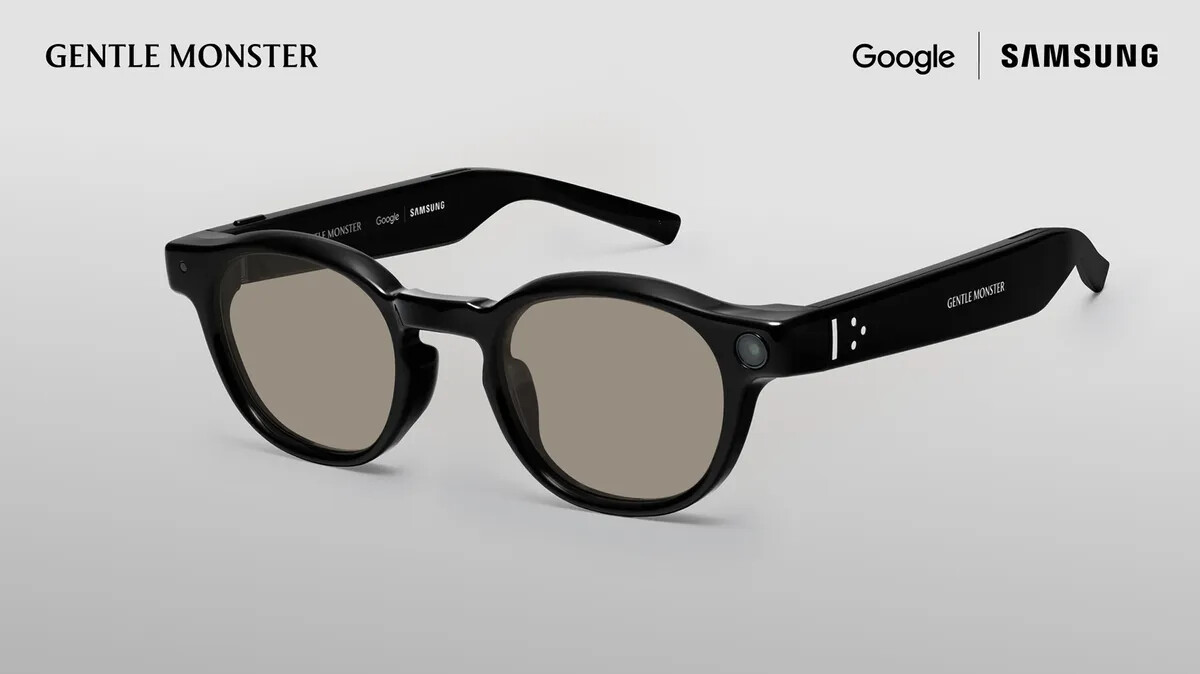
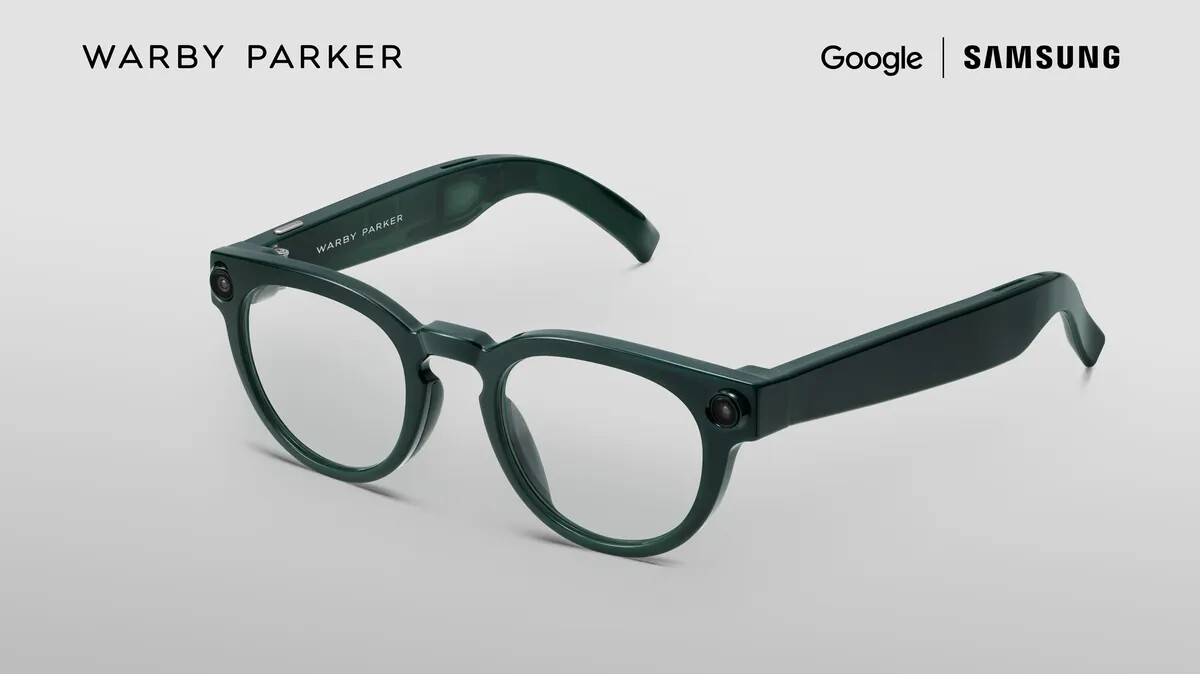
Warby Parker offers three styles—Alden, Reid, and Wren—in colors Pine, Saddle, and Jet Black, with prescription or sunglass lenses. Prices start at $395, and they are sold only in the US. Gentle Monster offers six styles in bolder colors like dark red, pink, gray, and yellow, with clear, tinted, blue, or brown lenses. Prices start at $449, and they will be available in the US and South Korea.
Key Features and Specs
- Android XR platform with Gemini AI integration for voice and visual assistance.
- Camera and sensors for capturing photos and videos, and for augmented reality overlays.
- Prescription-ready lenses from Warby Parker and Gentle Monster.
- Pricing starts at $395 for Warby Parker models and $449 for Gentle Monster.
- Availability: Pre-orders open now; on sale December 10 in the US and South Korea.
Privacy Concerns Linger
Smart glasses have always raised privacy red flags. The ability to record video and take photos discreetly can make bystanders uncomfortable. Google and Samsung have not yet detailed how they will address these concerns, such as clear indicator lights or strict data handling policies.
Meta's glasses include a capture LED that lights up when recording, but critics say it's not enough. With Google's data collection practices already under scrutiny, the new glasses could face even tighter examination. Privacy advocates are calling for transparency and user control over what is captured and shared.
How Do They Compare to Meta's Smart Glasses?
| Feature | Google/Samsung Intelligent Eyewear | Meta Ray-Ban Glasses |
|---|---|---|
| Starting Price | $395 (Warby Parker), $449 (Gentle Monster) | $299 |
| AI Assistant | Google Gemini | Meta AI |
| Platform | Android XR | Proprietary |
| Prescription Lenses | Yes, via Warby Parker and Gentle Monster | Yes, via Ray-Ban |
| Availability | US, South Korea (pre-orders now) | US, UK, Canada, and more |
What This Means for the Smart Glasses Market
The entry of Google and Samsung signals that big tech sees smart glasses as a viable category. With Android XR, Google aims to create an ecosystem similar to Android for phones, potentially attracting more developers and manufacturers.
However, success will depend on addressing privacy concerns and delivering a compelling use case. The $395 price point is competitive but higher than Meta's $299 Ray-Bans. The inclusion of prescription lenses and fashion-forward designs may appeal to early adopters, but mainstream adoption will require trust. The background to this story is set out in Meta Glasses 2025: Are You Wearing the New Smart Eyewear?. A related thread runs through Meta Smartglasses Backlash: Privacy Concerns and Creep Glasses. Earlier coverage in Smart Glasses Face Blurring Mandate: Australia's Safety Call shows how the argument developed.
What to Watch Next
As the December 10 launch approaches, keep an eye on how Google and Samsung communicate about privacy features. Will they introduce new transparency tools? How will they handle data storage and sharing? Also watch for reviews on battery life, comfort, and AI performance. A closer look at the same subject appears in Meta Smart Glasses Without Camera: A Privacy Game Changer. Anyone following the wider picture can start with Ray-Ban Meta Smart Glasses Banned in UK Venues Over Privacy. The same theme surfaces in Meta Smartglasses: Privacy Concerns and Real-World Impact, which takes a different angle.
The smart glasses race is heating up, and privacy will be a key battleground. For now, consumers should weigh the convenience against the potential risks and stay informed about the policies of each brand. Context on how this played out before sits in Smart Glasses Ban in Westminster: Meta's Tech Sparks Debate. A companion piece, Meta Debuts No-Camera Smart Glasses and VR Spectacles, approaches the same subject from another angle.
FAQ
When will the Google and Samsung smart glasses be available?
The glasses are available for pre-order now in the US and South Korea, with general sales starting on December 10.
How much do the new smart glasses cost?
Prices start at $395 for Warby Parker models and $449 for Gentle Monster models.
What privacy features do the glasses have?
Specific privacy features have not been detailed yet. However, like similar devices, they are expected to include recording indicators and data controls. Google and Samsung may announce more closer to launch.
Can I get prescription lenses with these smart glasses?
Yes, both Warby Parker and Gentle Monster offer prescription lens options, as well as non-prescription and sunglass lenses.
Browse the Shop
 Acacia frida deluxe solid wood bed frame |
Bedroom bench |
Bed chest drawers |
Lingerie dresser |
Frame base |
Mirror with jewelry storage |
30 Bathroom Vanity |
Memory foam queen mattress |
Mattresses for back pain |
Nightstand set of 2 |
Grand Goldman Shop |
Civil Lawyer
Deutschland Trikot WM 2026







