

Smart glasses privacy is under scrutiny after Spain's Data Protection Agency (AEPD) confirmed that the tiny recording light on camera-equipped glasses is not sufficient to guarantee privacy. The agency's stance highlights a growing concern: while the device itself is legal, the responsibility for recording falls squarely on the wearer.
What Happened: AEPD's Position on Smart Glasses
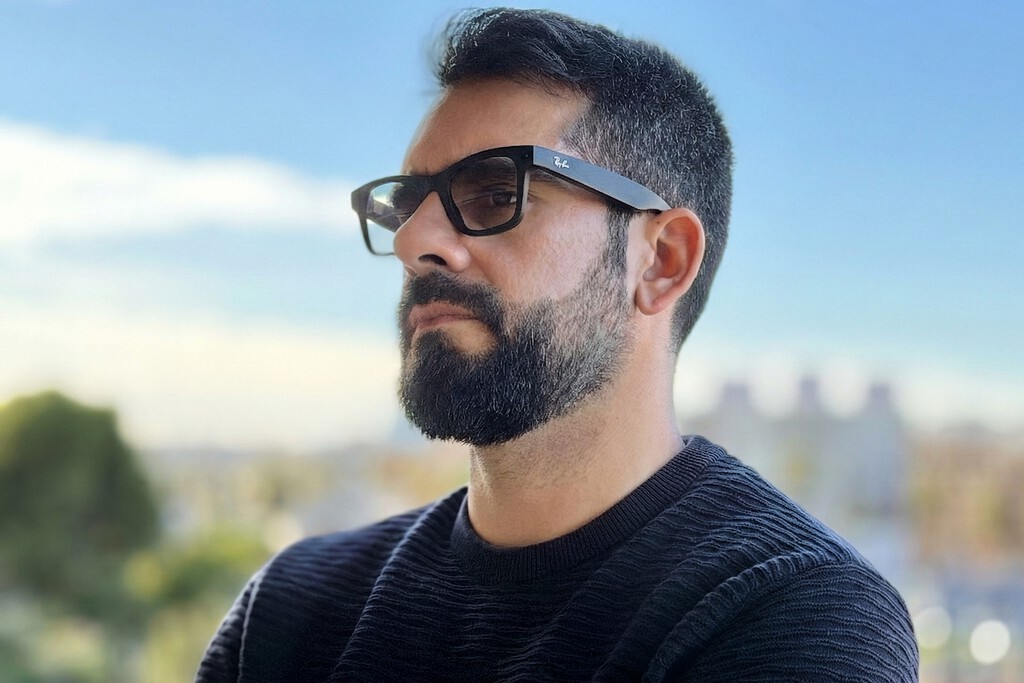
The Spanish Data Protection Agency has weighed in on the debate around smart glasses, stating that the small LED indicator that signals recording is not enough to protect privacy. The agency's comments come as devices like Meta's Ray-Ban glasses gain popularity and are expected to be adopted by more smartphone brands.
Find Original Home Decor sparking conversation at Grand Goldman Shop.

The AEPD's confirmation that using smart glasses is not inherently illegal is a relief for tech enthusiasts, but it shifts the focus to the user's responsibility. The agency emphasizes that the person recording is accountable for complying with data protection laws.
Why the Recording Light Falls Short
The LED indicator on smart glasses is designed to alert others that they are being recorded. However, it is tiny, requires people to be looking directly at it, and has been easily covered in the past. This makes it an unreliable privacy safeguard.
Moreover, the discreet nature of glasses means they can be worn without drawing attention, making it difficult for bystanders to notice the light or even the device itself. This ease of covert recording is at the heart of privacy concerns.
The Illusion of Transparency
While the light is meant to provide transparency, its effectiveness depends on the wearer's honesty and the observer's vigilance. In practice, many people may not notice the light, especially in crowded or low-light environments. This creates a false sense of security for those being recorded.
Who Is Responsible? The Wearer's Legal Obligations
According to the AEPD, the responsibility for lawful recording rests with the individual using the smart glasses. This means that users must ensure they are not violating others' privacy rights when capturing images or videos in public or private spaces.
In Spain, as in many European countries, data protection laws like the GDPR impose strict rules on processing personal data, including images. Recording someone without their consent can lead to legal consequences, especially if the content is shared or published.
- Legal use: Smart glasses are legal to own and use, but recording people without consent may breach privacy laws.
- Responsibility: The person recording is liable for any misuse of the captured data.
- Indicator limitations: The LED light is not a reliable privacy measure due to its size and ease of obstruction.
- Public vs. private: Recording in public spaces is generally allowed, but expectations of privacy still apply in certain contexts.
- Future regulation: As smart glasses become more common, stricter rules and enforcement may follow.
Smart Glasses vs. Smartphones: A Privacy Comparison
Smart glasses offer similar recording capabilities to smartphones but with greater convenience and discretion. The table below highlights key differences that impact privacy.
| Feature | Smart Glasses | Smartphones |
|---|---|---|
| Recording indicator | Small LED, easily missed or covered | Screen display, often obvious |
| Discretion | High; can be worn without suspicion | Moderate; holding a phone is noticeable |
| Ease of recording | Hands-free, first-person perspective | Requires holding and aiming |
| Social acceptance | Low; wearers often face unease | High; ubiquitous and normalized |
| Legal scrutiny | Increasing; AEPD and others weighing in | Established norms and regulations |
The Social Stigma: Wearers Face Unease
Even when not recording, smart glasses can make people uncomfortable. The author of the original report noted that wearing them, even turned off, elicited reticence from others. This social friction is a significant barrier to adoption and underscores the need for clear ethical guidelines. The longer history behind the story is traced in MouthPad: The Tongue-Controlled Touchpad for Assistive Tech.
As more brands enter the market, public awareness and sensitivity to being recorded will likely increase. Wearers must navigate this social landscape carefully to avoid conflict. The background to this story is set out in Meta Smart Glasses Without Camera: A Privacy Game Changer. A related thread runs through Smart Glasses Creepy? Why Kylie Jenner Endorses Them. Earlier coverage in Smart Glasses Ban in Westminster: Meta's Tech Sparks Debate shows how the argument developed.
What to Watch Next: Regulation and Enforcement
The AEPD's statement is a warning that legal frameworks are catching up with technology. In the future, we may see stricter regulations requiring more visible indicators or even consent mechanisms built into smart glasses. A closer look at the same subject appears in Smart Glasses: The Ultimate Tool for Celebrity Spotting. Anyone following the wider picture can start with Meta Smart Glasses Privacy Risks Demand Regulator Action. The same theme surfaces in Smart Glasses Face Blurring Mandate: Australia's Safety Call, which takes a different angle.
Manufacturers could also be held accountable for designing devices that prioritize privacy. For now, users should stay informed about local laws and act responsibly when using smart glasses. Context on how this played out before sits in Smart Glasses Ban in Public Offices: Albanese. A companion piece, Smart Glasses: Benefits for Disabled People Lost in Controversy, approaches the same subject from another angle.
FAQ
Are smart glasses illegal in Spain?
No, smart glasses are legal to own and use in Spain. However, the AEPD emphasizes that users must comply with data protection laws when recording, and the responsibility lies with the wearer.
Does the recording light on smart glasses guarantee privacy?
No, the LED indicator is small and can be easily overlooked or covered. It is not a reliable privacy safeguard, which is why the AEPD says it is insufficient.
Who is responsible if someone records me with smart glasses without consent?
The person recording is responsible. Under GDPR and local laws, recording someone without a legal basis can lead to fines or other penalties. The wearer must ensure they have consent or a legitimate reason.
Can I record in public with smart glasses?
Recording in public is generally allowed, but expectations of privacy still apply in certain situations. You should avoid recording individuals without consent, especially in private settings or where privacy is expected.
Browse the Shop
 Acacia frida deluxe solid wood bed frame |
Bedroom bench |
Bed chest drawers |
Lingerie dresser |
Frame base |
Mirror with jewelry storage |
30 Bathroom Vanity |
Memory foam queen mattress |
Mattresses for back pain |
Nightstand set of 2 |
Grand Goldman Shop |
Civil Lawyer
Deutschland Trikot WM 2026







